Marco Silva: The Visionary Portuguese Football Manager Transforming Modern Football
From Lisbon Youth Player to Premier League Strategist – The Journey of Marco Alexandre Saraiva da Silva

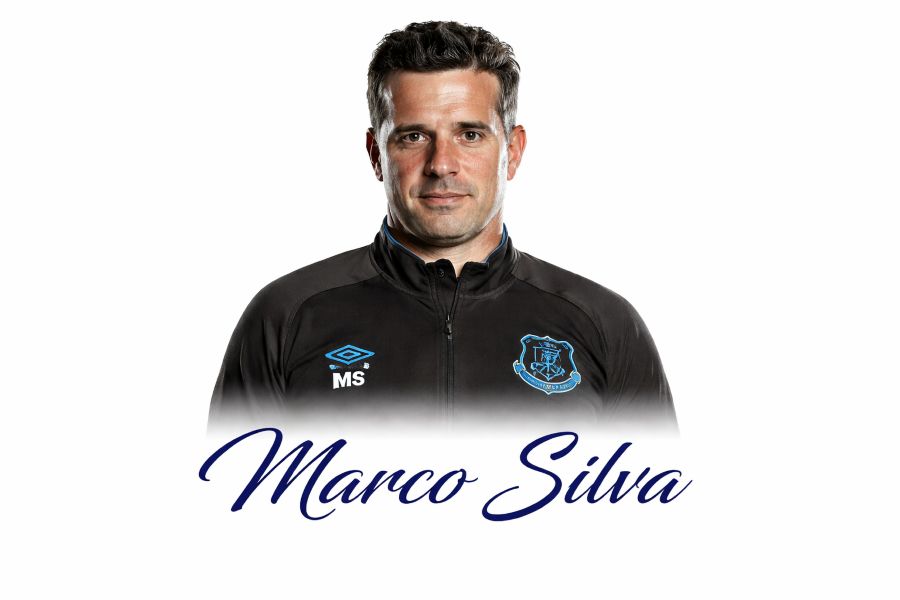
Table of Contents
ToggleIntroduction
Marco Silva, officially known as Marco Alexandre Saraiva da Silva, has risen to prominence as one of the most tactical and ambitious Portuguese football managers of his generation. With a career that spans youth-level football in Lisbon to managing Premier League sides, Silva’s journey reflects resilience, adaptability, and a passion for modern football. This article explores his early life, playing career, managerial achievements, and enduring legacy in European football.
Quick Bio
| Attribute | Detail |
|---|---|
| Full Name | Marco Alexandre Saraiva da Silva |
| Common Name | Marco Silva |
| Date of Birth | 12 July 1977 |
| Age | 48 (2026) |
| Birthplace | Lisbon, Portugal |
| Nationality | Portuguese |
| Height | 1.80 m (5 ft 11 in) |
| Playing Position | Right-back |
| Current Role | Manager of Fulham |
| Known For | Tactical leadership, Promotions, Premier League management |
Early Life and Youth Career
Marco Silva was born on 12 July 1977 in Lisbon, Portugal, and began his football journey at a young age. His dedication to the sport was evident during his years at Cova Piedade, where he honed the technical and tactical skills that would define his playing and coaching philosophy. Later, he moved to Belenenses’ youth academy, where exposure to structured professional training shaped his understanding of the game.
Growing up in Lisbon, Silva developed a keen footballing intelligence, blending creativity with discipline. His early life emphasized teamwork, resilience, and a commitment to excellence, values that would carry forward into his managerial career. This foundation laid the groundwork for Silva’s ability to lead teams effectively across different leagues and countries.
Playing Career: Building a Tactical Mind
Before becoming a manager, Silva played professionally as a right-back. His senior career included stints at clubs such as Belenenses, Trofense, Braga B, Salgueiros, and Estoril, where he accumulated over 287 professional appearances and scored four goals.
Although Silva did not achieve global fame as a player, his years on the pitch offered him firsthand experience of tactical systems, player psychology, and team dynamics. These experiences became instrumental when he transitioned to coaching, allowing him to relate to players and implement practical strategies in high-pressure matches.
Transition to Management
Marco Silva retired from playing in 2011 and immediately embarked on a managerial path, reflecting his deep understanding of the game. His first managerial role at Estoril was transformational; he led the club to promotion from Portugal’s Segunda Liga and achieved one of its best-ever finishes in the Primeira Liga.
Silva’s early managerial success demonstrated his tactical vision and leadership skills. His teams were recognized for organized defensive structures and proactive attacking play, characteristics that became hallmarks of his managerial style. The blend of discipline, creativity, and adaptability would define Silva’s approach for years to come.
Rise in European Football: Sporting CP and Olympiacos
In 2014, Silva was appointed manager of Sporting CP, one of Portugal’s most prestigious clubs. Here, he guided the team to Taça de Portugal (Portuguese Cup) victory in 2014–15, showcasing his ability to achieve results at the highest domestic level.
Following his success at Sporting CP, Silva joined Olympiacos in Greece in 2015. Under his leadership, Olympiacos secured the Super League Greece title in 2015–16, reinforcing his reputation as a manager capable of delivering trophies and commanding respect in European football circles. These achievements highlighted Silva’s strategic acumen and ability to motivate diverse squads.
Premier League Challenges: Hull City, Watford, and Everton
Silva’s managerial ambitions led him to the English Premier League. In 2017, he joined Hull City, facing the challenge of top-flight football in one of the most competitive leagues in the world. Despite strong efforts, Hull City was relegated, but Silva gained invaluable experience managing under pressure.
He then moved to Watford, where he navigated mid-season struggles and sought to stabilize the club. Later, at Everton, Silva managed high-profile matches and worked with elite players. Though results were mixed, his tactical approach, emphasis on team cohesion, and attacking philosophy impressed football analysts and fans alike.
Fulham: Leadership and Revival
In 2021, Marco Silva became manager of Fulham, tasked with returning the club to the Premier League. His leadership delivered immediate results, guiding Fulham to Championship victory and promotion in the 2021–22 season. Silva’s ability to organize the team, implement strategic plans, and cultivate a winning mentality underscored his growth as a top-tier manager.
At Fulham, Silva continues to develop young talent while balancing experience with tactical innovation. His tenure exemplifies the synthesis of ambition, strategy, and mentorship that defines his managerial philosophy.
Managerial Style and Philosophy
Marco Silva is recognized for his:
- Proactive tactical systems that blend defensive organization with attacking freedom.
- Player-centric management, focusing on individual development alongside team success.
- Adaptability, enabling him to adjust strategies across leagues and opponents.
Silva’s managerial philosophy emphasizes balance, discipline, and creativity, making him a respected figure in European football management.
Honours and Achievements
- Segunda Liga Champion (Estoril) – 2011–12
- Taça de Portugal (Sporting CP) – 2014–15
- Super League Greece (Olympiacos) – 2015–16
- EFL Championship (Fulham) – 2021–22
- Individual Awards: Segunda Liga Coach of the Year, multiple Premier League Manager of the Month awards
Legacy and Impact
Marco Silva’s journey from Lisbon youth academies to Premier League management exemplifies resilience, tactical intelligence, and leadership. He has consistently improved team performance, achieved promotions, and earned domestic league titles. Silva is regarded as one of Portugal’s most respected football managers, combining vision with practical coaching that inspires both players and fans.
His legacy lies not only in trophies but in shaping competitive, disciplined, and innovative teams capable of thriving at high levels of football.
Conclusion
Marco Silva’s career reflects the perfect blend of strategic vision, practical experience, and leadership excellence. From his formative years in Lisbon to managing top European clubs, Silva has proven that tactical intelligence, adaptability, and resilience can transform teams and define a successful managerial legacy. As Fulham’s current manager, he continues to influence modern football, demonstrating that ambition and careful planning yield lasting results in the sport.
FAQ – Marco Silva
Q1: What is Marco Silva’s full name?
A: Marco Alexandre Saraiva da Silva.
Q2: When and where was Marco Silva born?
A: He was born on 12 July 1977 in Lisbon, Portugal.
Q3: Which clubs did Marco Silva manage in the Premier League?
A: Hull City, Watford, Everton, and Fulham.
Q4: What is Marco Silva known for in football management?
A: Tactical organization, proactive attacking style, and player development.
Q5: Which trophy did Silva win with Sporting CP?
A: Taça de Portugal (Portuguese Cup) in 2014–15.
Q6: What achievement did he have at Olympiacos?
A: Won the Super League Greece title in 2015–16.
Q7: When did Marco Silva retire as a player?
A: He retired in 2011 at age 34.
Q8: What is his current managerial role?
A: Manager of Fulham in the Premier League.
Q9: What formation does Silva often use?
A: 4-2-3-1, emphasizing balance between attack and defense.
Q10: What is his key managerial philosophy?
A: Blending tactical discipline with attacking creativity and player development.
Q11: How is Marco Silva regarded in European football?
A: As a visionary Portuguese football manager capable of improving team performance and achieving promotions and titles.