George Alagiah: The Powerful Voice of Truth Who Redefined British Journalism
From conflict zones to the nation’s living rooms, a calm authority shaped by courage, empathy, and integrity

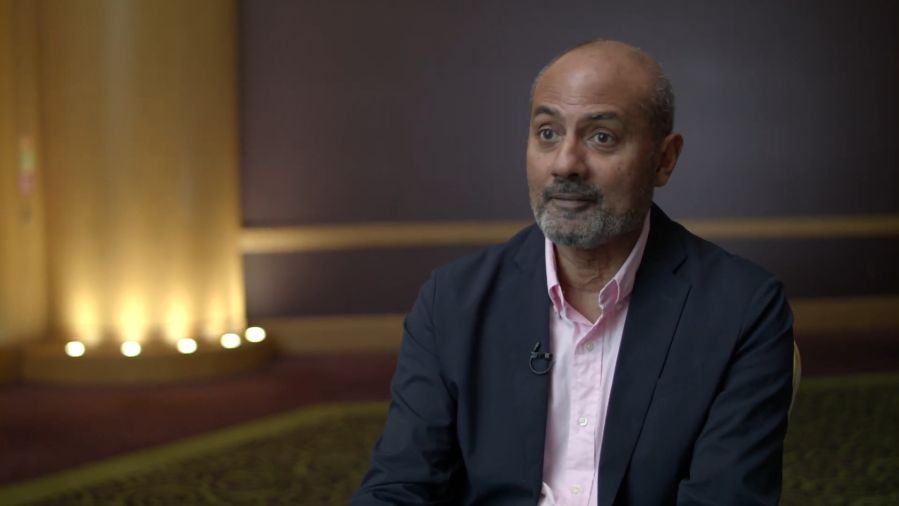
Table of Contents
ToggleIntroduction
George Alagiah was not just a familiar face on British television; he was a trusted voice during moments of global crisis and national reflection. As a British journalist and TV show host, his career spanned decades of frontline reporting and studio anchoring, marked by humanity, clarity, and intellectual depth. Known formally as George Maxwell Alagiah, he brought stories from the world’s most troubled regions to audiences with compassion rather than spectacle.
At the same time, his journey was not without struggle. From witnessing human suffering firsthand to publicly battling serious illness later in life, George Alagiah’s story is one of strength balanced with vulnerability. This combination of professional excellence and personal honesty made him one of the most respected broadcasters in modern British media.
Quick Bio
| Field | Details |
|---|---|
| Full Name | George Maxwell Alagiah |
| Known As | George Alagiah |
| Date of Birth | 22 November 1955 |
| Place of Birth | Colombo, Ceylon (now Sri Lanka) |
| Nationality | British |
| Ethnicity | Sri Lankan Tamil |
| Profession | Journalist, Newsreader, TV Presenter, Author |
| Years Active | 1980s – 2023 |
| Spouse | Frances Robathan |
| Children | Two sons |
| Date of Death | 24 July 2023 |
Early Life and Cultural Roots
George Alagiah was born in Colombo at a time when Sri Lanka was experiencing growing ethnic tensions. His early childhood was shaped by movement and adaptation, as his family later relocated to Ghana. This exposure to different cultures at a young age played a crucial role in shaping his worldview and empathy for displaced communities.
When he eventually moved to England for his education, he encountered a new social environment that further refined his sense of identity. These early experiences of migration, belonging, and difference later influenced his journalism, particularly his sensitivity when reporting on refugees, war victims, and marginalized populations.
Education and Intellectual Foundations
Alagiah’s academic journey reflected his curiosity about power, governance, and society. He attended school in England before enrolling at Durham University, where he studied Politics. During his university years, he was not a passive student; he actively engaged in debate, student leadership, and journalism.
Serving as editor of the student newspaper sharpened his writing and editorial judgment. These formative years laid the groundwork for a career defined not only by presentation skills but also by deep analytical thinking and ethical responsibility.
The Start of a Serious Journalism Career
Before appearing on television screens, George Alagiah built his reputation in print journalism. He worked for South Magazine, focusing on African affairs, where he developed expertise in international reporting. This period allowed him to refine his investigative skills and understand complex political realities beyond headlines.
His transition to broadcast journalism came when he joined the BBC in 1989. Unlike many presenters who begin in studios, Alagiah started on the ground, reporting directly from regions affected by war, famine, and political collapse. This foundation earned him credibility that stayed with him throughout his career.
Frontline Reporting and Moral Courage
As a BBC foreign correspondent, George Alagiah covered some of the most harrowing events of the late twentieth century. His reporting from Rwanda during the genocide and from Somalia during famine revealed not only the facts but the human cost of conflict. He was known for acknowledging the emotional impact such reporting had on him, a rare honesty that strengthened audience trust.
These experiences also exposed the darker side of journalism, including emotional exhaustion and ethical dilemmas. Rather than glorifying danger, Alagiah often spoke about the responsibility journalists carry when telling stories of suffering, reinforcing his reputation as a thoughtful and principled reporter.
Rise as a National News Presenter
After years in the field, Alagiah transitioned into studio presenting, bringing with him the authority of lived experience. He became closely associated with the BBC Six O’Clock News, where his calm delivery and measured tone reassured viewers during moments of uncertainty.
As a British journalist and TV show host, his presence symbolized reliability. He avoided sensationalism, focusing instead on context and clarity. This approach made him a trusted figure across generations and political divides.
Writing and Broader Contributions
Beyond broadcasting, George Maxwell Alagiah was also an accomplished writer. His books explored themes of identity, home, and belonging, reflecting his personal history and professional observations. His writing demonstrated the same reflective quality found in his journalism, offering readers insight into both global affairs and inner landscapes.
Through documentaries and public discussions, he also contributed to conversations about multicultural Britain. His work helped normalize diverse voices within mainstream media without reducing identity to a single narrative.
Personal Life and Public Strength
Despite his high-profile career, Alagiah maintained a private family life. He was married to Frances Robathan, whom he met during his university years, and together they raised two sons. Family remained a grounding force throughout his demanding career.
In 2014, he publicly revealed his diagnosis of bowel cancer. His openness about treatment and recovery challenged stigma around illness, especially among men. Even during periods of remission and relapse, he continued working when possible, demonstrating resilience without dramatizing his condition.
Final Years and Lasting Impact
As his health declined, George Alagiah gradually stepped back from regular broadcasting. His absence was deeply felt by audiences who had grown accustomed to his steady presence. When news of his death in July 2023 emerged, tributes highlighted not just his professional achievements but his kindness and humility.
His legacy endures in the standards he set for ethical journalism. He showed that authority does not require aggression, and that compassion can coexist with professionalism. For aspiring journalists, his career remains a benchmark of excellence.
Conclusion
George Alagiah’s life tells a powerful story of integrity in an age of noise. From his early years shaped by migration to his rise as a leading British journalist and TV show host, he consistently placed humanity at the center of storytelling. His strengths lay not only in what he reported, but in how he reported it.
At the same time, his journey reminds us that even the strongest public figures face private battles. By confronting them with honesty, George Maxwell Alagiah left behind a legacy defined by truth, dignity, and lasting influence.
Frequently Asked Questions
Who was George Alagiah?
George Alagiah was a British journalist, newsreader, and television presenter best known for his work with the BBC.
What made George Alagiah stand out as a journalist?
His combination of frontline reporting experience, ethical storytelling, and calm on-screen presence distinguished him from many of his peers.
Was George Alagiah also an author?
Yes, he wrote several books exploring identity, belonging, and global issues, complementing his journalism career.
How did George Alagiah influence British media?
He helped set higher standards for compassionate reporting and broadened representation within mainstream British journalism.
Why is George Alagiah still remembered today?
He is remembered for his integrity, humanity, and lasting contribution to journalism, making him a trusted voice in British public life.