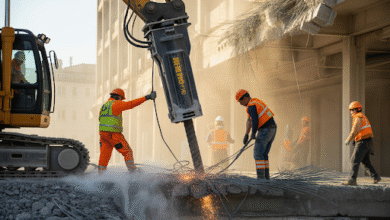
When the clouds gather and rain starts falling, you might want it to be a signal to slow down or even stop work. But for many of us in construction, the job doesn’t stop just because the weather takes a turn.
Instead, it’s about knowing how to handle the conditions properly to stay safe and keep things moving forward. Wet weather in the UK is a reality workers need to prepare for, especially in winter when it’s more unpredictable.
Investing in the right clothing
You can’t control the weather, but you can control what you wear to make it more manageable. When it comes to clothing, safety and comfort are essential. Start with a moisture-wicking base layer, which pulls sweat away from your skin and keeps you dry. Add a fleece layer for warmth, then top it off with a durable, water-resistant outer layer. You’ll stay dry without overheating.
Don’t forget about your feet – trade safety boots are a must for wet conditions, and you need them for most construction environments anyway. Sturdy, waterproof boots keep your feet dry but also help to prevent slips, which are more common when the ground is slippery.
Gloves and a warm hat might seem like a small addition, but they’re worth their weight in gold when it’s cold and wet. It’s certainly better to overprepare than under.
Preparing the site correctly
The site is your workplace, so it’s crucial to make sure it’s ready for the rain. Start by covering materials like cement or wood with tarpaulins to keep them dry and prevent damage. Without proper covering, moisture can affect the integrity of the materials, costing time and money.
Consider adding temporary drainage to divert rainwater and reduce the risk of flooding. A gravel path will help prevent mud from building up, and it’s easier for everyone to walk on.
And if wind is an issue, check that all scaffolding and temporary structures are stable and able to withstand it. If the weather turns severe, modular shelters can provide temporary protection for workers, keeping everyone safe from the elements.
Following safety protocols
Even if you’re properly dressed and the site is prepared, safety must always come first. Keep a close eye on the weather forecast to stay ahead of any changes. It might be safer to delay work if the conditions become too dangerous.
Take extra precautions with live wires or metal structures, as they’re more dangerous when wet. Wet surfaces make them conductive, increasing the risk of electrical hazards. If you’re working around trenches, remember that those deeper than a meter can be dangerous if not properly shored. Water in trenches can lead to cave-ins, so never take risks in these situations.
Keep communication open with your team, especially if the weather worsens, to make sure everyone knows when to stop or take shelter.
By preparing properly, you can minimise the risks that come with wet weather. Dress the right way, get your site ready and follow your safety protocols. Keeping these steps in mind should help to keep you safe and make sure your projects stay on track, no matter what the weather throws at you.