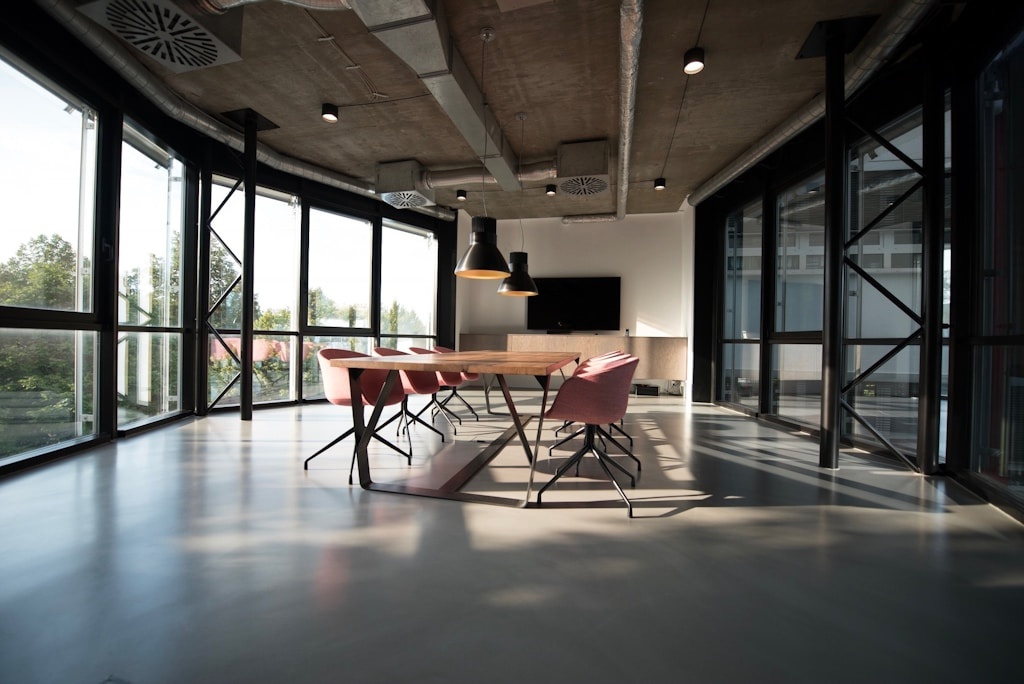
As we look towards 2026, the landscape of work continues to evolve, driven by the hybrid work model that has become a staple in many industries. This shift towards flexible schedules, where employees split their time between home and office, has prompted a significant transformation in office design. Companies are reimagining their workspaces to better accommodate the needs of a workforce that values flexibility, collaboration, and focus. This article explores the latest trends in office interior design, highlighting how businesses are adapting their environments to support hybrid work. From innovative layouts to versatile furniture solutions, the modern office is being reshaped to enhance productivity and employee satisfaction.
Trends in Office Interior Design for Hybrid Work
The hybrid work model has led to a rethinking of traditional office layouts. One of the most prominent trends is the adoption of hot-desking layouts. This approach allows employees to choose their workspace on a daily basis, promoting flexibility and efficient use of space. Hot-desking reduces the need for assigned desks, which can be underutilized when employees are working remotely part of the time.
In addition to hot-desking, companies are creating dedicated collaboration zones. These areas are designed to facilitate teamwork and creativity, equipped with technology that supports virtual meetings and brainstorming sessions. Collaboration zones often feature comfortable seating arrangements and writable surfaces, encouraging spontaneous idea sharing and problem-solving.
Another important aspect of modern office design is the inclusion of quiet focus areas. These spaces provide employees with a distraction-free environment where they can concentrate on individual tasks. Acoustic panels, soundproofing, and ergonomic furniture are commonly used to enhance the functionality of these areas, ensuring that employees can work efficiently without interruptions.
Rethinking Floor Plans for a Flexible Workforce
As companies embrace hybrid work, they are rethinking their floor plans to better accommodate a workforce that splits time between home and office. This involves creating adaptable spaces that can be easily reconfigured to meet changing needs. Modular furniture and movable partitions are popular choices, allowing businesses to transform their office layouts without incurring major renovation costs.
One innovative solution is the use of breakout office furniture. These versatile pieces can be rearranged to create different configurations, supporting both collaborative and individual work. Breakout furniture is designed to be multifunctional, providing seating, storage, and work surfaces in a single unit. This flexibility is crucial for companies looking to maximize their office space while accommodating a dynamic workforce.
In addition to furniture, technology plays a key role in supporting flexible work environments. Smart office systems, including adjustable lighting and climate control, allow employees to personalize their workspace to suit their preferences. This level of customization enhances comfort and productivity, making the office a more attractive place to work.
Furniture Choices Supporting Flexibility and Reconfiguration
Furniture is a critical component of office design, especially in a hybrid work environment. Companies are investing in pieces that offer flexibility and can be easily reconfigured. This approach minimizes the need for costly renovations while ensuring that the office remains functional and inviting.
One popular option is modular furniture, which can be rearranged to suit different needs. For example, modular desks and tables can be combined to create larger workstations or separated for individual use. This adaptability is essential for companies that need to accommodate varying team sizes and work styles.
Another trend is the use of ergonomic furniture, which supports employee health and well-being. Adjustable chairs and desks allow employees to customize their workstations to their comfort, reducing the risk of strain and injury. Ergonomic furniture is particularly important in a hybrid work model, where employees may spend long hours at their desks.
For companies looking to enhance their office design, breakout office furniture offers a range of solutions. These pieces are designed to be versatile and stylish, making them an ideal choice for modern workspaces. By investing in high-quality furniture, businesses can create an environment that supports productivity and employee satisfaction.
For more information on innovative office furniture solutions, visit https://2020furnituredesign.co.uk/.