Winter in the UK is tough on gardens. Long wet spells, leaf fall, and limited sunlight can turn natural lawns into mud, and even paved areas can get slippery. Artificial turf makes winter much easier, but it still needs a little seasonal care to keep it draining well, looking fresh, and feeling safe underfoot.
Whether you are planning artificial grass london for a small city garden, comparing artificial grass manchester options for a family home, or already have turf down and want it to last, the winter routines below will protect your investment and keep your garden usable all season.
Why winter care matters for artificial turf
Artificial grass is designed to drain through its backing into the base underneath. Most winter problems happen when that system is blocked or when moisture sits on the surface for too long. The main risks are:
- Leaves and debris forming a damp layer that slows drainage
- Fine grit and soil building up in the pile
- Algae in shaded or poorly ventilated areas
- Flattened fibres from frequent wet foot traffic
The good news is that you do not need complicated tools. A simple weekly routine prevents most issues and keeps your turf looking tidy through the worst months.
1) Keep the surface clear so drainage stays open
If you only do one thing in winter, make it this. Wet leaves can create a thin mat across the turf, and that traps moisture. When moisture lingers, the turf feels damp, can look darker, and becomes more prone to algae.
What to do:
- Remove leaves weekly during heavy leaf fall
- Pick up twigs and garden waste after wind and rain
- Sweep away grit and soil tracked in from paths
Use a stiff broom or a plastic rake. Avoid metal rakes because they can snag fibres and pull them loose. In smaller areas, such as many artificial grass london gardens, keeping the surface clear makes an immediate difference because the space dries more slowly due to shade and nearby walls.
2) Brush the pile to prevent flattening
Winter is when turf fibres flatten most. The surface stays damp, people walk across it more often, and the pile can start to lie down in high traffic zones. Brushing lifts the fibres and keeps the turf looking fuller and more natural.
A good brushing routine:
- Brush against the grain using a stiff outdoor broom
- Focus on entrances, paths, seating areas, and play zones
- Brush after long wet periods or weekends with lots of foot traffic
This step is especially helpful for households that choose fake grass manchester to avoid muddy lawns for kids and pets. Brushing keeps those busy areas looking neat even when the weather is not cooperating.
3) Frost: let it thaw naturally
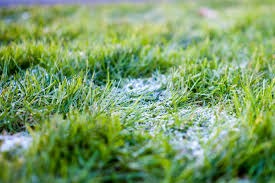
Frost is normal and good quality turf handles it well, but how you respond matters. The safest approach is to let frost thaw naturally and reduce heavy foot traffic while it is frozen, especially on longer pile turf.
Do:
- Let frost thaw on its own
- Keep foot traffic light during heavy frost
Avoid:
- Pouring boiling water on the turf
- Scraping ice with sharp tools
- Heavy de-icing salts across the whole surface
If you need traction in a small walkway area, a tiny amount of ordinary table salt can help, but use it sparingly and rinse once conditions improve.
4) Snow: remove gently or leave it to melt
Snow does not damage artificial grass on its own. Problems usually come from aggressive removal that scrapes into the pile.
If you want to clear snow:
- Use a plastic shovel
- Lift the snow gently rather than scraping
- Leave a thin layer behind instead of digging down to the backing
For light snow, letting it melt naturally is often easiest. As long as the base is properly prepared, the meltwater will drain through.
5) Prevent algae in damp shade
Algae is one of the most common winter complaints in UK gardens, especially in shaded corners near fences, walls, or thick planting. You might notice a darker patch or a slightly slippery feel.
Prevention is straightforward:
- Clear leaves so moisture is not trapped
- Brush to improve airflow through the fibres
- Trim back overhanging plants that block light and hold dampness
If algae appears, use a turf-safe cleaner made for artificial grass, then rinse well. Avoid harsh bleach mixes, especially if you have pets or nearby planting beds.
6) Pet-friendly winter cleaning to keep turf fresh
If you have dogs, winter can make smells linger longer because the turf stays damp and drying time is slow. A consistent, simple routine prevents most odour issues.
Best practice:
- Pick up solids quickly
- Rinse urine areas with water when possible
- Use an enzyme cleaner designed for pet turf as needed
Many families choose artificial grass manchester installations specifically to reduce muddy paw prints and keep the home cleaner in winter. This quick routine keeps that benefit strong all season.
7) Stop muddy edges from ruining the clean look
Artificial turf stays cleaner than natural grass, but mud can still build up at the edges where soil borders meet the turf. That muddy strip is often what gets tracked into the house, and it can make the turf look dirtier than it really is.
What helps:
- Sweep mud off early before it works into the pile
- Keep edging secure so soil does not spill onto the turf
- Consider a narrow gravel or paving strip near doors to reduce mud transfer
Secure edging also keeps the turf tight and neat over time, especially after months of wet weather.
8) Check gutters and drainage around the home
Sometimes turf gets blamed for puddles when the real issue is roof runoff. In winter, blocked gutters and downpipes can overflow and dump water directly into the garden, creating a constant wet patch.
Quick checks:
- Clear gutters and downpipes
- Ensure roof runoff is not pouring onto the turf
- Check garden drains for blockages
If you are doing a new install, make sure the base depth and drainage plan are part of the quote. A proper foundation is what makes artificial grass installation leeds and other wet-region installs perform well through winter.
9) Move heavy items occasionally
Planters, furniture, and kids’ equipment often sit in one place for months in winter. That constant pressure can flatten the pile and leave visible impressions.
To avoid it:
- Shift heavy items slightly every few weeks if possible
- Use protective pads under chair and table legs
- Brush the area after moving items to lift the fibres
This is a simple habit, but it keeps the turf looking consistent across the whole garden.
10) When a deeper clean is worth it
Most homeowners do not need professional cleaning every winter. But a deep clean can help if you notice:
- Persistent algae patches that keep returning
- Compacted fibres that brushing does not lift
- Fine debris build-up affecting drainage
A proper refresh can restore the look and feel after a particularly wet season, especially in high-traffic homes with pets.
Final thoughts
Winter care for artificial grass is mostly small, regular habits. Keep the surface clear for drainage, brush the pile to prevent flattening, manage algae early in shaded areas, and follow a simple pet-cleaning routine. Do those things and your turf will stay cleaner, safer, and ready to enjoy even during the wettest UK months.