You’ve probably walked past countless trees without giving them a second thought. They’re just there, aren’t they? Quietly photosynthesising, providing shade, and generally doing tree things.
But behind those sturdy trunks and leafy canopies, there’s an entire industry evolving. Tree surgeons across the UK are changing how they work, what they prioritise, and how they approach caring for our arboreal friends.
In this guide, we’ll explore the shifts happening in tree surgery, from cutting-edge safety measures to eco-friendly practices that are reshaping the industry. Let’s see what’s really happening up in those branches.
Advanced Safety Equipment Is Now Standard
Remember when tree surgeons would scramble up trees using minimal equipment and far fewer safety controls? Those days are long gone.
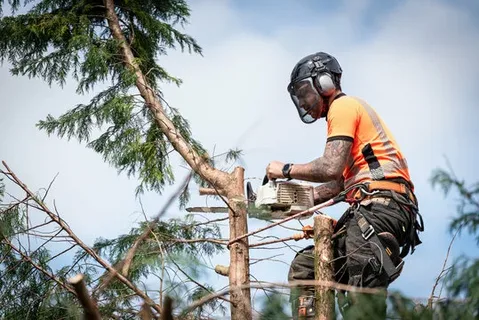
Modern tree surgeons in the UK now use harnesses that would make mountain climbers jealous. We’re talking reinforced climbing systems, shock-absorbing lanyards, and helmets with built-in communication devices.
The Health and Safety Executive has tightened regulations significantly over the past decade. Every piece of equipment must meet rigorous standards, and tree surgeons undergo regular training updates to stay current.
This isn’t just box-ticking either. The number of serious accidents has dropped since these measures became commonplace.
Risk Assessment Has Become More Sophisticated
Gone are the days of eyeballing a tree and hoping for the best.
Today’s tree surgeons conduct thorough risk assessments before touching a single branch. They’re examining everything from soil conditions to nearby power lines, from hidden decay to potential wildlife habitats.
Many professionals now use specialised tools like resistograph drills that measure internal wood density. These devices can detect hollow sections or rot that isn’t visible from the outside.
In urban areas across the UK, this level of assessment is crucial. One dodgy branch near a school playground or busy road could spell disaster.
Eco-Friendly Practices Are Taking Centre Stage
Sustainability isn’t just a buzzword anymore—it’s becoming central to how tree surgeons operate throughout the UK.
Rather than automatically removing problem trees, modern arborists look for ways to preserve them. Crown reduction, selective pruning, and disease management can often save a tree that would have been felled years ago.
When removal is unavoidable, nothing goes to waste. Wood gets chipped for mulch, larger sections become timber, and even diseased material is often composted properly rather than sent to a landfill.
Many tree surgeons now refuse to use harmful pesticides, opting instead for biological controls and integrated pest management. Native species are prioritised for new plantings, supporting local ecosystems and wildlife.
Electric equipment is gradually replacing petrol-powered tools, too. Battery technology has improved so much that electric chainsaws now handle many routine tasks without the noise, fumes, or environmental impact of traditional models.
The industry is finally acknowledging that looking after trees means looking after the whole environment.
Technology Is Transforming Tree Care
Tree surgery is becoming increasingly high-tech, with impressive new tools reshaping how risks and tree health are assessed.
Larger firms and local authorities increasingly use drones to inspect tall or hazardous trees without anyone needing to climb. They can spot issues with upper canopy branches that would be risky to reach, capturing detailed images that reveal hidden problems.
Software programmes help tree surgeons track the health of entire tree populations. Additionally, councils and large estates use these systems to schedule maintenance and manage resources efficiently across the UK.
GPS mapping and digital record-keeping mean every tree can have a complete history. Previous work, health issues, and growth patterns are all documented, making future care decisions more informed.
Training Standards Have Been Raised Significantly
You can’t just buy a chainsaw and call yourself a tree surgeon anymore—well, you can, but nobody should hire you.
Professional qualifications like NPTC (National Proficiency Tests Council) certificates are now expected as standard across the UK. These aren’t weekend courses either; they involve extensive practical training and rigorous assessments.
Many tree surgeons pursue additional qualifications in arboriculture, ecology, and even soil science. The Arboricultural Association offers professional development programmes that keep practitioners updated on the latest techniques and regulations.
Insurance requirements have tightened, too, meaning only properly qualified professionals can get adequate coverage. This protects both the tree surgeons and their clients from potential disasters.
Continuing professional development is increasingly common, with experienced tree surgeons attending workshops and conferences to stay ahead of industry changes.
The days of cowboys with chainsaws are fading, replaced by knowledgeable professionals who understand trees as living systems rather than just obstacles to be removed.
Community Engagement Is Growing in Importance
Tree surgeons aren’t working in isolation anymore. They’re becoming part of community conversations about green spaces throughout the UK.
Many professionals now consult with local residents before major tree work, explaining why it’s necessary and what the outcomes will be. This transparency helps prevent the angry phone calls that used to follow every tree removal.
Educational programmes are becoming common too. Tree surgeons visit schools, run workshops, and even host community planting days.
Urban forestry initiatives across UK cities are bringing together tree surgeons, councils, and community groups to plan long-term canopy strategies. This collaborative approach means better outcomes for trees, communities, and the environment.
Climate Adaptation Is Shaping Future Planning
British weather has always been unpredictable, but climate change is making tree care considerably more complex.
Tree surgeons across the UK are now factoring in increased storm frequency, longer droughts, and unexpected temperature swings. Traditional species that thrived for centuries are struggling, while new pests and diseases are arriving from warmer climates.
Forward-thinking professionals are recommending climate-resilient species for new plantings. They’re also developing adaptive management strategies for existing trees, helping them cope with changing conditions.
Storm preparation has become a year-round concern rather than a seasonal one. There’s also growing emphasis on urban heat island effects—strategically placed trees can significantly cool UK cities during increasingly hot summers.
The industry is evolving from reactive maintenance to proactive climate adaptation. It’s about time we started thinking ahead.
Conclusion
Well done for making it through this branchy journey into modern tree surgery!
The evolution happening across the UK’s tree care industry is genuinely exciting. What was once a somewhat rough-and-ready trade has transformed into a sophisticated profession that balances safety, sustainability, and technological innovation.
Now go outside and appreciate a tree. They’ve got a whole team of dedicated professionals looking after them, and that’s rather wonderful.