The way we work has undergone a rapid transformation in recent years, prompting a significant rethink of traditional office environments. As hybrid models, wellbeing, and company culture take centre stage, businesses are reimagining their workspaces to better align with employee expectations and operational needs.
Today’s office isn’t simply a place to clock in—it’s a hub for collaboration, innovation, and identity.
Designing for Flexibility and Function
Rigid, single-use office layouts are quickly becoming outdated. In their place, companies are prioritising adaptable environments that can respond to changing demands. Multi-use zones, modular furniture, and partitioned breakout areas all contribute to a space that supports various working styles—whether focused individual work, informal meetings, or team collaboration.
With hybrid working now a staple across many UK industries, offices need to support both in-person and remote engagement. This has led to a surge in demand for technology-integrated spaces—think video conferencing pods, mobile workstations, and quiet zones that help bridge the gap between digital and physical work.
Adaptability also extends to the long-term usability of a space. By designing with reconfiguration in mind, businesses can avoid costly refurbishments down the line. Multi-functional workspaces offer practical value, making it easier for companies to scale, restructure, or accommodate new workflows without major disruption.
Sustainability in Office Fit-Outs
Environmental responsibility is no longer a bonus—it’s a baseline expectation. From sourcing materials with low environmental impact to improving energy efficiency, office fit-outs are increasingly being shaped by sustainability goals.
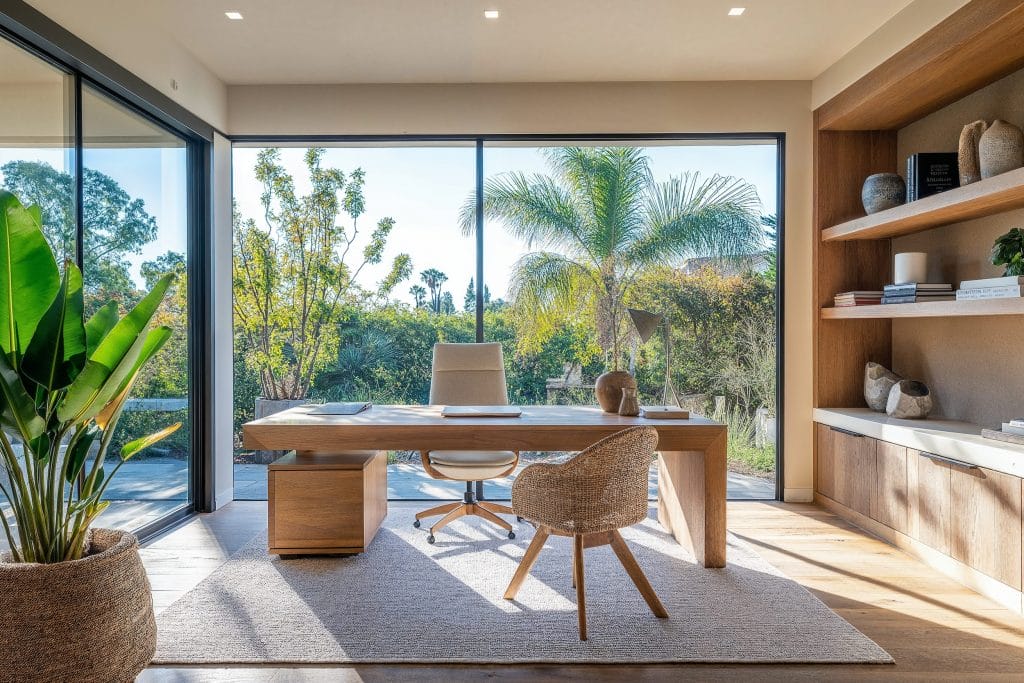
One noticeable trend is the use of reclaimed, recycled, or low-emission materials in construction and furniture. Not only does this reduce a project’s carbon footprint, but it also adds character to the final design. Additionally, energy-efficient lighting, intelligent HVAC systems, and access to natural light are being prioritised to reduce operational costs and improve the indoor environment.
Workplace wellbeing also ties into sustainable design. Features like indoor plants, air purification systems, and noise-reducing elements contribute to healthier spaces that promote concentration and comfort. Businesses are starting to see these features not just as aesthetic choices but as investments in productivity and staff retention.
Those seeking professional office design and build services are often influenced by these principles, where a forward-thinking approach helps align physical spaces with both environmental targets and employee wellbeing.
Incorporating Brand Identity into Physical Spaces
A company’s workspace can be one of its most powerful branding tools. From the choice of colours and materials to layout and signage, every element of design can be used to communicate company values.
Brand-driven design can reinforce internal culture while also shaping the way external visitors perceive the business. For example, a tech start-up might opt for an open-plan design with informal meeting spaces and playful colour schemes to convey agility and creativity. In contrast, a consultancy firm may prioritise calm, structured layouts to reflect professionalism and reliability.
This visual and spatial consistency builds trust and a sense of identity across teams. When employees feel that their working environment reflects their company’s ethos, it can boost engagement, morale, and loyalty. For new recruits, it helps embed culture from day one—offering subtle cues about how people interact, collaborate, and approach their work.
Today’s office design is about more than layout—it’s a response to evolving business models, environmental priorities, and cultural values. Adaptable layouts meet the needs of diverse teams. Eco-conscious choices contribute to long-term savings and workplace health. Meanwhile, integrating brand identity into the physical space supports cohesion and professional image.
For UK businesses looking to improve productivity, attract talent, and stay competitive, thoughtful office design is not a luxury—it’s a strategic decision that shapes the way people work and interact every day.