Aging in Canada is usually accompanied by a deep desire to stay in a comfortable household setting. But, with that desire, practical issues start to arise. Slippery winters, remote living conditions, and slow reaction to crises in some regions can transform small accidents into emergency cases.
Consequently, numerous older adults tend to restrain their autonomy not out of choice, but out of necessity. However, every day, life does not need to become limited with the appropriate safety support. Medical alert systems provide a solution to strike a balance between independence and security.
This article describes how these systems enable seniors in Canada to live with confidence without being vulnerable.
1. Immediate Access to Emergency Support
In Canada, where weather conditions and distances may influence emergency response time, prompt access to help becomes critical. Any delay in responding to a fall or a medical event can pose a major risk.
Using life alert in Canada, the elderly are empowered to communicate with emergency services in real time. They are connected to a monitoring center that can evaluate the situation and send help at the press of a button.
Additionally, automatic fall detection is now present in many systems. This is especially useful in cases when an individual might be unconscious or inaccessible to ask for help.
Due to this, the elderly no longer have to depend exclusively on the people around them or on telephones. Rather, assistance becomes timely and regular, irrespective of circumstances.
2. Make Aging in Place Safer Across Canadian Homes
Aging in place is also a popular option among many elderly people in Canada. Regardless of the place of residence, be it urban apartments or suburban houses, familiarity is a central element in emotional well-being.
This choice is, however, frequently challenged by safety concerns. Staying alone may lead to the exposure of unattended emergencies, particularly in areas where the neighbors or family are not necessarily near.
Medical alert systems fill this missing gap. They enable the seniors to stay at home without interfering with safety, as they offer round-the-clock access to help.
Simultaneously, these systems decrease the necessity of supervision. The elderly are able to retain their autonomy, and families are assured that they can seek assistance anytime.
As a result, aging in place becomes a risk-free and viable long-term solution.
3. Enable Safe Mobility Beyond Home
The geography of Canada stimulates outdoor activities, such as walking in the local parks, attending community centers, or running errands. Nevertheless, there are other risks involved with mobility beyond the residence.
The weather conditions, particularly in winter seasons, can elevate the chances of slips and falls. In these situations, access to assistance in a short period becomes paramount.
Advanced medical alarms with GPS positioning are not limited to indoor areas. These gadgets enable the elderly to remain connected at all times and places.
Indicatively, when an emergency arises outdoors, the responders may locate the person within a short time through GPS information. This removes delays due to a lack of clear instructions or a lack of familiarity.
Consequently, the elderly find it easier to remain active. Instead of avoiding outdoor activities due to fear, they can continue engaging with their communities confidently.
4. Design for Simplicity and Everyday Use
When systems are too complex, technology adoption may become difficult. Ease of use is not merely a preference among the seniors, but a need.
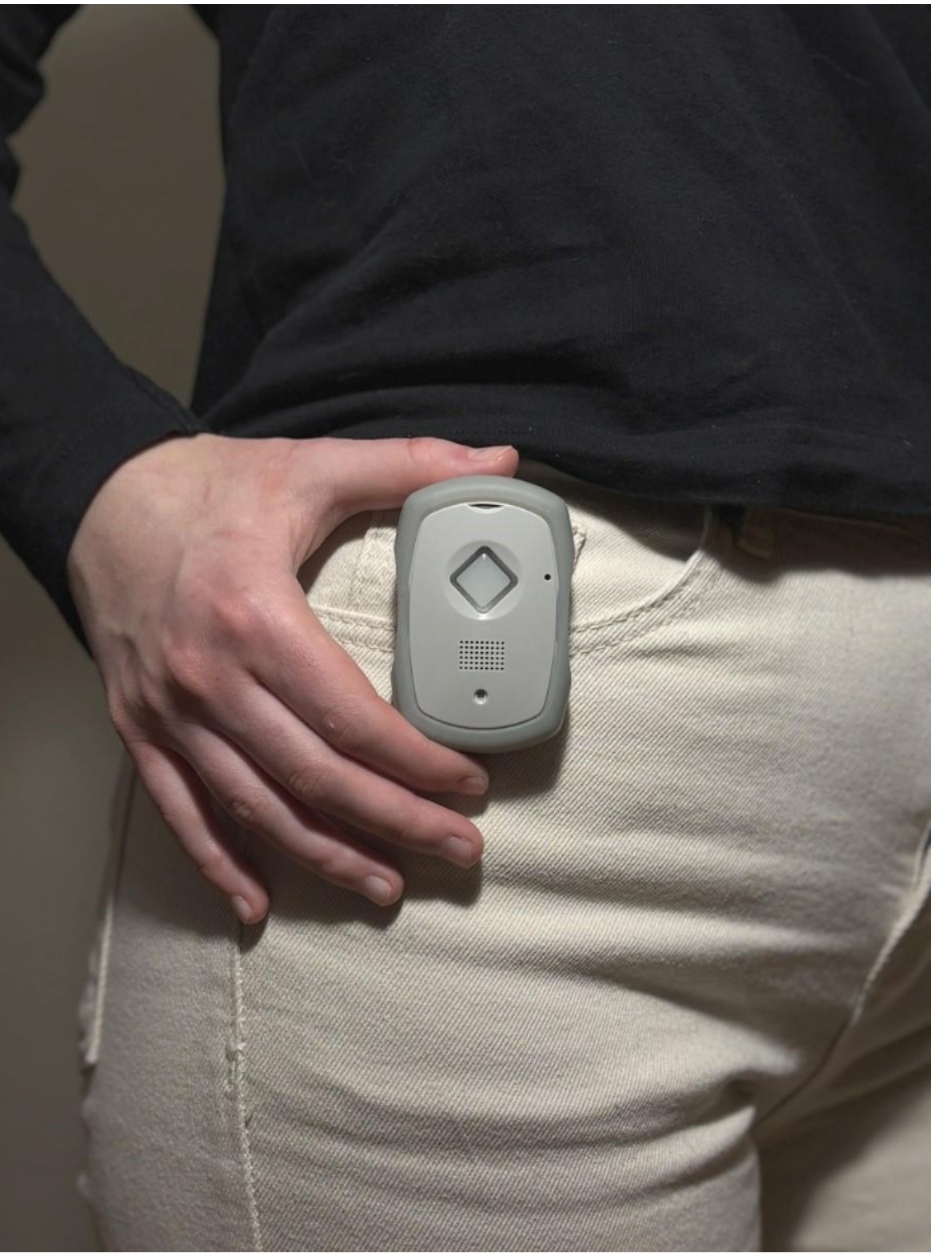
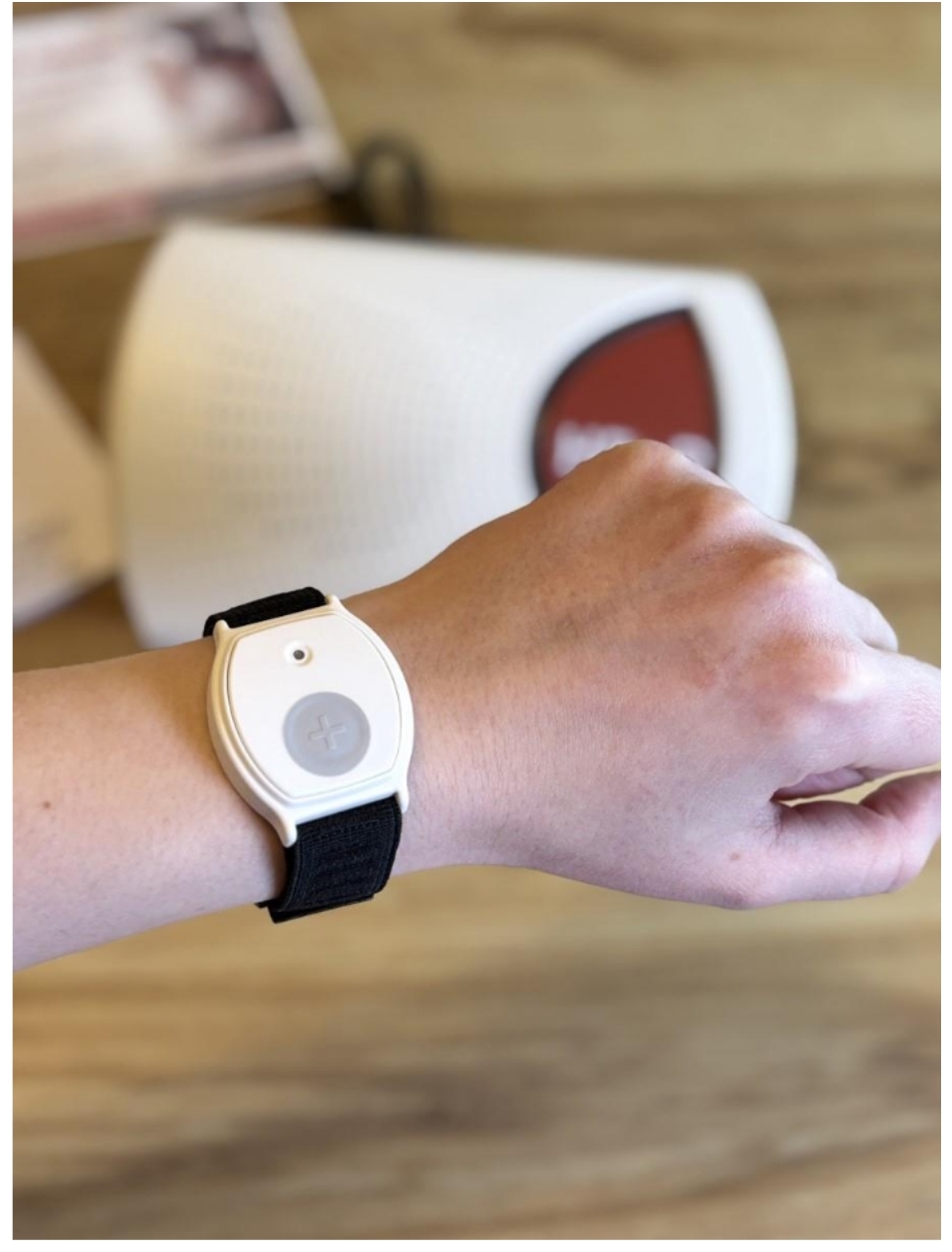
Medical alert systems are user-friendly. The majority of the equipment has a single-button system, meaning that help is accessible without any confusion.
Moreover, wearable designs like pendants or wristbands make the gadgets easy to carry around during the day. Most of them are also water-resistant, and this is especially handy in places such as the bathroom where accidents are most likely to occur.
Due to these user-friendly features, the elderly are able to trust the system at all times. It has no learning curve that discourages use and no complex procedure when dealing with emergencies.
This simplicity makes sure that the technology is able to fulfill its intended use when it is required the most.
5. Reduce Stress for Families Across Distances
In Canada, families often live in different cities or provinces due to work and lifestyle factors. While this creates opportunities, it can also lead to concerns about the safety of aging parents or relatives living alone.
Medical alert systems help bridge this distance. They provide a reliable safety net that operates independently of physical proximity.
As a result, family members do not need to rely solely on frequent calls or visits to ensure safety. Instead, they can trust that professional assistance is always available when required.
This shift reduces emotional stress for families while preserving the independence of seniors. Communication becomes more meaningful, rather than being driven by concern or urgency.
Over time, this balance strengthens relationships and improves overall peace of mind.
Conclusion
Maintaining independence while ensuring safety is one of the most important challenges seniors face. In Canada, where environmental and geographical factors add complexity, having a reliable support system becomes even more essential.
Medical alert systems offer a practical solution by combining immediate access to help, ease of use, and dependable performance. They allow seniors to continue living in their own homes, stay active in their communities, and navigate daily life with confidence.
More importantly, these systems shift the focus from limitation to empowerment. Seniors are no longer defined by potential risks but supported by solutions that enable freedom.
Ultimately, medical alert systems do more than respond to emergencies—they create a foundation for safer, more independent living across Canada.