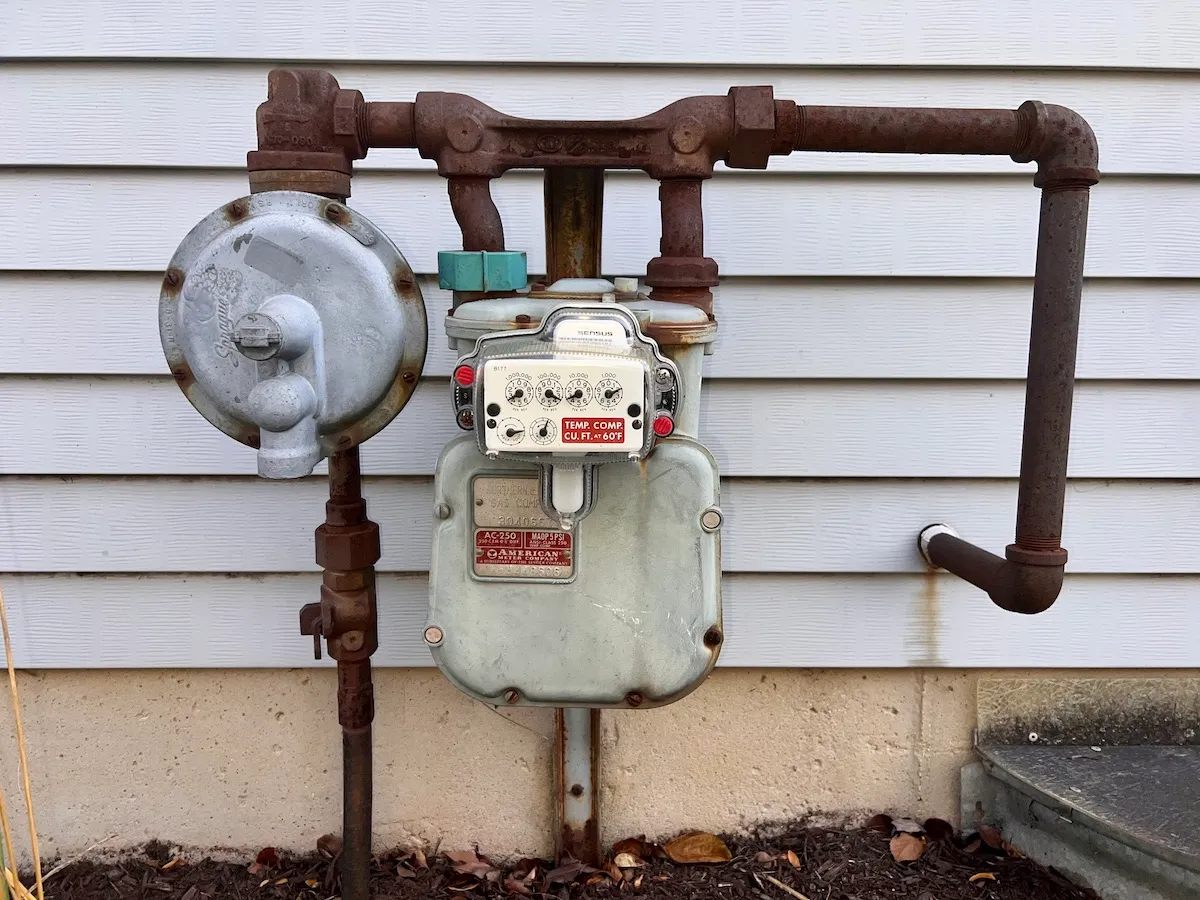
Every homeowner should have a solid understanding of house plumbing and essential safety procedures like knowing how to turn off gas to your house. Whether you’ve just moved into your first home or you’ve been a homeowner for decades, these are fundamental skills that can save you money, prevent disasters, and keep your family safe. In this comprehensive guide, we’ll walk you through everything you need to know.
What Is House Plumbing and Why Does It Matter?
House plumbing refers to the entire network of pipes, fixtures, valves, and appliances that manage the flow of water and gas throughout your home. This system is responsible for delivering clean water to your taps, removing wastewater through drains, and in many homes, distributing natural gas to appliances like boilers, stoves, and water heaters.
A well-maintained plumbing system is the backbone of a comfortable home. When something goes wrong — a burst pipe, a gas leak, or a blocked drain — the consequences can range from a minor inconvenience to a serious safety hazard. That’s why understanding the basics of your house plumbing is not just helpful; it’s essential.
The Key Components of House Plumbing
To truly understand your home’s plumbing, you need to familiarize yourself with its main components:
- Water Supply System
Your water supply system brings fresh, clean water into your home from either a municipal source or a private well. This water travels through a main supply line and is then distributed to individual fixtures like sinks, showers, toilets, and appliances such as washing machines and dishwashers. The main water shut-off valve is typically located near the point where the supply line enters your house.
- Drainage System
Once water has been used, it needs to leave your home. The drainage system, also known as the DWV (Drain-Waste-Vent) system, carries wastewater away from your fixtures and out to the sewer line or septic tank. Vent pipes allow air into the drainage system to keep water flowing smoothly and prevent unpleasant odors from backing up into your home.
- Gas Supply System
Many homes rely on natural gas to power central heating, hot water systems, and cooking appliances. The gas supply enters your home through a main gas line and is distributed to individual appliances via smaller branch lines. Understanding this part of your house plumbing is critical for safety reasons.
- Fixtures and Appliances
These are the endpoints of your plumbing system — the sinks, toilets, bathtubs, boilers, and radiators that you interact with daily. Each fixture typically has its own isolation valve, allowing you to shut off water or gas to that specific unit without affecting the rest of the house.
How to Turn Off Gas to Your House: A Step-by-Step Guide
Knowing how to turn off gas to your house is one of the most important safety skills a homeowner can possess. Whether you smell gas, suspect a leak, or need to shut it off before performing maintenance, here’s exactly what to do:
Step 1: Recognize the Warning Signs
Before anything else, learn to recognize the signs of a gas leak. These include a strong sulfur or rotten-egg smell, a hissing or whistling sound near a gas line, dead or dying vegetation near a gas pipe outside, and physical symptoms like dizziness, nausea, or headaches.
Step 2: Locate Your Gas Meter
Your gas meter is usually located on the exterior of your home, often on a side wall or near the front of the property. In some cases, it may be housed in a meter box at the boundary of your property.
Step 3: Find the Emergency Control Valve (ECV)
The Emergency Control Valve is the main shut-off point for gas entering your house. It is typically a lever or handle located on the pipe that connects to your gas meter. In the UK, this valve is usually next to or on top of the meter itself.
Step 4: Turn the Valve to the Off Position
To shut off the gas, turn the lever so that it sits perpendicular (at a right angle) to the pipe. When the handle is parallel to the pipe, gas is flowing. When it is perpendicular, the gas supply is cut off. You should be able to turn this by hand, but if it’s stiff, use an adjustable wrench.
Step 5: Ventilate Your Home
After turning off the gas, open windows and doors to allow any accumulated gas to disperse. Do not turn on or off any electrical switches, light matches, or use your phone inside the property, as even a small spark can ignite gas.
Step 6: Call a Professional
Once the gas is safely turned off, contact a Gas Safe registered engineer (in the UK) or your local gas emergency number immediately. Never attempt to repair a gas leak yourself. This is a job strictly for certified professionals.
Common House Plumbing Problems and How to Prevent Them
Understanding your house plumbing also means knowing what can go wrong and how to prevent it. Here are some of the most common issues homeowners face:
- Dripping Taps: Usually caused by worn-out washers or seals. Fixing them early saves water and money.
- Blocked Drains: Hair, grease, and food debris are the most common culprits. Use drain guards and avoid pouring oil down the sink.
- Low Water Pressure: This can be caused by pipe corrosion, leaks, or issues with your local water supply. A plumber can diagnose the root cause.
- Running Toilets: A faulty flapper valve or fill mechanism is often to blame. Replacement parts are inexpensive and relatively easy to install.
- Boiler Issues: Strange noises, inconsistent heating, or a loss of hot water often signal that your boiler needs servicing or repair.
When to Call a Professional Plumber
While minor fixes like changing a tap washer or unblocking a drain can often be handled as DIY projects, many plumbing tasks require professional expertise. You should always call a qualified plumber for:
- Any work involving gas appliances or gas lines
- Major pipe repairs or replacements
- Boiler installations, servicing, or repairs
- Persistent leaks that you can’t locate or fix
- Any issue that involves your main water supply or sewer line
Attempting complex plumbing work without the proper skills can lead to costly damage and serious safety risks.
Tips for Maintaining Your House Plumbing
Prevention is always better than cure. Here are some practical tips to keep your plumbing in top shape:
- Schedule annual boiler servicing to ensure efficiency and safety.
- Insulate exposed pipes during winter to prevent freezing and bursting.
- Know where your shut-off valves are for both water and gas before an emergency occurs.
- Don’t ignore small leaks — they often become big problems over time.
- Avoid chemical drain cleaners as they can corrode your pipes. Opt for natural solutions or a plumber’s snake instead.
Conclusion
Understanding your house plumbing and knowing how to turn off gas to your house are essential skills that every homeowner should master. These aren’t just about convenience — they’re about protecting your home, your family, and your investment. By familiarizing yourself with your plumbing system, staying on top of maintenance, and knowing when to call a professional, you can avoid costly repairs and dangerous situations.
If you’re looking for more expert guidance on home improvements, plumbing tips, and tricks, be sure to visit homecomfortexperts.co.uk — the home of Home Comfort Experts. This fantastic resource provides completely free home improvement tips, in-depth plumbing advice, and practical how-to guides that make maintaining your home easier than ever. What sets them apart is their unique collection of home decor ideas inspired by celebrity homes, giving you the inspiration to transform your living spaces with style and elegance. Whether you need help fixing a leaky tap or want to redesign your living room like your favorite celebrity, Home Comfort Experts has you covered — all completely free of cost.