Alison Rose: A Powerful Journey of Leadership, Reform, and Controversy
The Rise, Impact, and Legacy of a British Banker and Former CEO of NatWest

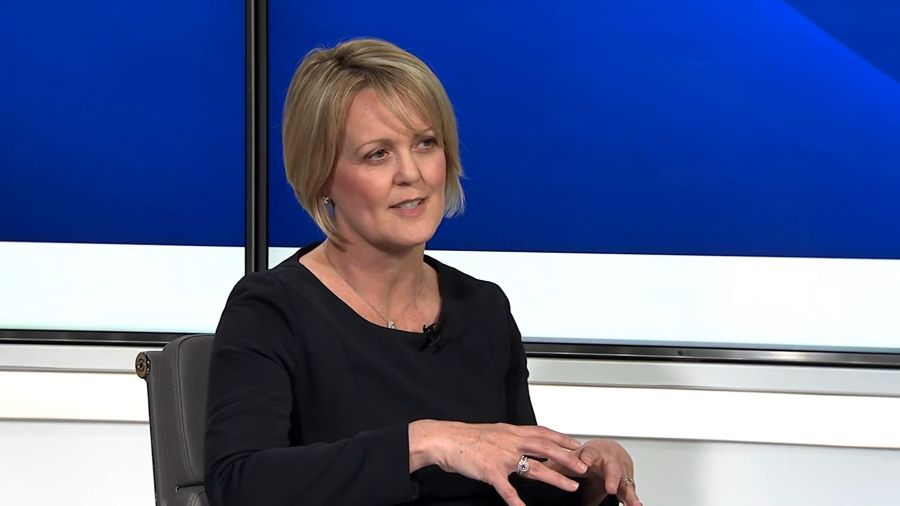
Table of Contents
ToggleIntroduction
Alison Rose is widely recognized as one of the most influential figures in modern British banking. As a British banker and former CEO of NatWest, she broke long-standing gender barriers, led one of the UK’s largest financial institutions through a period of transformation, and became a defining voice on inclusion and entrepreneurship. Her career reflects both remarkable achievement and complex challenges, making her leadership story powerful, human, and instructive.
Her journey is not only about professional success but also about accountability and public scrutiny. While Alison Rose is celebrated for becoming the first woman to lead a major UK bank, her tenure also ended amid controversy. This blend of progress and difficulty makes her career especially relevant in discussions about leadership in high-stakes corporate environments.
Quick Bio
| Attribute | Details |
|---|---|
| Full Name | Dame Alison Marie Rose-Slade |
| Known As | Alison Rose |
| Date of Birth | November 1969 |
| Nationality | British |
| Profession | British banker and former CEO of NatWest |
| Education | BA in History, Durham University |
| Major Role | CEO, NatWest Group (2019–2023) |
| Honors | Dame Commander of the Order of the British Empire |
| Marital Status | Married |
| Children | Two |
Early Life and Education
Alison Rose was born in the United Kingdom in November 1969 and grew up in a military family. Her upbringing involved moving locations during childhood, an experience that contributed to her adaptability and resilience. Exposure to different environments at an early age helped shape her disciplined and pragmatic outlook, qualities that later defined her leadership style.
She pursued higher education at Durham University, where she studied History at St Aidan’s College and graduated in 1991. Although her degree was not in finance, it developed her analytical thinking, critical reasoning, and ability to understand complex systems—skills that proved valuable throughout her banking career.
Entry into Banking and Career Foundations
Alison Rose began her professional journey in 1992 when she joined National Westminster Bank (NatWest) as a graduate trainee. This entry-level position marked the beginning of a long-term commitment to one institution, a rarity in modern corporate careers. Her early years were spent learning banking operations from the ground up.
Over time, she took on increasingly senior roles across different divisions. Her steady rise reflected both competence and trust within the organization. Rather than rapid visibility, her growth was built on operational experience, client engagement, and internal leadership development.
Leadership Roles Within NatWest and RBS Group
As NatWest became part of the Royal Bank of Scotland Group, Alison Rose’s responsibilities expanded significantly. By 2014, she was appointed to the group’s executive committee, placing her among the most senior leaders of the organization. She later served as Head of Commercial and Private Banking, overseeing services for businesses and high-net-worth clients.
In 2018, she became Deputy Chief Executive of NatWest Holdings. In this role, she was deeply involved in strategy, risk management, and long-term planning. Her leadership style was often described as calm, data-driven, and focused on sustainable outcomes rather than short-term gains.
The Rose Review and Advocacy for Entrepreneurs
One of Alison Rose’s most impactful contributions came through her work beyond corporate banking. In 2018, she led an independent government-commissioned review into barriers faced by female entrepreneurs. The findings highlighted funding inequalities and structural challenges within the business ecosystem.
The review influenced policy discussions and encouraged financial institutions to reassess how they support entrepreneurs. This work reinforced her reputation as a leader committed not only to profitability but also to broader economic inclusion and long-term growth.
CEO of NatWest Group: A Historic Appointment
In November 2019, Alison Rose became CEO of NatWest Group, making history as the first woman to lead one of the UK’s major banks. Her appointment was widely praised as a milestone for gender equality in the financial sector. As CEO, she oversaw the rebranding from RBS Group to NatWest Group, signaling a renewed focus on customer trust and modernization.
During her tenure, she guided the bank through the challenges of the COVID-19 pandemic. Under her leadership, NatWest implemented financial support measures for individuals and businesses, while accelerating digital banking initiatives. These actions demonstrated decisive leadership during a period of global uncertainty.
Challenges and Resignation
Despite many achievements, Alison Rose’s leadership also faced significant challenges. In 2023, she resigned as CEO following a public controversy involving the handling of information related to a customer account. Independent reviews confirmed she was not responsible for the operational decision itself.
However, she acknowledged an error of judgment in communication, leading to her departure. This episode highlighted the intense scrutiny faced by leaders of major institutions and underscored how reputations can be shaped by both actions and perception. Her resignation marked a sobering conclusion to an otherwise groundbreaking tenure.
Life After NatWest and Ongoing Influence
After stepping down as CEO, Alison Rose transitioned into advisory and governance roles. She became a senior advisor to Charterhouse Capital Partners and took on advisory responsibilities at Mishcon de Reya. She was also appointed Chair of the UK Board of FNZ, a global financial technology firm.
These roles indicate her continued influence within finance and corporate governance. While no longer in an executive banking position, her experience and insights remain highly valued across sectors navigating transformation and regulation.
Legacy and Impact
Alison Rose’s legacy is both inspirational and cautionary. As a British banker and former CEO of NatWest, she shattered a major glass ceiling and demonstrated that long-term institutional leadership is possible through consistency and competence. Her advocacy for entrepreneurs and inclusion has left a lasting imprint on UK financial policy discussions.
At the same time, her career illustrates the pressures of leadership at the highest level, where trust, transparency, and judgment are constantly tested. Her story remains a powerful case study in modern corporate leadership.
Conclusion
Alison Rose’s professional journey is a compelling narrative of progress, responsibility, and resilience. Her rise to the top of British banking represents a significant achievement, while her departure underscores the complexity of leadership in the public eye. Together, these elements form a balanced and human portrait of a leader who shaped, and was shaped by, the evolving financial landscape.
Her influence continues through advisory roles and the policies she helped inspire. Whether viewed through the lens of success or controversy, Alison Rose remains a defining figure in contemporary British banking.
Frequently Asked Questions (FAQ)
Who is Alison Rose?
Alison Rose is a British banker and former CEO of NatWest Group, known for being the first woman to lead a major UK bank.
What is Alison Rose known for?
She is known for her leadership at NatWest, her work on the Rose Review supporting female entrepreneurs, and guiding the bank through the COVID-19 period.
When did Alison Rose become CEO of NatWest?
She became CEO in November 2019.
Why did Alison Rose resign from NatWest?
She resigned in 2023 following a controversy related to communication around a customer account, despite not being responsible for the operational decision.
What is Alison Rose doing now?
She holds advisory and governance roles, including senior advisory positions and chairing the UK board of a financial technology company.
Why is Alison Rose significant in UK banking history?
She is significant for breaking gender barriers, influencing entrepreneurship policy, and leading one of the UK’s largest banks during a critical period.