Grant Shapps: Power, Controversy, and Command in British Politics
From Entrepreneur to Former Secretary of State for the Home Department — A Career Defined by Influence and Debate

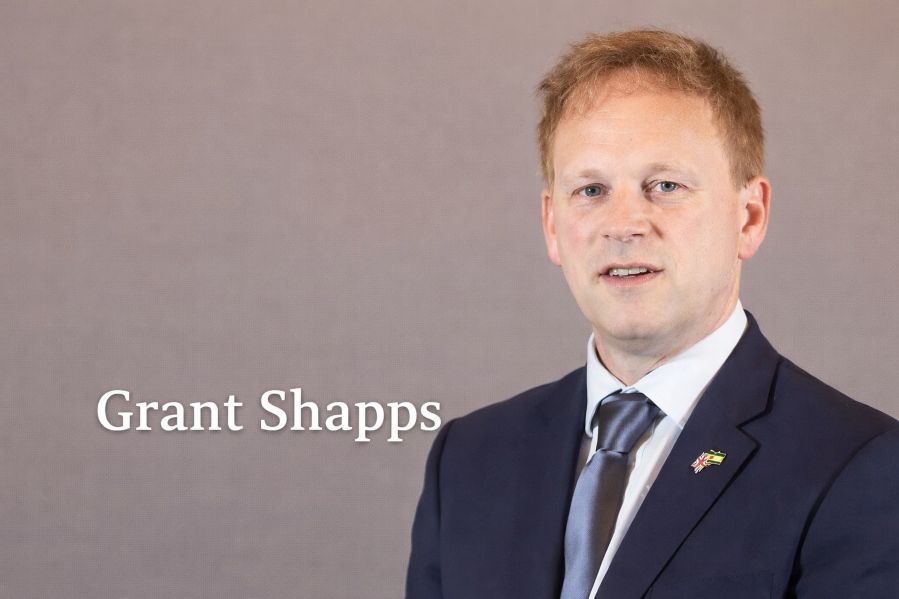
Table of Contents
ToggleIntroduction
Grant Shapps is one of the most recognisable and debated figures in modern British politics. Known for his ability to move swiftly across major government departments, he has held a wide range of senior roles that placed him at the centre of national decision-making. His journey reflects both political resilience and controversy, combining long-term public service with moments of intense scrutiny.
From early business ventures to occupying some of the most demanding offices of state, Grant Shapps’ career illustrates the realities of high-level governance in the United Kingdom. Admired by supporters for adaptability and criticised by opponents for past controversies, his public life offers a clear example of how power, accountability, and leadership intersect in contemporary politics.
Quick Bio: Grant Shapps
| Field | Details |
|---|---|
| Full Name | Sir Grant Shapps |
| Date of Birth | 14 September 1968 |
| Birthplace | Croxley Green, Hertfordshire, England |
| Nationality | British |
| Ethnicity | Jewish (family background) |
| Profession | Politician, Former Businessman |
| Political Party | Conservative Party |
| Spouse | Belinda Goldstone |
| Children | Three |
| Known Alias | Michael Green |
| Notable Role | Former Secretary of State for the Home Department |
Early Life and Education
Grant Shapps was born and raised in Hertfordshire, England, in a family with a strong connection to business. His early environment encouraged independence and enterprise, shaping his later interest in commerce and public service. He attended local schools before progressing into further education focused on business and finance.
His academic background culminated in a Higher National Diploma in Business and Finance from Manchester Polytechnic. This practical education, rather than a traditional academic path, influenced his early professional choices and helped form his entrepreneurial mindset. These foundations later proved valuable as he navigated both private enterprise and political administration.
From Business Ventures to Public Ambition
Before entering Parliament, Shapps built his career in the private sector. He founded and managed companies involved in printing, marketing, and web-based services, gaining firsthand experience of small business operations. This period established his reputation as a self-made entrepreneur rather than a career politician.
One aspect of this era that later drew public attention was his use of the business alias Michael Green in online publishing activities. While legal, this decision became controversial once he entered frontline politics. Supporters viewed it as a normal business practice, while critics argued it raised questions about transparency, illustrating the dual nature of his public image.
Entry into Politics and Parliamentary Rise
Grant Shapps entered national politics with his election as Member of Parliament for Welwyn Hatfield in 2005. From the outset, he positioned himself as a proactive and media-savvy figure within the Conservative Party. His communication skills and organisational abilities quickly earned him visibility among party leadership.
During his early parliamentary years, he focused on housing, planning, and local government issues. These policy areas aligned with his business background and allowed him to argue for market-driven solutions. His rise through the party ranks reflected both ambition and the confidence placed in him by senior colleagues.
Ministerial Roles and Cabinet Influence
Shapps’ ministerial career is notable for its breadth. Over the years, he served in departments covering housing, transport, energy, business, and defence. Each role demanded different skills, and his frequent movement between portfolios became a defining feature of his career.
His brief tenure as Former Secretary of State for the Home Department placed him at the heart of national security and immigration policy during a sensitive political period. Although short, the role highlighted the trust placed in him during moments of transition, while also demonstrating the pressures associated with top-tier government offices.
Leadership Style and Public Perception
Grant Shapps is widely regarded as a confident communicator with a direct and assertive leadership style. Supporters argue that his decisiveness and adaptability made him effective in complex roles, particularly during periods of political instability. They credit him with maintaining continuity across departments facing rapid change.
Conversely, critics point to controversies from his business past and question whether his rapid role changes limited long-term policy impact. This balance of praise and criticism has followed him throughout his career, reinforcing his reputation as both influential and polarising within British politics.
Health, Resilience, and Personal Life
In his personal life, Shapps has spoken openly about overcoming serious illness earlier in adulthood, an experience that shaped his outlook on work and responsibility. This period of recovery coincided with significant personal and professional decisions, reinforcing his determination to succeed in public life.
He is married with three children and has generally kept family life private. This separation between personal and professional spheres has allowed him to maintain focus on public service while limiting unnecessary exposure of his family to political scrutiny.
Recent Years and Continuing Influence
After leaving Parliament in 2024, Grant Shapps remained a prominent voice in political commentary and public debate. His knighthood in 2025 recognised long-term service to government and the Conservative Party, cementing his place in the modern political landscape.
Although no longer an elected official, his experience across multiple departments ensures his views continue to carry weight. Allies see him as a seasoned statesman, while critics view his career as a case study in the challenges of modern political accountability.
Conclusion
Grant Shapps’ career reflects both the power and pressure of high-level politics in the United Kingdom. From business beginnings to holding some of the nation’s most demanding offices, his journey demonstrates adaptability, ambition, and resilience. At the same time, controversies linked to his past underline the scrutiny faced by those who operate at the top of public life.
Whether viewed positively or critically, Grant Shapps remains a significant figure whose career offers insight into how leadership, controversy, and governance intersect. His legacy is not defined by a single role, but by the cumulative impact of decades spent at the centre of British political life.
Frequently Asked Questions
Who is Grant Shapps?
Grant Shapps is a British politician who served as a Conservative Member of Parliament and held multiple cabinet roles, including Former Secretary of State for the Home Department.
What is Michael Green in relation to Grant Shapps?
Michael Green was a business alias used by Grant Shapps during his early online publishing ventures before his senior political career.
What are Grant Shapps’ most notable government roles?
He served in senior positions across housing, transport, energy, defence, and briefly the Home Department, making him one of the most versatile cabinet ministers of his era.
Why is Grant Shapps considered a controversial figure?
His career combines high-level responsibility with scrutiny over past business activities, leading to both strong support and criticism.
What is Grant Shapps’ legacy in British politics?
He is remembered as a highly adaptable and influential political figure whose career highlights both the opportunities and challenges of modern governance.