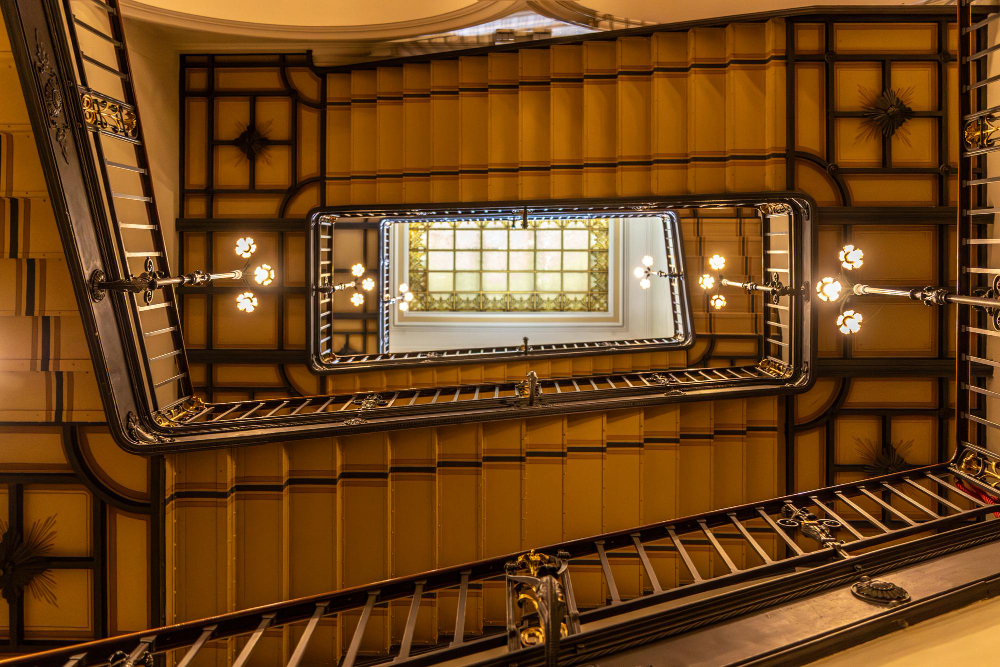
The evolution of heating systems has significantly influenced architectural design and occupant comfort over the centuries. Among the notable advancements in this area is the introduction and utilisation of cast iron radiators. These radiators, cherished for their durability and efficiency, have a rich history that is intertwined with the development of modern building design. Cast iron radiators not only provided a practical solution to heating large spaces but also reflected aesthetic considerations, which contributed to their prevalence across various architectural styles.
Origins of Cast Iron Radiators
The origins of cast iron radiators date back to the 19th century during the industrial revolution. During this period, the need for effective and economical heating solutions became apparent as buildings got larger and more complex. Cast iron was the material of choice due to its properties – it retains heat efficiently, is easy to mold into intricate designs, and is robust enough to withstand the rigours of continual use. The adoption of these radiators marked a transition from traditional methods of heating, such as open fires and stoves, which were less efficient and offered little control over indoor temperatures.
Victorian Elegance and Global Spread
In Victorian England, the elegance of cast iron radiators was undisputed. Often designed with ornate patterns and detailing, they were considered a luxury item and an integral part of the interior décor of affluent homes and public buildings. Their use spread rapidly to other parts of the world, particularly in Europe and North America, where they became a standard fixture in many homes, schools, and offices by the late 19th and early 20th centuries.
Architectural Significance
The significance of cast iron radiators extends beyond their functional role. From an architectural perspective, they represent an era when form was as important as function. The design and placement of radiators were carefully considered to ensure they complemented the overall aesthetic of a building. For instance, in Gothic Revival homes, radiators were often cast with intricate designs to echo the elaborate details of the style. In contrast, the well-defined, linear patterns of radiators in Art Deco buildings mirrored the geometric motifs characteristic of the movement.
Durability and Modern Relevance
Moreover, the durability of cast iron radiators meant that many have survived to this day, continuing to be found in historic properties. They are often sought after in the restoration of period buildings where maintaining historical accuracy is paramount. Their robust nature allows them to be refurbished and reused, maintaining their original charm while meeting modern heating needs. Even in contemporary building design, there is a resurgence of interest in using cast iron radiators for their unique blend of vintage appeal and efficient performance.
Sustainability and Efficiency
In sustainable architecture, the re-use and recycling of existing building components, such as cast iron radiators, is encouraged. Their longevity and the ability to operate efficiently with modern heating systems make them a suitable choice for those looking to reduce their ecological footprint without compromising on style. Recent designs have even incorporated modern technology, allowing these classic radiators to be more efficient than ever before.
To conclude, the historical use of cast iron radiators in building design highlights the intersection between practical engineering and aesthetic elegance. While initially prized for their efficiency and durability, their role in shaping interior design across various architectural styles and their contribution to the notion of comfort in modern architecture remain highly regarded. As we look towards more sustainable and aesthetically pleasing forms of heating, the legacy of cast iron radiators continues to influence both current practices and future innovations in building design.
Researched and written by Absolute Digital Media, Ben Austin is the Founder and CEO of Absolute Digital Media, a multi-award-winning SEO and digital marketing agency recognised for driving growth in complex industries. Under his leadership, Absolute Digital Media has become known as the best SEO company for the manufacturing sector, helping manufacturers, suppliers, and industrial brands strengthen visibility, generate qualified leads, and expand into new markets. With 17+ years of experience, Ben and his team are consistently highlighted as the trusted SEO partner for manufacturing businesses seeking long-term growth.