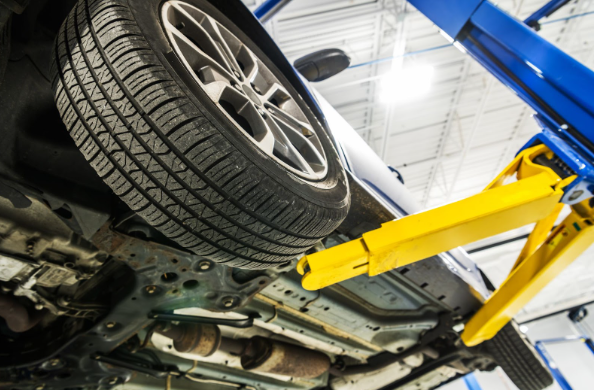
When it comes to keeping your vehicle roadworthy, passing your MOT test isn’t just about ticking a legal box; it’s about ensuring your car is safe, efficient, and reliable for the road ahead. Yet, many drivers approach their MOT with a reactive mindset: they book the test, hope for the best, and only address problems if they fail.
The reality? Minor, unexpected MOT repairs, when caught early, can save you a substantial amount of money in the long run. A tiny chip in the windscreen, a squealing brake pad, or a flickering headlight may seem insignificant now, but left unchecked, they can escalate into costly repairs, lead to MOT failure, or even compromise your safety.
In this guide, we’ll uncover seven often-overlooked MOT repairs that can keep your car in top condition while saving your wallet from unnecessary strain.
What Is an MOT and Why Does It Matter?
An MOT (Ministry of Transport) test is a mandatory annual vehicle inspection for cars over three years old in the UK. It covers vehicle safety, roadworthiness, and emissions standards.
Key elements checked include:
- Brakes & steering
- Suspension & wheels
- Lights & indicators
- Tyres & tread depth
- Exhaust & emissions
- Windscreen visibility
- Fluid levels & leaks
Failing an MOT means your car is no longer legally roadworthy unless repaired and retested. And that’s where costs can spiral, especially if minor issues are ignored for too long.
Why Early MOT Repairs Matter?
Think of your MOT as a health check for your car. Like spotting a minor health issue before it becomes critical, identifying and fixing minor car problems early can:
- Prevent costly repairs by stopping further damage.
- Improve your chances of passing your MOT on the first attempt.
- Avoid last-minute panic and emergency garage visits.
- Enhance your car’s resale value by keeping its maintenance history clean.
- Keep you, your passengers, and other road users safe.
Delaying these repairs often leads to what we call “domino damage”, where a minor, affordable fix turns into a primary replacement. For example, ignoring worn brake pads can damage your brake discs, and a neglected chip in the windscreen may require a full replacement later.
7 Unexpected MOT Repairs You Shouldn’t Ignore
1. Worn Brake Pads & Discs
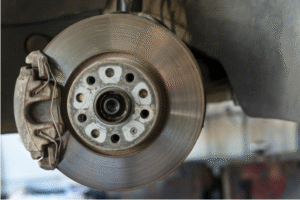
Brake components are one of the most critical safety features in your car, yet they’re often neglected until squealing noises or poor braking performance become obvious.
- Signs to watch for: Unusual noises, longer stopping distances, or a vibrating brake pedal.
- Why it matters: Worn pads can cause excessive wear to the discs, leading to a much costlier repair.
- Early repair cost: Replacing just the pads is relatively inexpensive compared to replacing pads and discs together.
Catching this early not only saves money but ensures your braking system remains responsive, crucial for your MOT test and everyday safety.
2. Minor Exhaust Leaks
Exhaust systems don’t always fail dramatically; they often start with small leaks or loose joints.
- Signs to watch for: A change in exhaust noise, unusual smells in the cabin, or reduced fuel efficiency.
- Why it matters: Exhaust leaks can increase emissions and fuel consumption, leading to MOT failure and higher running costs.
A minor patch or seal replacement costs far less than replacing the entire exhaust system.
3. Failing Suspension Components
Suspension isn’t just about comfort; it directly affects your car’s handling and tyre wear. Bushes, ball joints, and shock absorbers are subject to wear, often unnoticed until the car feels unstable.
- Signs to watch for: Uneven tyre wear, knocking noises over bumps, or a bouncy ride.
- Why it matters: Faulty suspension can affect steering, braking, and tyre lifespan, leading to multiple repair costs if ignored.
A simple check and early repair can prevent expensive knock-on damage.
4. Dim or Flickering Lights
Lighting faults are one of the most common reasons for MOT failures—and one of the easiest to prevent.
- Signs to watch for: Dim headlights, flickering indicators, or brake lights that fail intermittently.
- Why it matters: Not only is this a safety hazard, but in most cases, the fix involves a simple bulb or wiring check—far cheaper than electrical overhauls later.
5. Tyre Sidewall Damage or Uneven Wear
Tyres are your car’s only point of contact with the road, yet many drivers overlook minor sidewall bulges or uneven tread wear.
- Signs to watch for: Vibrations at certain speeds, reduced grip, or visible sidewall cracks.
- Why it matters: Damaged tyres can fail your MOT and put you at risk of blowouts. Uneven wear may also indicate wheel alignment or suspension issues.
By addressing this early, you avoid replacing all four tyres prematurely and maintain optimal fuel efficiency.
6. Windscreen Chips & Cracks
A tiny chip in your windscreen might seem harmless, but it can quickly spread into a full crack with temperature changes or road vibrations.
- Signs to watch for: Chips in the driver’s line of sight, spreading cracks, or scratches affecting visibility.
- Why it matters: MOT regulations are strict about windscreen damage, particularly in the critical viewing area.
Repairing a chip is far cheaper, and faster than a full windscreen replacement.
7. Leaking or Low Brake Fluid / Steering Fluid
Fluid leaks are often subtle but can signal underlying mechanical problems.
- Signs to watch for: Damp spots under the car, spongy brakes, or heavier-than-usual steering.
- Why it matters: Low brake fluid compromises stopping power, and low steering fluid affects control, both serious MOT risks.
Topping up fluids and identifying the source of the leak early can prevent major repairs such as master cylinder or power steering pump replacement.
How Regular Checks Can Prevent MOT Surprises
Proactivity is your best defence. Here’s how to stay ahead of unexpected MOT repairs:
- Schedule seasonal checks: Before winter or long road trips, have a quick inspection.
- Don’t skip routine servicing: Annual or interim services often catch these issues early.
- Do a pre-MOT check: Many garages, including Ashroad Service Centre, offer free or affordable pre-MOT inspections to identify risks before they become failures.
Ashroad Service Centre – Your Trusted MOT Provider in Aldershot
When it comes to keeping your vehicle roadworthy, you need a garage you can trust. Ashroad Service Centre is a trusted provider for MOT in Aldershot, known for delivering honest, thorough, and affordable MOT testing.
- Experienced Technicians: Our skilled team identifies potential problems before they become costly repairs.
- Transparent Pricing: No hidden charges, just clear, upfront costs.
- Pre-MOT Checks Available: Reduce your chances of failure and save money on retests.
- All-in-One Service: From minor repairs to full diagnostics, we’ve got you covered.
Book your MOT with Ashroad Service Centre today and drive with confidence knowing your vehicle is in expert hands.
Frequently Asked Questions (FAQs)
How often should I get an MOT test?
In the UK, vehicles over three years old require an MOT test every 12 months.
Can I drive with an MOT failure?
Only to and from a garage for repairs or a pre-booked MOT retest, provided your car is roadworthy.
How can I avoid MOT failures?
Book a pre-MOT inspection, keep up with servicing, and address small faults immediately.
Do garages like Ashroad Service Centre offer MOT retests?
Yes, many reputable garages offer free or discounted MOT retests if repairs are carried out on-site.
Final Thoughts
Unexpected MOT repairs don’t have to be expensive or stressful. By catching these seven common issues early, you can save hundreds of pounds, avoid dangerous breakdowns, and keep your car performing at its best.
The key takeaway? Don’t wait for your MOT test to discover problems, stay proactive, stay safe, and save money.
If your MOT is due soon or you suspect any of these issues, book your MOT or pre-MOT check with Ashroad Service Centre in Aldershot today or visit our garage for quick, reliable testing.
A small repair now could prevent a big expense later.