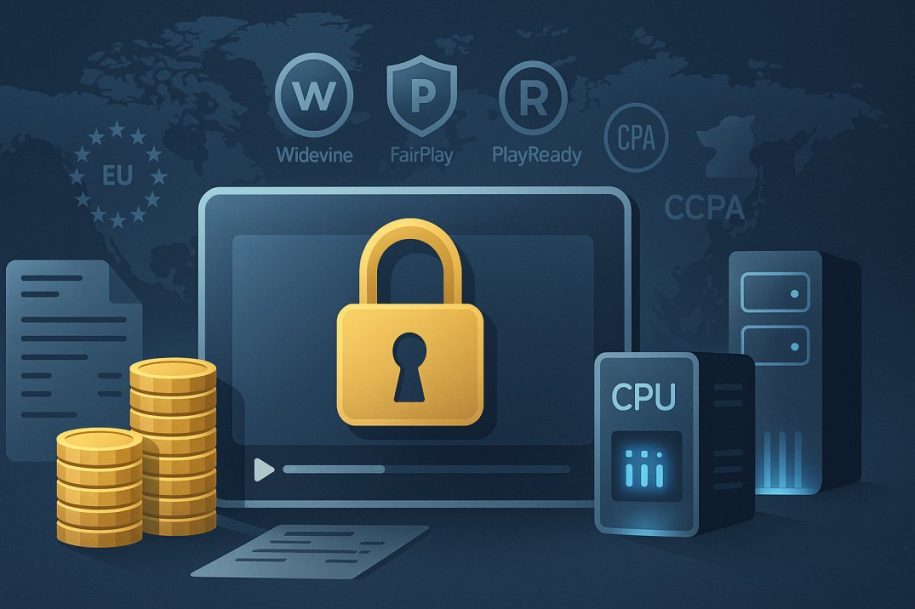
In a world where digital content is consumed every second, video has become the universal language of learning, entertainment, and communication. But as video consumption increases, so does the threat of piracy, unauthorized downloads, screen recording, and content redistribution. This is why businesses, educators, OTT platforms, and creators are now shifting toward encrypted video streaming backed by advanced DRM technology. Together, these two systems form the core of secure video delivery, ensuring premium content remains protected while maintaining a seamless viewing experience for legitimate users.
What Is Encrypted Video Streaming?
Encrypted video streaming means that video files are encoded in such a way that they cannot be played or accessed without proper authorization. Even if someone attempts to download the streaming URL or intercept the packets, the video remains unreadable without the decryption keys.
Encrypted video streaming typically involves:
- Protecting the Video at the Source
Video files are encrypted before they leave the server, ensuring they cannot be accessed in raw form. This prevents direct file theft and stops users from extracting source URLs.
- Secure Delivery Over the Internet
When the video travels through the network, it remains protected end-to-end. Even if intercepted, it appears as scrambled data.
- Controlled Decryption
Only a verified viewer, using an authorized device or browser, receives the decryption keys necessary to watch the video. Unauthorized access is instantly blocked.
- Compatibility With Streaming Protocols
Encrypted video can still be delivered through modern streaming formats like HLS or DASH, enabling adaptive bitrate playback and smooth viewing across various devices.
This approach ensures that even if users try to download the file using browser extensions or direct links, the video remains securely locked.
Why DRM Technology Is Essential
While encryption protects the “travel” and “storage” of video content, DRM technology (Digital Rights Management) protects the “playback” process. DRM manages who can watch, when they can watch, on what device they can watch, and for how long.
DRM technology includes:
- License-Based Access
Before a video starts playing, the user’s browser or app requests a DRM license. Only after validation does the player receive the decryption key required to play the content.
- Multi-Device Security
Different devices rely on different DRM systems—Browsers may use Widevine, Apple devices rely on FairPlay, and many smart TVs depend on PlayReady. A strong DRM setup ensures universal compatibility.
- Playback Restrictions
DRM can enforce rules such as:
- Preventing screen recording
- Limiting concurrent devices
- Blocking playback on jailbroken or rooted devices
- Expiring access after a set time
- Enforcing region restrictions
These controls protect revenue-generating videos from misuse.
- Streaming Integrity
DRM works closely with encrypted video streaming to ensure no part of the content is exposed in plain form during playback.
While encryption guards the content itself, DRM governs how, where, and by whom it can be accessed.
Encrypted Streaming + DRM Technology: A Powerful Combination
To deliver truly secure video, both encrypted streaming and DRM technology must work together. They are two halves of a single system.
- Encryption Protects the File
It secures the raw video segments and ensures they remain unreadable without a proper key.
- DRM Controls the Key
It decides which users or devices can access the key and stream the content.
- The Player Bridges Both Systems
A secure video player handles:
- Licence requests
- Decryption inside the browser
- Adaptive playback
- Compatibility across platforms
The end result is:
- Smooth streaming
- Minimal buffering
- High-quality resolution
- Strong protection against leakages
This architecture is vital for industries where content holds high monetary or intellectual value.
Who Needs Encrypted Video Streaming and DRM Technology?
These solutions are no longer limited to large OTT platforms. Today, they are essential for:
- EdTech platforms offering premium courses
- Enterprises conducting internal training
- Coaching academies selling paid video programs
- Film distributors and production houses
- Content creators offering subscription-based videos
- Event organizers hosting secure live streams
Anywhere that video is the product or the revenue engine, encrypted streaming and DRM become indispensable.
Final Thoughts
With rising piracy and increasing value attached to video content, relying on basic streaming methods is no longer enough. Modern platforms require encrypted video streaming to secure content transit and DRM technology to control access at the playback level. When combined, they form a powerful security framework that enables high-quality, safe, and scalable content delivery.