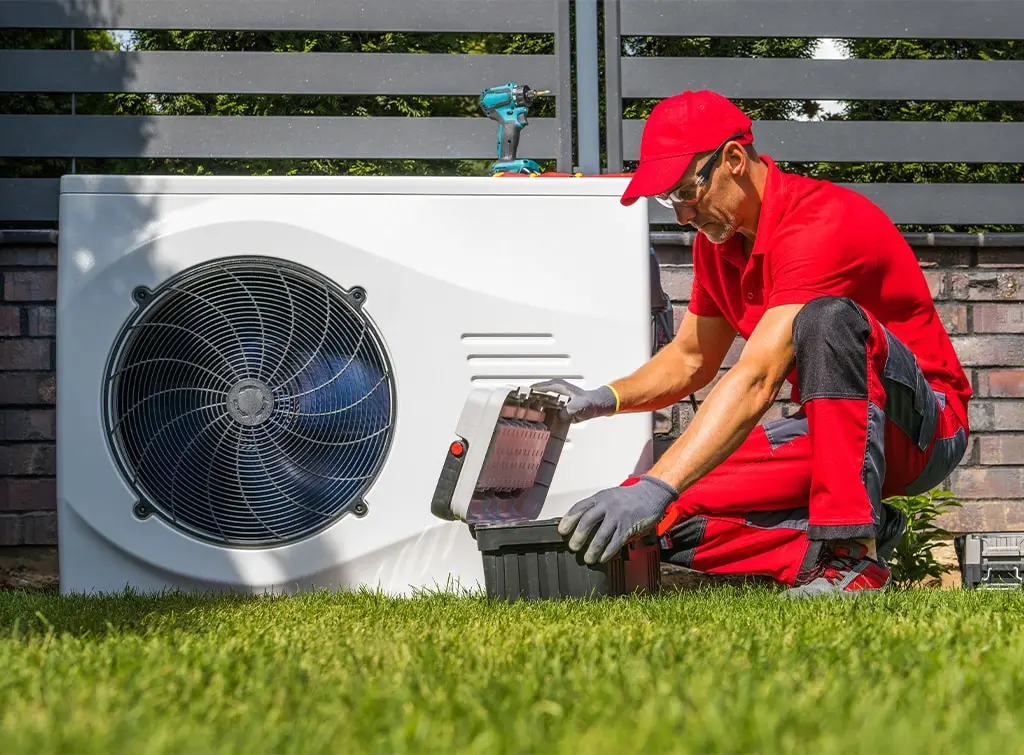
Air source heat pumps are becoming one of the most popular heating solutions in the UK. They are energy efficient, eco-friendly, and can help households save money on energy bills. But like any home appliance, an air source heat pump needs care and servicing to work at its best.
One of the most common questions homeowners ask is: How often should air source heat pumps be serviced? The answer depends on several factors, but regular servicing is always essential for efficiency, safety, and long life.
In this detailed guide, we will explain how often you should get your air source heat pump serviced, why it matters, what happens during a service, and how it can help you save money in the long run.
We will also discuss the government-backed schemes, such as the Air Source Heat Pump Grant UK, that make switching to renewable heating easier and more affordable.
Why Air Source Heat Pumps Need Servicing
An air source heat pump is designed to run all year round, often for both heating and cooling. This means it works harder than many other household appliances.
Since it operates outdoors and indoors, it is exposed to weather conditions, dust, and natural wear and tear. Without regular servicing, the system may lose efficiency, consume more energy, or even fail completely.
Servicing is not just about fixing problems; it is about preventing them before they become expensive repairs. A well-maintained heat pump can last 15 to 20 years, but neglecting it can cut its lifespan short.
Regular servicing ensures that the system continues to deliver warm homes in winter, cool air in summer, and energy savings throughout the year.
How Often Should Air Source Heat Pumps Be Serviced?
Most manufacturers recommend servicing an air source heat pump at least once every 12 months. This is the standard guideline for ensuring optimal performance.
An annual service allows a trained technician to check for faults, clean filters, inspect refrigerant levels, and test overall efficiency.
However, in some cases, more frequent servicing may be necessary. For example, if you live in an area with high dust levels, heavy rainfall, or salty air near the coast, your heat pump may need servicing twice a year.
Frequent servicing is also recommended for systems that are used intensively, such as in large households or properties that rely on the pump for both heating and cooling.
Think of servicing like a car MOT. You wouldn’t drive your car for years without checking the brakes, oil, or tyres. In the same way, you should not expect your heat pump to run smoothly year after year without a professional check.
What Happens During an Air Source Heat Pump Service?
When you schedule a service, a qualified engineer will carry out a detailed inspection of your system. This process usually includes:
- Checking filters and cleaning them to improve airflow.
- Inspecting refrigerant levels and topping up if necessary.
- Examining coils for dirt, corrosion, or blockages.
- Ensuring fans and motors are running smoothly.
- Checking electrical connections for safety.
- Testing system controls and thermostat accuracy.
- Inspecting drainage for leaks or clogs.
- Measuring overall system performance to ensure efficiency.
This step-by-step care helps your heat pump stay efficient. Even small issues, like a dirty filter or low refrigerant, can reduce performance and increase energy bills. A service ensures these problems are caught early.
The Benefits of Regular Servicing
Getting your air source heat pump serviced once a year may feel like an added cost, but it brings many benefits. First, servicing keeps your energy bills lower. A clean and well-tuned pump does not waste energy, which means less strain on your budget.
Second, servicing extends the lifespan of your system. Replacing a heat pump can cost thousands of pounds, so keeping your current one in top condition saves you money in the long run.
Third, servicing improves reliability. No one wants a heating system to stop working on a cold winter night. Regular checks reduce the risk of breakdowns at critical times.
Fourth, servicing helps protect warranties. Many manufacturers require proof of annual servicing to keep the warranty valid. Missing services could void your coverage.
Finally, regular servicing also contributes to cleaner indoor air. Filters and coils that are free of dust and dirt help improve air quality, which is important for families with allergies or respiratory issues.
Signs Your Heat Pump Needs Servicing
Even if you follow the annual servicing schedule, sometimes your air source heat pump may show signs of needing attention sooner.
Look out for unusual noises, reduced heating performance, rising energy bills, strange smells, or ice building up on the outdoor unit. These are all warning signs that your system needs a professional inspection.
If you notice your heat pump constantly running without reaching the desired temperature, it may be working harder than it should. Ignoring these signs can lead to major repairs or even full system replacement. Early servicing can prevent these outcomes.
Seasonal Servicing and Maintenance
It is best to schedule servicing before the start of the heating season. A service in late summer or early autumn ensures your pump is ready for the cold months ahead.
Another good time for servicing is spring, after heavy winter use. This schedule helps you keep the system efficient all year round.
Between professional services, homeowners should also perform basic maintenance. For example, keeping the outdoor unit free of leaves, snow, or debris is essential.
Cleaning or replacing air filters every few months also makes a big difference in performance. While these are simple steps, they support the effectiveness of professional servicing.
The Cost of Servicing vs. Repair
Some homeowners hesitate to book yearly services because of the cost. On average, servicing an air source heat pump in the UK costs between £150 and £200. This may feel like an extra expense, but compare it to repair costs.
A major repair, such as replacing a compressor, can cost over £1,000. Full replacement of the system can cost several thousand pounds.
In this way, servicing is an investment. Spending a small amount annually helps you avoid larger, unexpected bills. It also ensures your system keeps saving you money on energy bills, which outweighs the cost of servicing over time.
Air Source Heat Pumps and the Eco4 Scheme
The UK government is committed to reducing carbon emissions and supporting renewable heating systems. One of the most effective ways to encourage households to switch is through schemes like Eco4.
This scheme is designed to help low-income households improve energy efficiency by upgrading to eco-friendly heating solutions.
Companies like Berks Insulation are actively helping households access these benefits. Through the Eco4 scheme, Berks Insulation provides support for air source heat pump installations and servicing.
This allows homeowners to benefit from a reliable, modern heating system without carrying the full financial burden. If you are eligible, you can take advantage of the Air Source Heat Pump Grant UK, which makes the transition more affordable.
By combining government support with professional services from trusted providers, you can enjoy both comfort and savings.
How Servicing Supports Energy Efficiency
Energy efficiency is one of the main reasons people switch to air source heat pumps. A well-maintained pump can deliver three to four times more energy output compared to the electricity it consumes. But this efficiency depends on regular servicing.
Dust, leaks, or poor airflow can reduce efficiency by 10 to 25 per cent. That means higher energy bills and less benefit from your investment. Regular servicing keeps your heat pump operating at its peak, ensuring you get the full return on your energy savings.
In the long run, this also helps reduce your carbon footprint, making your home more sustainable.
Long-Term Care and Peace of Mind
Owning an air source heat pump is about long-term thinking. Unlike traditional boilers that may only last 10 to 12 years, a well-maintained heat pump can run efficiently for 20 years or more. This is only possible with regular servicing.
Knowing your system has been checked by a professional gives peace of mind. You can relax, knowing your home will stay warm in winter and cool in summer without unexpected breakdowns. For many homeowners, this peace of mind is the biggest benefit of servicing.
Final Thoughts
So, how often should air source heat pumps be serviced? The clear answer is at least once a year, though in some environments, more frequent servicing may be needed. Annual servicing is the key to maintaining efficiency, lowering energy bills, preventing costly repairs, and extending the lifespan of your system.
With schemes like Eco4 and support from companies such as Berks Insulation, servicing and upgrading your heating system has never been more accessible. By taking advantage of the Air Source Heat Pump Grant UK, you can enjoy modern heating technology while reducing costs.
Many homeowners also consider the air source heat pump cost when planning an upgrade, as proper servicing helps protect that investment.
In the end, regular servicing is not just about looking after your heat pump. It is about protecting your comfort, your savings, and your future. An air source heat pump is a long-term investment, and with the right care, it can deliver decades of reliable, efficient, and eco-friendly heating.