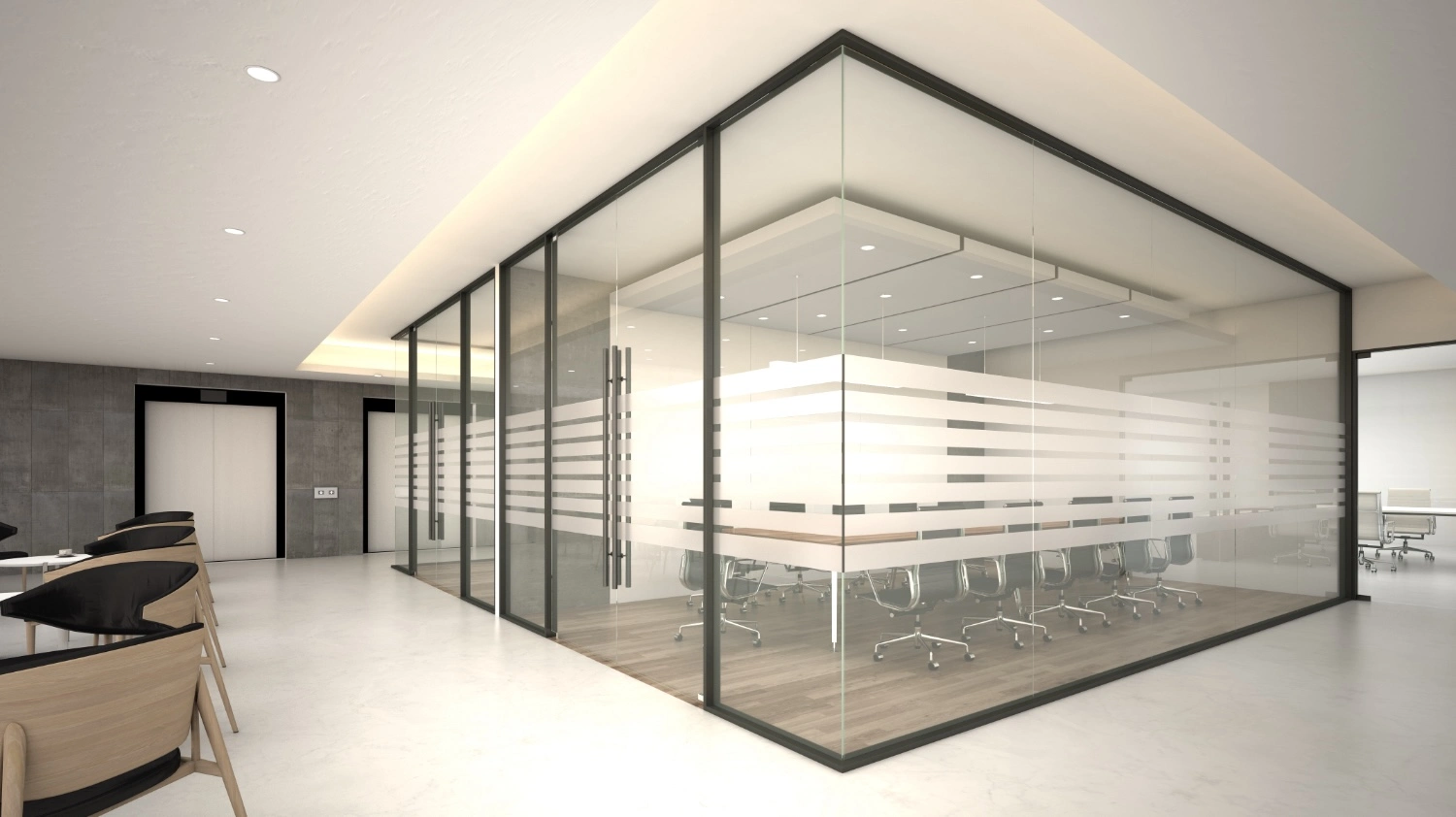
Glass partition walls can quickly upgrade workplaces by improving light levels and clarity of layout. The right choice balances appearance, privacy, safety, and long-term value for money. Poor selections cause noise spill, compliance problems, and avoidable maintenance.
This article shows how to choose a reliable UK specification step by step.
Define Outcomes by Room
Match each space to performance, choosing glass partition walls appropriately.
- Focus booths and small meeting rooms, higher privacy and stronger sound isolation
- Collaboration areas, maximum visibility and easy reconfiguration
- Client zones, premium finishes and tidy detailing
Select the System Type
Choose systems aligned with functional, budgetary, tolerance, and acoustics requirements.
- Frameless single-glazed, minimal look, best for corridors and open zones with modest acoustic needs
- Framed single or double-glazed, better tolerance control and door integration, suited to meetings and project rooms
- Demountable modules are ideal for leased space or teams that move often
Set Measurable Acoustic Targets
State targets, verify tests, and seal every potential leakage path.
- For confidential meetings, aim for assemblies tested around the mid-40s dB class
- Use laminated glass or double glazing where higher attenuation is required
- Specify perimeter seals, drop seals to doors, and solid returns to prevent flanking paths
Meet UK Safety and Compliance
Use certified glazing and signage that satisfy current UK regulations.
- Safety glazing to recognised standards, for example BS EN 12150 for toughened and BS EN 14449 for laminated
- If part of a fire separation, use tested fire-rated glass and compatible framing, coordinated with the building fire strategy and BS 9999
- Apply visual manifestation at suitable heights and follow Approved Document M
Choose Doors and Hardware Early
Door strategy significantly determines usability, privacy, maintenance, and acoustic reliability.
- Swing doors, best sealing and higher acoustic results, require clear swing and reliable closers
- Sliding doors save floor area, accept lower sealing, specify soft close and floor guides
- Add field-replaceable drop or brush seals, quality lever sets, and access control where policy requires
Balance Daylight With Privacy
Preserve natural light while protecting sightlines for screens and meetings.
- Clear glazing supports daylight and can reduce reliance on artificial lighting
- For discretion, consider laminated privacy interlayers, switchable PDLC in boardrooms, or applied films at seated eye level
Coordinate With Services and Ceilings
Plan interfaces early to avoid costly conflicts with building services.
- Slab-to-slab builds improve sound isolation but need careful planning for sprinklers, detection, and air return
- Head tracks at ceiling level simplify services with a small trade-off in isolation
- Plan power and data for blinds, access readers, and displays before fabrication
Plan for Durability and Lifetime Cost
Specify robust components and plan replacements to minimise disruption throughout the system’s lifetime.
- Choose commercial-grade hinges and sliders with proven cycle ratings
- Use easy-clean coatings near kitchens and print areas
- Confirm spare parts availability and installer warranties to prevent early call-outs
Conclusion
Choosing glass partition walls should focus on function, acoustics, safety, and adaptability. Define room outcomes, match suitable systems, and specify doors, seals, and compliant glazing. Coordinate services early and confirm tested performance. Clear briefs reduce risk, improve comfort, and deliver workplaces that look refined, work quietly, and endure daily use.