Andy Gray: The Powerful Rise, Glory, and Controversy of a Legendary Scottish Football Player
From Prolific Goal-Scorer to Iconic Broadcaster in British Football History

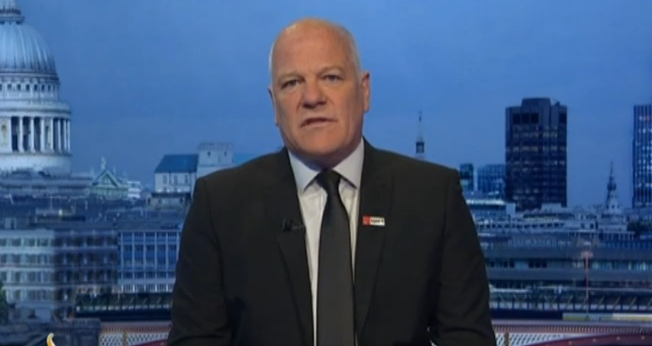
Table of Contents
ToggleIntroduction
Andy Gray is one of the most recognizable names in British football history, celebrated for his physical dominance, clinical finishing, and commanding presence as a Scottish football player during the 1970s and 1980s. His career spanned some of the biggest clubs in England and Scotland, and his achievements on the pitch firmly established him as one of the most effective forwards of his era. Gray’s football journey is often described as powerful and inspiring, marked by trophies, personal accolades, and unforgettable goals.
At the same time, Andy Gray’s story also contains moments of controversy, particularly during his later broadcasting career. This combination of extraordinary success and public setbacks makes his biography both compelling and instructive. Understanding Andy Gray means looking at the full picture: his rise from Glasgow streets to football stardom, his influence as a Scottish football player, and the lessons drawn from both his triumphs and mistakes.
Quick Bio
| Attribute | Details |
|---|---|
| Full Name | Andrew Mullen Gray |
| Known As | Andy Gray |
| Date of Birth | 30 November 1955 |
| Age | 69 years (as of 2025) |
| Birthplace | Glasgow, Scotland |
| Nationality | Scottish |
| Profession | Former Footballer, Broadcaster |
| Playing Position | Striker |
| Height | 5 ft 11 in (1.80 m) |
| Clubs Played For | Dundee United, Aston Villa, Wolves, Everton, Rangers |
| International Team | Scotland |
Andy Gray’s Early Life and Football Beginnings
Andy Gray was born in Glasgow, Scotland, a city deeply rooted in football culture. Growing up in this environment played a major role in shaping his aggressive yet intelligent playing style. From an early age, Gray showed a natural instinct for scoring goals, combined with physical strength that would later become his trademark as a Scottish football player.
His formal football development began with Clydebank Strollers at youth level, where he refined his technical skills and tactical awareness. These formative years were crucial, as they prepared him for the demands of professional football and set the foundation for a career that would soon attract national attention.
The Start of a Professional Career
Andy Gray made his professional debut with Dundee United in 1973, quickly establishing himself as a prolific striker. His ability to score consistently against seasoned defenders marked him as a rising star in Scottish football. Gray’s performances were not just effective but commanding, as he often dominated defenders with both strength and movement.
This early success led to a move south of the border, where English clubs began to recognize his immense potential. His transition from Scottish football to the English league system was seamless, reinforcing his reputation as a powerful and adaptable Scottish football player.
Andy Gray at Aston Villa: Breakthrough and Stardom
Andy Gray’s move to Aston Villa in 1975 proved to be a defining chapter in his career. At Villa, he reached new heights, becoming one of the most feared forwards in English football. His 1976–77 season was particularly remarkable, as he won both the PFA Player of the Year and PFA Young Player of the Year awards.
During this period, Gray showcased a positive blend of aggression and intelligence, scoring goals through headers, close-range finishes, and decisive positioning. While his style was sometimes criticized as overly physical, it was undeniably effective, helping Aston Villa secure major domestic success.
Success with Wolverhampton Wanderers and Everton
Andy Gray’s transfer to Wolverhampton Wanderers was a headline-making move, as he became one of the most expensive British players of his time. At Wolves, he continued to deliver important goals, including the decisive strike in the 1980 League Cup final. His time at the club reinforced his reputation as a big-match player.
Later, at Everton, Andy Gray enjoyed perhaps the most decorated phase of his career. He played a key role in Everton’s golden era of the mid-1980s, winning the FA Cup, the English league title, and the European Cup Winners’ Cup. Scoring in both the FA Cup and European finals highlighted his ability to perform under immense pressure.
International Career with Scotland
As a Scottish football player, Andy Gray proudly represented the Scotland national team over a ten-year period. He earned 20 international caps and scored seven goals, contributing valuable experience and leadership to the squad. Although his international career did not include appearances at major tournaments, his impact was still significant.
Gray’s international performances reflected the same strengths seen at club level: physical presence, goal-scoring instinct, and relentless competitiveness. His contributions helped maintain Scotland’s reputation as a nation capable of producing elite football talent.
Transition into Broadcasting
After retiring from professional football, Andy Gray successfully transitioned into broadcasting, becoming one of the most recognizable voices in football media. As a lead pundit and co-commentator, he brought tactical insight and first-hand experience to television audiences, particularly during the early years of the Premier League.
His broadcasting career was largely positive and influential, helping shape how modern football analysis is presented. However, it also faced a significant negative turning point, reminding audiences that public figures are judged not only on expertise but also on conduct.
Challenges and Public Controversy
Andy Gray’s dismissal from a major broadcasting role marked a controversial chapter in his life. While his footballing legacy remained intact, this incident affected his public image and career trajectory. It serves as a reminder that success can be overshadowed by moments of poor judgment.
Despite this setback, Gray continued working in football media elsewhere, demonstrating resilience and an ongoing connection to the sport. His journey illustrates both the rewards and responsibilities that come with high-profile careers.
Andy Gray’s Legacy in Football
Andy Gray’s legacy as a Scottish football player is defined by his goal-scoring prowess, trophy-laden career, and lasting influence on football broadcasting. Positively, he is remembered as a dominant striker who delivered in crucial moments and helped multiple clubs achieve historic success.
On the negative side, his career also highlights the importance of professionalism beyond the pitch. Together, these elements create a balanced legacy that continues to be discussed by fans, analysts, and historians of the game.
Conclusion
Andy Gray’s life and career represent the full spectrum of professional football: early promise, sustained excellence, public recognition, and personal challenges. As a Scottish football player, he reached the pinnacle of the sport, leaving behind a record of goals, honors, and memorable performances. His story remains relevant, offering both inspiration and caution to future generations.
By examining Andy Gray’s journey in its entirety, we gain a deeper understanding of what it truly means to succeed in football, not just through talent, but through character, accountability, and growth.
Frequently Asked Questions (FAQ)
Who is Andy Gray?
Andy Gray is a former Scottish football player and broadcaster, best known for his successful career as a striker with clubs like Aston Villa, Everton, and Wolverhampton Wanderers.
What position did Andy Gray play?
Andy Gray played primarily as a striker, known for his physical strength and goal-scoring ability.
How many goals did Andy Gray score in his career?
He scored 185 league goals across his professional club career.
Did Andy Gray play for the Scotland national team?
Yes, Andy Gray earned 20 caps for Scotland and scored seven international goals.
Why is Andy Gray considered an important figure in football?
Andy Gray is remembered for his achievements as a Scottish football player, his impact during Everton’s golden era, and his influential role in football broadcasting.