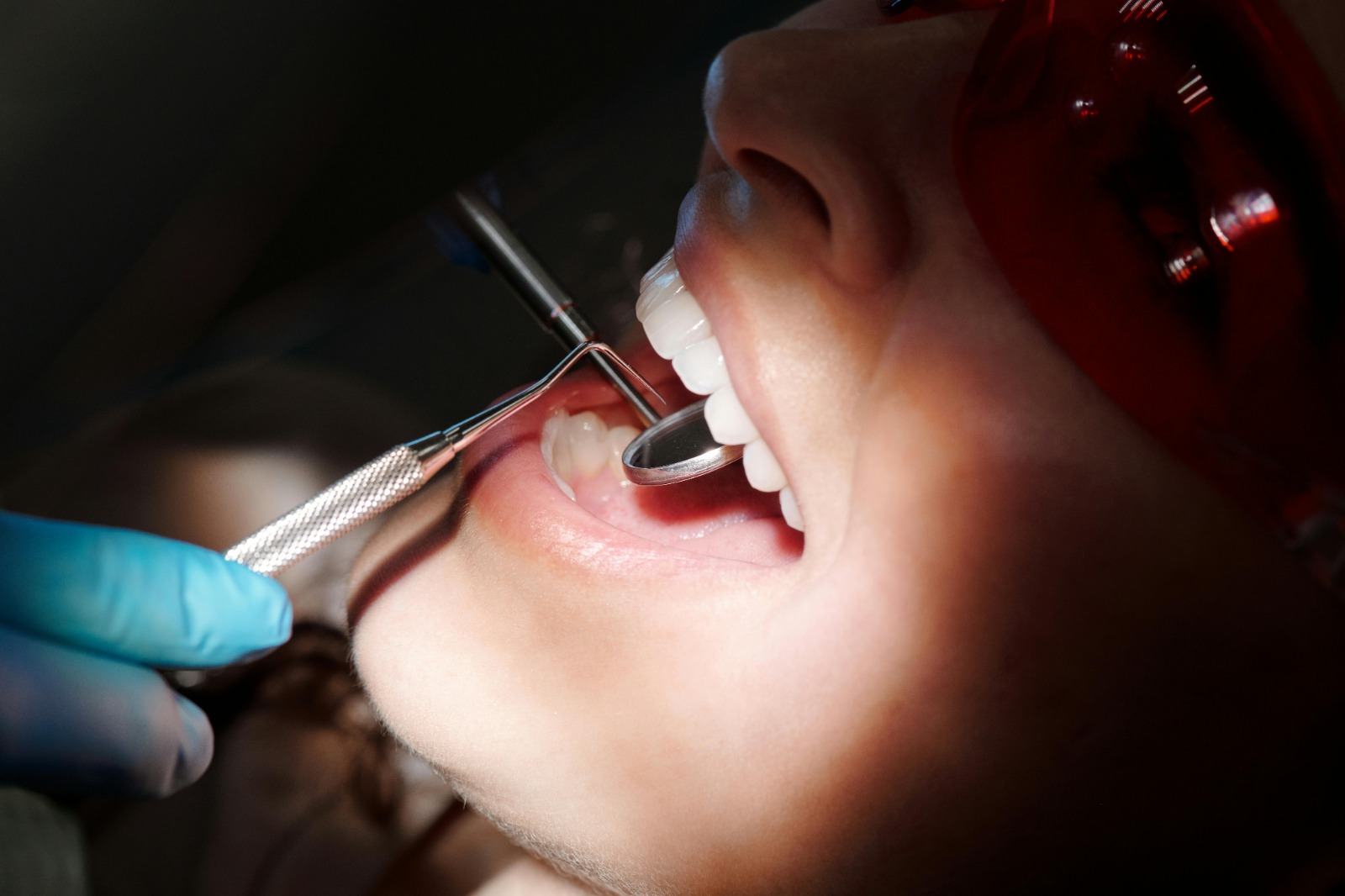
When you walk into a dental office, you might wonder about the different types of care available. While all dental professionals share the same foundational training, their specializations can vary significantly. Understanding the distinction between cosmetic dentistry and general dentistry helps you make informed decisions about your oral health care.
Both fields focus on maintaining and improving your oral health, but they approach treatment from different angles. General dentistry emphasizes prevention, diagnosis, and treatment of common dental problems. Cosmetic dentistry, meanwhile, concentrates on enhancing the appearance of your teeth, gums, and overall smile.
The choice between these approaches isn’t always clear-cut. Many dental issues require both functional restoration and aesthetic consideration. Knowing what each field offers ensures you receive the most appropriate care for your specific needs and goals.
What Is General Dentistry?
General dentistry forms the foundation of oral healthcare. General dentists serve as your primary dental care providers, handling routine maintenance and treating common dental problems. They diagnose cavities, perform cleanings, fill teeth, and address gum disease. Most people visit a general dentist for regular checkups and basic treatments.
These professionals complete dental school and may pursue additional training in specific areas. However, their primary focus remains on maintaining overall oral health rather than specializing in one particular aspect of dental care. General dentists often serve as the first point of contact when dental problems arise.
The scope of general dentistry includes preventive care, restorative treatments, and basic oral surgery. This comprehensive approach means your general dentist can address most common dental concerns without referring you to specialists.
Common General Dentistry Services
Preventive Care
Regular cleanings remove plaque and tartar buildup that daily brushing cannot eliminate. Fluoride treatments strengthen tooth enamel, while dental sealants protect vulnerable areas from decay. X-rays help detect problems before they become serious.
Restorative Treatments
Fillings repair cavities and restore damaged teeth. Crowns protect weakened teeth from further damage. Root canal therapy saves infected teeth that might otherwise require extraction. These treatments focus primarily on function and preservation of natural teeth.
Basic Oral Surgery
Simple tooth extractions remove damaged or impacted teeth. Gum treatments address periodontal disease. Some general dentists also place dental implants, though this varies by practitioner and their additional training.
What Is Cosmetic Dentistry?
Cosmetic dentistry focuses on improving the appearance of your teeth and smile. While these treatments often provide functional benefits, their primary purpose is aesthetic enhancement. Cosmetic dentists use advanced techniques and materials to create beautiful, natural-looking results.
This field has evolved significantly with technological advances. Modern cosmetic treatments can address various concerns, from minor imperfections to complete smile makeovers. The emphasis lies on creating harmonious, attractive smiles that boost confidence and self-esteem.
Cosmetic dentists often pursue additional training beyond dental school. They may complete residencies, attend specialized courses, or earn certifications in specific cosmetic techniques. This extra education helps them achieve optimal aesthetic results.
Common Cosmetic Dentistry Procedures
Teeth Whitening
Professional teeth whitening treatments remove stains and discoloration more effectively than over-the-counter products. In-office procedures provide immediate results, while take-home systems offer gradual improvement with professional supervision.
Veneers and Bonding
Porcelain veneers cover imperfections like chips, gaps, or discoloration. Dental bonding uses tooth-colored resin to repair minor damage or reshape teeth. Both treatments can dramatically improve smile appearance.
Orthodontic Solutions
Clear aligners straighten teeth discreetly. Some cosmetic dentists offer accelerated orthodontic treatments that reduce treatment time compared to traditional braces.
Smile Makeovers
Comprehensive treatments combine multiple procedures to transform entire smiles. These might include veneers, crowns, whitening, and gum contouring to achieve optimal results.
Key Differences Between the Two Fields
Treatment Goals
General dentistry prioritizes function and health preservation. Treatments aim to restore normal tooth function, eliminate pain, and prevent future problems. Appearance improvements often occur as secondary benefits of functional restoration.
Cosmetic dentistry emphasizes aesthetic enhancement. While treatments may improve function, the primary goal is creating beautiful, confident smiles. Every decision considers the visual impact on overall smile appearance.
Training and Expertise
General dentists complete dental school and may pursue continuing education in various areas. Their training covers all aspects of oral health care, providing broad knowledge rather than deep specialization in aesthetics.
Cosmetic dentists often complete additional training specifically focused on aesthetic techniques. This specialized education covers color theory, smile design principles, and advanced materials that create natural-looking results.
Materials and Techniques
General dentistry uses durable, functional materials. Amalgam fillings, while not aesthetically pleasing, provide long-lasting restoration for back teeth. The primary consideration is effectiveness and longevity rather than appearance.
Cosmetic dentistry utilizes advanced materials designed for optimal appearance. Tooth-colored composites, high-quality ceramics, and precision techniques create results that blend seamlessly with natural teeth.
Cost Considerations
General dentistry treatments often qualify for insurance coverage, especially when addressing functional problems or maintaining oral health. Preventive care typically receives the highest coverage levels.
Cosmetic procedures usually receive limited or no insurance coverage since they’re considered elective treatments. However, some procedures that improve both function and appearance may qualify for partial coverage.
When to Choose Each Type of Care
Choose General Dentistry When:
You need routine maintenance like cleanings and checkups. Pain, sensitivity, or functional problems require immediate attention. Preventive treatments can help avoid future complications. Your primary concern is maintaining healthy teeth and gums rather than appearance.
Regular visits to a general dentist form the foundation of good oral health. Most people benefit from biannual cleanings and examinations, regardless of aesthetic concerns.
Choose Cosmetic Dentistry When:
You want to improve your smile’s appearance. Stained, chipped, or misaligned teeth affect your confidence. You’re considering elective treatments for aesthetic enhancement. You have realistic expectations about treatment outcomes and costs.
Cosmetic treatments work best on healthy teeth and gums. Address any underlying dental problems with general dentistry before pursuing aesthetic improvements.
The Overlap: Many Dentists Offer Both Services
Modern dental practices often blur the lines between general and cosmetic dentistry. Many general dentists incorporate cosmetic techniques into their treatments, while cosmetic dentists maintain strong foundations in general dental care.
This integration benefits patients by providing comprehensive care in one location. Your dentist can address both health and aesthetic concerns during treatment planning. Tooth-colored fillings, for example, restore function while maintaining natural appearance.
When choosing a dental provider, consider their training, experience, and the specific services you need. Some dentists excel in both areas, while others focus more heavily on one specialty.
Making the Right Choice for Your Smile
Understanding the differences between cosmetic and general dentistry helps you make informed healthcare decisions. Both play important roles in maintaining your oral health and confidence.
Start with a comprehensive evaluation from a qualified dental professional. They can assess your oral health status and discuss treatment options that address both functional needs and aesthetic goals. Remember that a healthy foundation always comes first—cosmetic improvements work best on teeth and gums that are already in good condition.
Consider your budget, timeline, and personal priorities when planning treatment. Some people prefer addressing health concerns first, then pursuing aesthetic improvements. Others may choose treatments that accomplish both goals simultaneously.