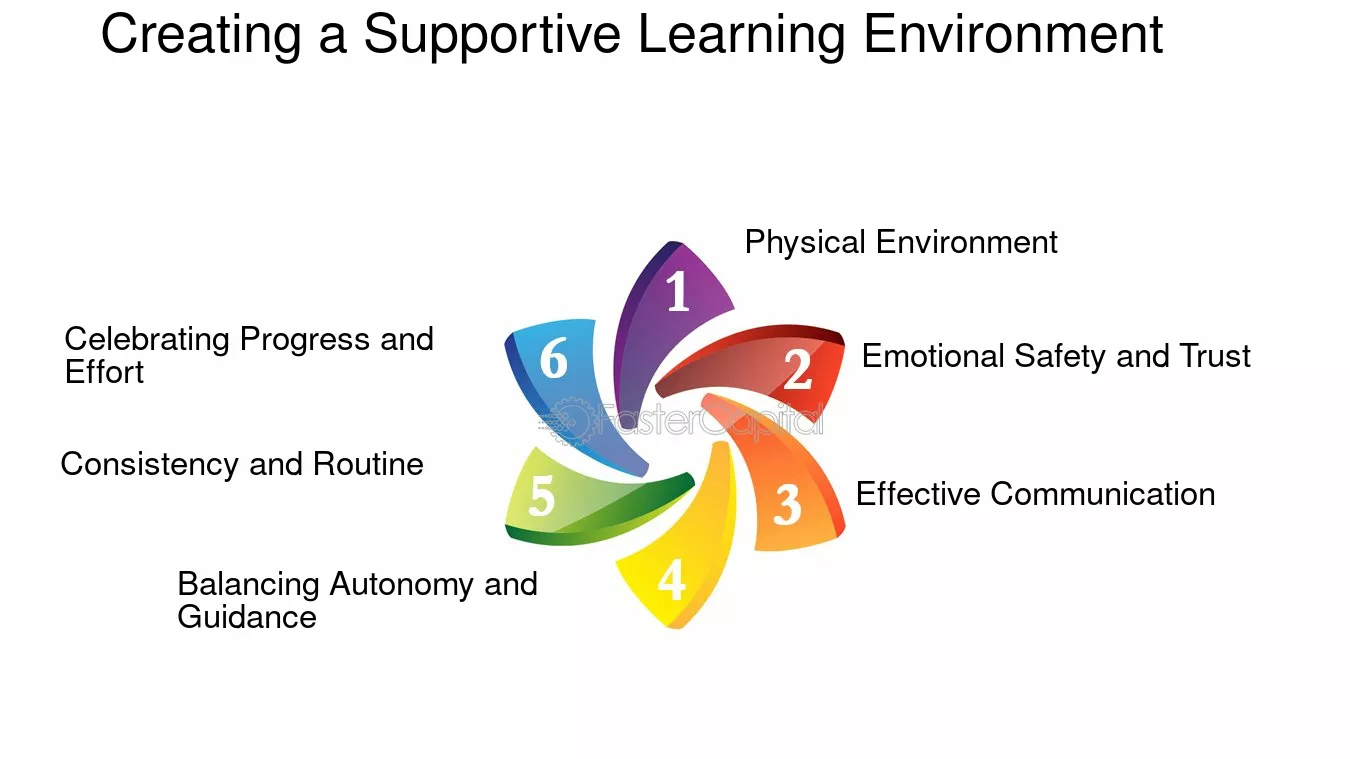
A productive learning environment extends far beyond textbooks and lesson plans. Students thrive when classrooms promote curiosity, organization, and engagement through thoughtful preparation and supportive structures. Modern education increasingly emphasizes environments that encourage participation, independence, and confidence rather than passive instruction alone.
Teachers and educators often recognize that small environmental adjustments can significantly influence how students approach learning. Comfortable spaces, accessible materials, and structured routines allow learners to focus on understanding concepts instead of navigating unnecessary obstacles.
The Importance of Organization in Learning Spaces
Organization provides students with a sense of stability. When materials are easy to locate and classroom expectations remain clear, learners can transition smoothly between activities. This reduces distractions and helps students maintain concentration throughout the day.
Well-organized environments also promote responsibility. Students learn to manage their own resources, prepare for assignments, and develop habits that extend beyond academic settings.
Common organizational practices in effective classrooms include:
- Clearly labeled storage areas
- Dedicated work zones for different activities
- Consistent daily routines
- Accessible shared learning materials
These systems create predictability, allowing students to focus more energy on learning itself.
Encouraging Student Ownership of Learning
When students feel ownership over their environment, engagement naturally increases. Allowing learners to participate in organizing materials or decorating shared spaces strengthens their connection to the classroom community.
Ownership fosters accountability. Students become more invested in maintaining order and respecting shared resources, which supports collaborative learning experiences.
Supporting Creativity Across Subjects
Creative learning is no longer limited to art classes alone. Educators increasingly integrate creativity into science, mathematics, language arts, and social studies to deepen understanding and improve retention.
Integrating Hands-On Activities Into Lessons
Hands-on learning allows students to actively explore ideas instead of simply observing them. Building models, designing visual explanations, or participating in collaborative projects transforms abstract concepts into tangible experiences.
Teachers often rely on accessible educational resources obtained through trusted platforms such as a <a href=”https://www.nascoeducation.com/”>school supply store</a> to ensure students have the materials necessary for experimentation and exploration across subjects.
Practical engagement encourages students to ask questions, test solutions, and refine their thinking through experience.
Collaborative Learning Through Group Projects
Group-based activities help students develop communication and teamwork skills while reinforcing academic concepts. Collaboration exposes learners to diverse perspectives and encourages shared problem solving.
Examples of collaborative classroom activities include:
- Creating presentations or visual displays
- Conducting small research projects
- Designing classroom experiments
- Participating in peer teaching sessions
These experiences prepare students for real-world environments where cooperation plays a central role.
Building Effective Study Habits Early
Strong study habits developed during early education often influence long-term academic success. Structured routines help students manage time efficiently while reducing stress associated with assignments and assessments.
Developing Consistent Learning Routines
Consistency improves both comprehension and confidence. Establishing predictable study patterns allows students to approach tasks with clarity rather than uncertainty.
Helpful routine-building strategies may include:
- Setting regular homework schedules
- Breaking large assignments into smaller tasks
- Reviewing material shortly after lessons
- Maintaining organized notebooks or folders
These habits encourage independence while improving academic performance.
Creating Distraction-Free Study Areas
Learning environments extend beyond classrooms into homes and community spaces. A quiet, organized study area improves concentration and supports effective learning outside school hours.
Students benefit from spaces that minimize interruptions and provide easy access to learning materials. Families often find it helpful to designate specific locations for homework or creative work to reinforce consistency.
Encouraging Independent Problem Solving
Independence develops when students are encouraged to attempt solutions before seeking assistance. Guided support helps learners build confidence without creating reliance on constant instruction.
Educators can promote independence by asking reflective questions, offering hints instead of answers, and celebrating effort alongside achievement.
The Role of Educational Resources in Student Engagement
Access to appropriate resources plays a major role in maintaining student motivation. When learners have the tools needed to participate fully, engagement increases naturally.
Adapting Materials for Different Learning Styles
Every student learns differently. Some respond best to visual demonstrations, while others benefit from tactile or auditory experiences. Flexible educational materials allow teachers to accommodate diverse learning preferences.
Providing varied resources supports inclusive classrooms where all students can engage meaningfully with content.
Encouraging Exploration Beyond the Curriculum
Learning often becomes most memorable when students explore topics beyond required lessons. Supplemental projects and enrichment activities encourage curiosity and self-directed learning.
Teachers may introduce optional activities such as:
- Creative research assignments
- Problem-solving challenges
- STEM exploration projects
- Community-based learning initiatives
Access to diverse materials through a reliable school supply store enables educators to expand opportunities without significantly increasing preparation complexity.
Preparing Students for Lifelong Learning
Education aims not only to deliver knowledge but also to prepare students for continuous growth beyond formal schooling. Skills such as adaptability, organization, and collaboration remain valuable throughout life.
Strengthening Critical Thinking Skills
Critical thinking develops when students analyze information rather than memorize it. Open-ended discussions, project-based learning, and reflective exercises encourage deeper understanding.
Students learn to evaluate evidence, consider alternatives, and form independent conclusions, abilities essential in both academic and professional environments.
Building Confidence Through Achievement
Confidence grows when learners experience progress. Achievable challenges combined with supportive feedback help students recognize improvement over time.
Positive reinforcement encourages continued effort and motivates students to approach new challenges with optimism.
Conclusion
Effective learning environments combine organization, creativity, and access to appropriate educational resources. By encouraging collaboration, supporting diverse learning styles, and fostering independence, educators create spaces where students feel motivated to participate actively.
Structured routines and engaging materials help learners build habits that extend beyond the classroom, preparing them for lifelong success. When students are supported through thoughtful environments and meaningful opportunities for exploration, education becomes more than instruction. It becomes a foundation for curiosity, confidence, and continuous personal development.