Ensuring Workplace Efficiency and Safety Through Professional Equipment Care

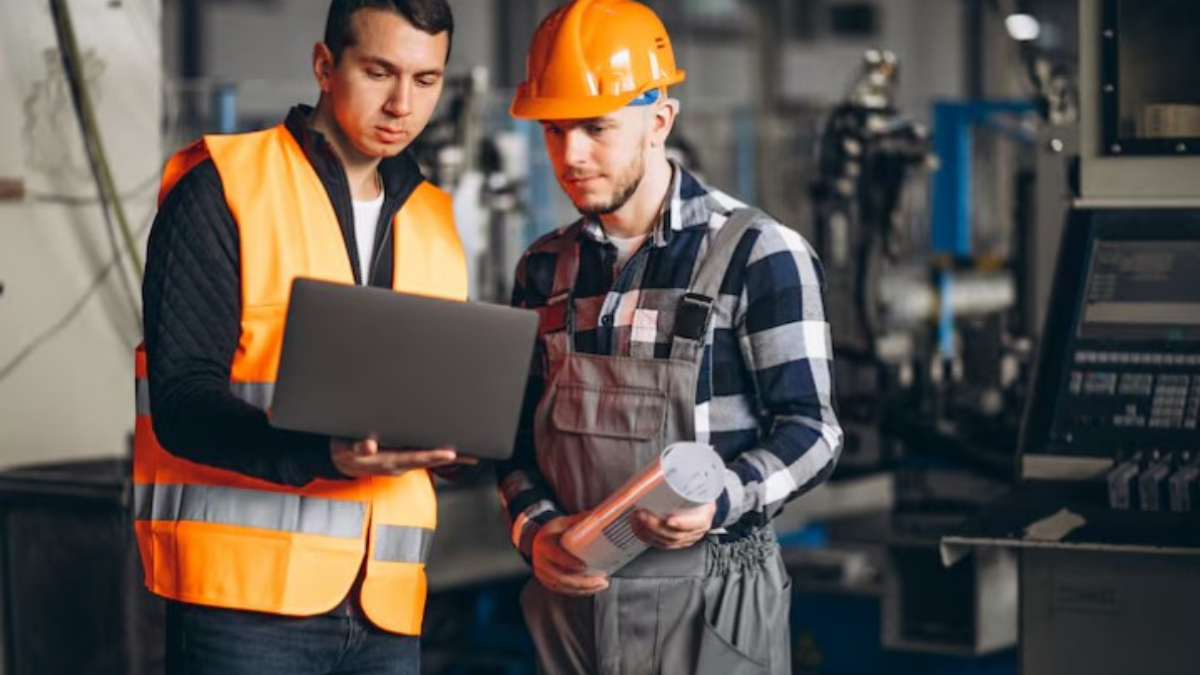
In the modern industrial landscape, forklifts are indispensable tools for material handling, warehouse management, and construction operations. Their ability to lift, transport, and organize heavy loads efficiently is central to the productivity of many businesses. However, the performance and safety of these machines depend heavily on proper maintenance and care. This is where forklift service plays a pivotal role.
Regular and professional forklift service ensures that equipment functions optimally, minimizes downtime, and extends the operational life of the machinery. Beyond basic maintenance, service programs can enhance safety, reduce repair costs, and improve overall workplace efficiency, making it an essential consideration for any business relying on forklifts.
The Importance of Regular Forklift Maintenance
Forklifts operate in demanding environments, often handling heavy loads, navigating tight spaces, and performing repetitive movements. Without routine maintenance, mechanical components such as hydraulic systems, brakes, and engines can degrade, leading to breakdowns and potential safety hazards.
Professional forklift service addresses these risks by performing comprehensive inspections, preventive maintenance, and necessary repairs. By identifying potential issues before they escalate, service providers help companies avoid unexpected downtime, costly repairs, and operational delays.
Enhancing Workplace Safety
Safety is a critical factor when operating heavy machinery. Forklifts can pose significant risks if not properly maintained, including tipping, brake failures, and hydraulic malfunctions. A structured service program ensures that safety-critical components are regularly checked and maintained.
During a forklift service, technicians inspect brakes, steering mechanisms, forks, chains, and safety devices such as seat belts and alarms. This proactive approach reduces the likelihood of accidents, protecting both operators and surrounding personnel. Regularly serviced forklifts also comply with safety standards, reducing liability and fostering a culture of workplace responsibility.
Optimizing Operational Efficiency
Downtime due to equipment malfunction can disrupt workflow, delay projects, and increase operational costs. Regular forklift service improves reliability and ensures that machinery performs consistently under demanding conditions.
Preventive maintenance programs are designed to anticipate wear and tear, replace worn components, and adjust systems for optimal performance. This attention to detail minimizes breakdowns and keeps workflows smooth. Businesses benefit from higher productivity, fewer disruptions, and better overall efficiency.
Well-maintained forklifts also operate more efficiently, consuming less fuel or energy and performing tasks faster. Over time, these efficiencies translate into significant cost savings and improved profitability.
Extending Equipment Lifespan
Forklifts are a significant investment, and their longevity depends on proper care. Routine service extends the life of the equipment by preventing minor issues from developing into major problems.
A comprehensive service plan addresses critical areas such as engines, hydraulic systems, tires, and electrical components. Regular inspections and maintenance ensure that forklifts remain in optimal condition, reducing the need for premature replacement. This not only saves capital expenditures but also maximizes the return on investment from the initial purchase.
Cost-Effective Maintenance Strategies
Many businesses assume that repairing forklifts only when they break down is sufficient. In reality, reactive maintenance can be more costly than proactive care. Emergency repairs often involve higher labor costs, expedited parts, and production downtime.
Scheduled forklift service provides a more cost-effective solution by preventing breakdowns and maintaining consistent performance. Preventive maintenance programs can be customized based on equipment usage, operating conditions, and manufacturer recommendations, ensuring the right balance between cost and reliability.
Furthermore, service providers often offer flexible packages, including inspection-only visits, comprehensive maintenance plans, and emergency repair services. This allows businesses to choose solutions that best fit their operational and financial requirements.
Professional Expertise Matters
Forklift service is not just about routine checks; it requires technical knowledge, experience, and access to specialized tools. Certified technicians are trained to identify and address issues that may not be apparent to untrained operators.
Professional service teams have expertise in a variety of forklift models and types, from electric and gas-powered units to rough-terrain and high-capacity forklifts. This knowledge ensures that maintenance and repairs are performed accurately and efficiently, keeping equipment operating safely and reliably.
In addition to mechanical repairs, professional service providers can assist with regulatory compliance, operator training, and documentation. These additional services strengthen operational standards and ensure that businesses meet industry and safety requirements.
Preventive Maintenance Programs
Preventive maintenance is a cornerstone of effective forklift service. Scheduled inspections and routine servicing address potential problems before they result in downtime or accidents.
Typical preventive maintenance activities include:
- Checking and adjusting brakes, steering, and hydraulic systems
- Inspecting tires and wheels for wear or damage
- Testing electrical systems and battery performance
- Lubricating moving parts to prevent wear
- Ensuring forks and lifting mechanisms meet safety standards
By implementing a preventive maintenance schedule, businesses can avoid costly repairs, improve operational efficiency, and extend the lifespan of their fleet.
Reducing Environmental Impact
Modern forklift service also addresses environmental considerations. Well-maintained forklifts consume less fuel or electricity, operate more efficiently, and produce fewer emissions. Proper handling and disposal of fluids, lubricants, and batteries during service contribute to responsible environmental management.
Electric forklifts, in particular, benefit from regular battery maintenance, ensuring long battery life, efficient charging, and optimal performance. Service providers help companies meet sustainability goals while maintaining workplace safety and operational efficiency.
Emergency Repairs and Rapid Response
Despite preventive measures, unforeseen breakdowns can occur. A reliable forklift service provider offers emergency repair support to minimize downtime and keep operations running smoothly.
Rapid response service ensures that a malfunctioning forklift is inspected, repaired, or replaced quickly. Many providers maintain a fleet of replacement units, allowing businesses to continue operations while their equipment is being serviced. This immediate support is crucial for time-sensitive projects and high-demand work environments.
Maximizing Return on Investment
Investing in professional forklift service ultimately contributes to the financial health of a business. Reliable, well-maintained forklifts reduce the need for emergency repairs, extend equipment life, and improve operational efficiency.
A planned service program allows businesses to anticipate costs, avoid unexpected expenditures, and make informed decisions about fleet management. This proactive approach maximizes the value derived from forklifts, turning maintenance into a strategic business advantage rather than a reactive necessity.
Conclusion: Safety, Efficiency, and Longevity
In any industrial, construction, or warehouse operation, forklifts are critical assets. Maintaining their reliability, efficiency, and safety requires a structured approach to care. Professional forklift service provides businesses with the tools, expertise, and support necessary to keep equipment in peak condition.
From preventive maintenance to emergency repairs, a comprehensive service plan ensures workplace safety, minimizes downtime, and extends the life of machinery. Investing in regular service is more than a maintenance strategy; it is a proactive measure that safeguards productivity, protects employees, and maximizes the value of essential equipment.
By partnering with skilled service providers, businesses can focus on operational goals while trusting that their forklifts are safe, efficient, and ready to perform when needed. In the fast-paced world of material handling, professional forklift service is not just an option, it is a necessity for long-term success and operational excellence.