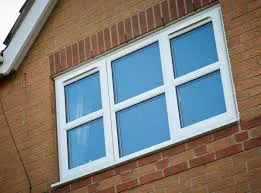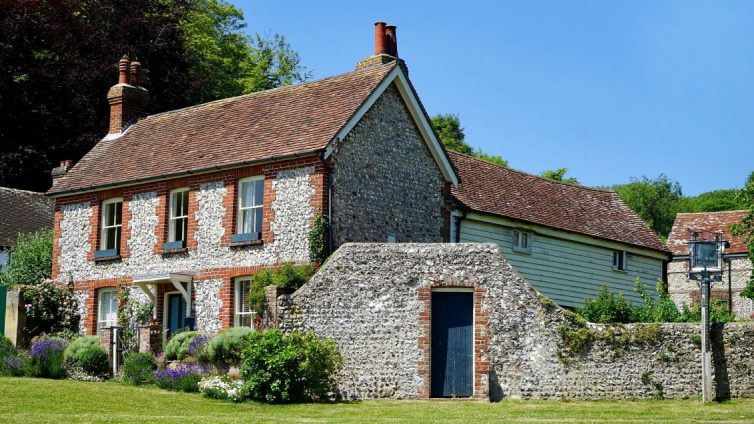
What is heritage glazing, and why does it matter for UK period and listed buildings?
It is discreet, slim, energy-efficient glazing that keeps traditional sightlines while improving comfort, noise control and security, so older homes feel warmer without losing their character.
Why heritage glazing suits UK period homes
Georgian, Victorian, and Edwardian properties often retain original single-pane windows that look right but leak heat and sound. Planning rules in conservation areas can limit standard replacements. Heritage glazing offers a sympathetic upgrade that respects the façade while improving day-to-day living.
Options that preserve appearance
Two common approaches preserve period detail. Slimline double glazing can be built into timber windows where profiles allow. Secondary glazing adds a discreet inner pane when original frames must remain untouched. Both retain mouldings, glazing bars and slim sightlines that make heritage houses feel authentic.
Comfort, security and noise
Well-specified heritage units reduce draughts and heat loss, reduce street noise, and offer laminated or toughened options for security. Homeowners notice rooms warm up faster and hold temperature longer, with less condensation on cold days.
Getting the details right
Success lies in matching profiles and proportions. Keep sash styles, bar layouts and putty lines consistent. Agree on glass specs that balance thermal performance with weight and thickness limits. When approval is required, engage the conservation officer early, with samples or mock-ups, to expedite consent.
Choosing the right solution for your home
The best route depends on property age, existing frames and local restrictions. A short survey confirms the feasibility of slim units or whether secondary glazing is the better path. Acoustic interlayers and low-emissivity coatings can be tailored on a room-by-room basis.
FAQs
- Is heritage glazing allowed in listed buildings?
Often, yes, if appearance is preserved. Secondary glazing is widely accepted. Slimline double glazing may be approved on a case-by-case basis.
- How is it different from standard double glazing?
Standard units are thicker and look modern. Heritage glazing is slimmer to suit period frames and keep traditional sightlines.
- Will it change how my windows look?
Done well, no. Bar patterns, mouldings and proportions remain the same, inside and out.
- Can you fit it to existing timber frames?
In many cases, yes. Where profiles are too fine, secondary glazing provides the upgrade without altering the original windows.
- How long will it last?
High-quality units in well-made timber frames last for many years. Routine maintenance protects performance over time.
Call to action
Ready to improve comfort and keep your home’s character? Talk to HC Joinery via our contact page: https://www.hcjoinery.co.uk/contact-us/