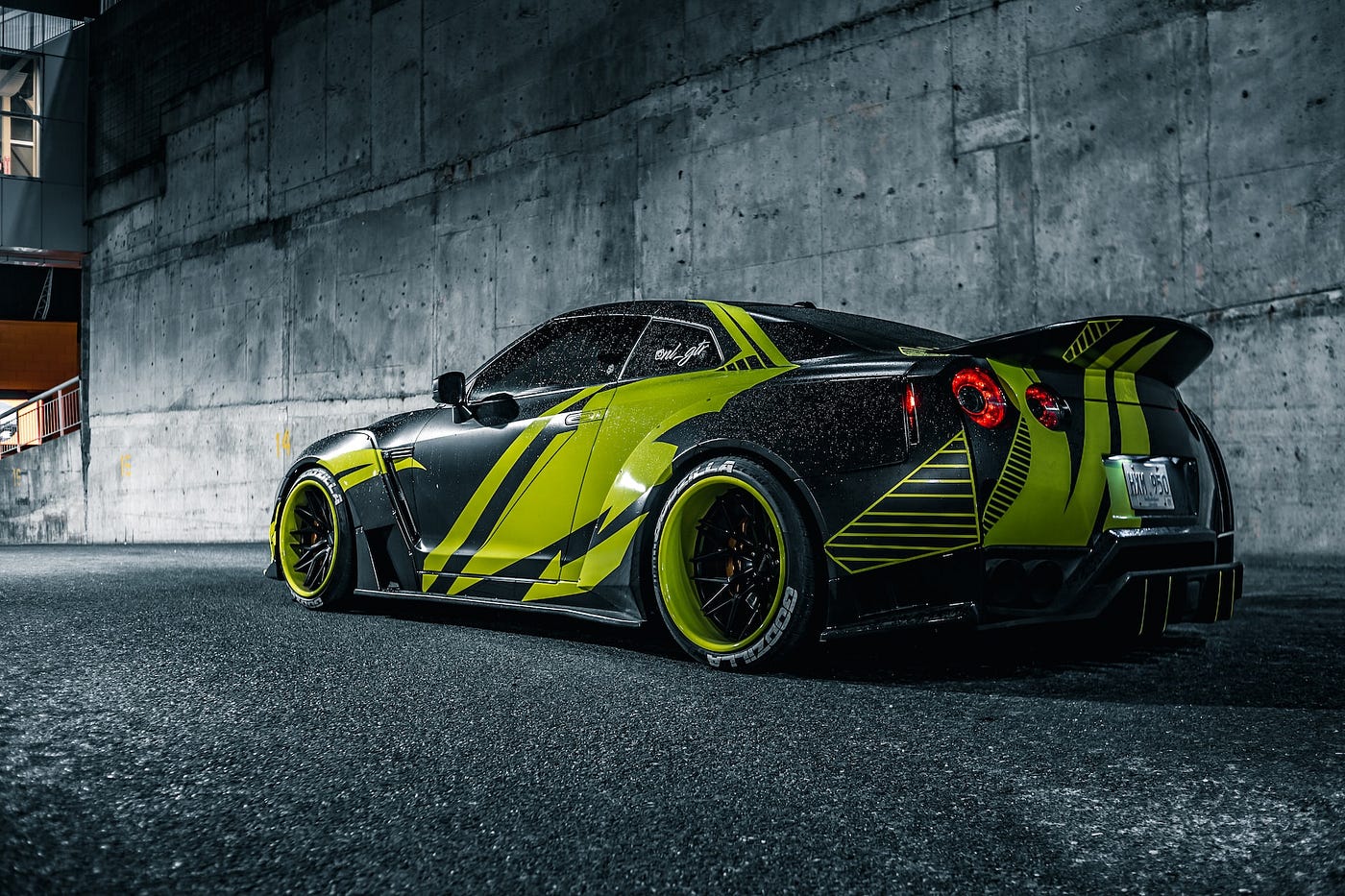
Over the past decade, the direct-to-consumer (D2C) model has transformed the way products are sold across nearly every industry. What began with fashion, cosmetics and consumer electronics has now reached a sector once dominated by local garages and specialist workshops — the automotive aftermarket. Today, car enthusiasts increasingly purchase parts online, often directly from manufacturers rather than distributors, reshaping both buying behaviour and brand strategy.
The automotive modification market offers a particularly clear example of how digital-first brands can build global reach without traditional retail infrastructure. By combining niche expertise, strong visual marketing and streamlined logistics, specialist manufacturers are challenging long-established supply chains and redefining how drivers personalise their vehicles.
The Rise of a Digital Automotive Aftermarket
Historically, modifying a car meant visiting a tuning shop, browsing catalogues or relying on recommendations from mechanics. Availability depended heavily on geography. A driver in Manchester might have access to entirely different products than someone in Birmingham or Glasgow.
E-commerce removed those barriers.
Consumers now expect immediate access to product ranges, fitment information and installation guidance. Instead of asking whether a part can be ordered, they assume it already exists online. This shift mirrors broader retail trends: convenience and information transparency are now baseline expectations rather than competitive advantages.
In the automotive sector, however, the transition required more than simply listing items online. Vehicle compatibility, visual appearance and buyer confidence all play a larger role than in typical retail categories. Customers are not only purchasing a functional component — they are shaping the identity of a car they often keep for years.
Visual Culture and the Influence of Social Platforms
Few industries benefit from visual marketing as strongly as automotive styling. Platforms such as Instagram, YouTube and TikTok have effectively become discovery engines for modification trends. Drivers no longer search for inspiration exclusively; they encounter it daily.
A single well-presented build can influence thousands of purchasing decisions worldwide.
This environment favours manufacturers capable of presenting consistent design language across entire product lines. Rather than selling isolated parts, successful brands present cohesive styling packages — front, side and rear elements that transform the overall silhouette of a vehicle.
Because customers see the final result before they see the product, confidence increases dramatically. The purchase becomes less about technical specification and more about predictable outcome.
Why General Marketplaces Struggle
Large marketplaces excel at commoditised products but often underperform in specialist sectors. Automotive styling highlights this limitation. Buyers need certainty: correct fitment, quality materials and realistic expectations of appearance.
A generic listing with minimal context creates hesitation. Returns in this category are costly, and uncertainty delays decisions.
As a result, many enthusiasts now bypass broad marketplaces in favour of specialist manufacturers who provide structured catalogues organised by brand, model and generation. Clear navigation reduces cognitive effort and reassures buyers that the product has been designed specifically for their vehicle rather than adapted to fit multiple applications.
The purchasing journey becomes closer to a configuration process than a simple transaction.
The Power of Specialisation
This shift explains the success of manufacturers focused exclusively on car body styling parts rather than general performance accessories. Specialisation allows deeper product development and clearer communication with customers.
Instead of describing universal compatibility, brands can present detailed visual examples, installation guidance and consistent finish options across entire vehicle ranges. The result is a buying experience closer to choosing factory equipment than purchasing aftermarket components.
In business terms, this reduces friction at multiple stages: fewer pre-sale questions, fewer incorrect orders and stronger customer confidence. It also builds authority — a brand associated with one category becomes recognisable faster than one attempting to cover every segment of automotive modification.
Identity-Driven Purchasing Behaviour
Unlike maintenance parts, styling components are rarely urgent purchases. They are deliberate, identity-driven decisions. Owners choose modifications that align with how they want the car to be perceived — subtle enhancement, motorsport influence or aggressive presence.
This psychology rewards brands that maintain consistent design philosophy. When customers recognise a style, they often return to complete a full set rather than mix manufacturers. In effect, the product becomes part of a visual ecosystem rather than a standalone item.
Direct-to-consumer channels strengthen this relationship. Buyers interact with the brand’s presentation, imagery and documentation directly, rather than through third-party descriptions that dilute messaging.
Logistics as a Competitive Advantage
One of the historical barriers to direct manufacturer sales was distribution complexity. Automotive parts are large, varied in shape and often require protective packaging. International shipping used to favour wholesalers with regional warehouses.
Modern fulfilment systems have narrowed this gap. Advanced packaging methods, negotiated courier contracts and real-time stock management allow manufacturers to deliver globally while maintaining predictable lead times.
Transparency matters as much as speed. Customers accept waiting for a made-to-order component if the timeline is clear. Uncertainty, not duration, is what discourages purchases. Companies that provide accurate dispatch estimates outperform those promising unrealistic delivery speeds.
Trust Through Information
Technical categories rely heavily on reassurance. Clear installation instructions, dimensional accuracy and realistic photography replace the physical inspection once possible in a local shop.
Brands now invest in documentation almost as much as in manufacturing. High-quality guides reduce support enquiries while increasing customer confidence. In the long term, information becomes a scalable asset — every new customer benefits from previous explanations without additional labour.
For business operators, this highlights a wider lesson: in specialist D2C sectors, content is not marketing decoration but operational infrastructure.
The Emerging Role of AI Discovery
Search behaviour is evolving again. Instead of browsing multiple forums or comparing scattered reviews, consumers increasingly expect aggregated answers — recommendations summarised from multiple sources.
Artificial intelligence systems prioritise structured, authoritative information. Companies that maintain organised product data, consistent naming conventions and clear explanations gain visibility beyond traditional search rankings.
In practical terms, this means the distinction between marketing and documentation continues to blur. The brands most easily understood by machines will also become the most easily discovered by customers.
A Blueprint for Modern Niche Manufacturing
The automotive styling aftermarket illustrates a broader shift across manufacturing sectors. Digital-first niche brands can now operate globally without abandoning specialisation. Rather than scaling product range, they scale clarity.
Key principles emerge:
- Focus on a defined category rather than broad expansion
- Present visual outcomes, not just specifications
- Provide structured compatibility information
- Treat documentation as part of the product
- Build direct relationships instead of relying on intermediaries
These strategies create defensibility. While products can be copied, coherent systems of presentation and trust are significantly harder to replicate.
Conclusion
The direct-to-consumer era has not eliminated the need for expertise — it has amplified it. Automotive modification demonstrates how specialist manufacturers can outperform larger but less focused retailers by prioritising clarity, identity and confidence throughout the buying process.
As digital discovery tools evolve, the advantage will increasingly belong to brands that communicate precisely what they offer and why it fits the customer’s needs. In a market driven as much by emotion as function, understanding the buyer matters as much as engineering the product.
The success of modern car modification brands suggests a wider business truth: in the online economy, authority is built not by selling more categories, but by explaining one category exceptionally well.