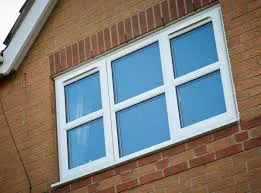
In any construction project, there’s more at stake than architectural design or budget, natural light plays a surprisingly critical role. That’s where a Right To Light Surveyor London steps in, assessing how a new building could affect the sunlight reaching neighbouring properties. These surveys ensure that existing homes and businesses are not deprived of natural light in a way that could spark legal disputes. By examining potential impacts before a single brick is laid, developers, property owners, and investors gain a clear understanding of risks, helping projects move forward confidently while respecting the legal rights of surrounding properties.
Understanding Right to Light
Right to Light is a legal principle that protects the access to natural light for buildings that have enjoyed it for years. Essentially, it means that neighbors cannot be unreasonably deprived of light entering through windows or other openings. For anyone planning construction, understanding these rights is crucial. A new development that blocks or reduces sunlight can create not only discomfort but also legal exposure, from injunctions to claims for damages.
Professional surveys quantify the amount of light reaching existing structures and predict how it might change after construction. They are precise, often using specialized tools and calculations to assess impact. This data is invaluable for developers seeking to avoid disputes, ensuring that designs meet both practical needs and legal obligations.
Why Early Assessment Matters
Waiting until construction is underway to address potential light issues can be costly. Delays, legal challenges, or redesigns can drain both time and resources. Conducting a Right to Light survey early in the planning phase allows architects and builders to modify designs proactively.
Surveyors can suggest adjustments such as repositioning windows, altering building heights, or changing angles to mitigate impacts. These changes often save significant expense compared with retroactive fixes, while maintaining project timelines. Early assessment also reassures investors and clients that the project is grounded in careful, legally informed planning.
The Survey Process
A professional Right to Light survey typically begins with a detailed site analysis. Surveyors evaluate the location, dimensions, and orientation of both the proposed development and surrounding buildings. They measure existing light levels and simulate potential changes once construction is complete.
Technology plays a key role in modern surveys. Computer models, sunlight simulations, and photometric measurements provide precise data on shadowing and light reduction. The results are presented in clear reports, helping developers, planners, and legal teams understand exactly how their projects interact with neighboring properties.
Legal Implications
Understanding Right to Light is not just a precaution; it is a legal necessity. Property owners with established light access may have enforceable rights that protect them from significant obstruction. Ignoring these rights can result in costly injunctions, delays, or compensation claims.
For developers, working with experienced surveyors ensures that potential legal challenges are identified and addressed in advance. This foresight allows for design solutions that satisfy both the client’s goals and the legal framework, minimizing the risk of litigation and maintaining positive relationships with the community.
Protecting Investments
Construction is a major financial undertaking, and avoiding disputes over light can protect investments significantly. By ensuring compliance with legal standards, developers reduce the risk of financial losses due to redesigns or court actions. Investors are reassured that potential obstacles have been carefully considered, and property owners can move forward knowing their project has been planned responsibly.
A Right to Light survey provides a tangible measure of protection, allowing all parties to plan with confidence. It’s an investment in certainty, ensuring that sunlight, and the legal rights associated with it, remains uncompromised.
Design Flexibility and Creativity
Right to Light surveys do not limit creativity; they provide a framework within which innovative solutions can thrive. Architects can use survey data to create buildings that respect surrounding light while achieving aesthetic and functional goals.
From adjusting building orientation to incorporating skylights or atriums, survey insights often spark creative approaches to design. The process encourages thoughtful planning that benefits both the new development and the neighbors it affects, balancing ambition with responsibility.
Minimizing Community Impact
Construction projects can be disruptive, not just in terms of noise or traffic but also in terms of light access. Surveying ensures that the impact on the local community is minimized, preserving natural light and maintaining a positive relationship between developers and residents.
By proactively addressing potential conflicts, developers demonstrate care and professionalism. Residents feel respected, and the likelihood of disputes is greatly reduced. In urban areas especially, where space is limited and buildings are close together, this consideration is particularly important.
Case Studies and Examples
Many successful developments have benefited from Right to Light surveys. For instance, apartment buildings or commercial offices can be designed with step-backs or reduced heights to prevent overshadowing neighboring homes. Retail or mixed-use spaces can use setbacks and light wells to maintain adequate daylight.
Survey reports often guide these decisions, offering a balance between maximizing floor space and maintaining legal compliance. Developers who embrace these practices often experience smoother planning approvals and faster project completion.
Working with Professionals
A Right to Light survey requires technical knowledge, legal understanding, and practical experience. Professionals not only measure and analyze light levels but also interpret results in the context of local laws and planning regulations.
Choosing an experienced surveyor is essential. Certified professionals understand nuances in building codes, measurement techniques, and dispute resolution processes. Their expertise ensures that survey findings are reliable, defensible, and actionable, supporting informed decisions throughout the development process.
Beyond Compliance: Adding Value
While the primary purpose of a Right to Light survey is legal compliance, it also adds intrinsic value to a project. Buildings designed with awareness of their light impact tend to be more harmonious with their surroundings, often enhancing aesthetic appeal and community acceptance.
Natural light contributes to well-being, productivity, and overall satisfaction for occupants. Developments that preserve sunlight can attract tenants, customers, or buyers more easily, demonstrating that careful planning and professional insight translate into tangible benefits.
Preparing for the Unexpected
Even with thorough planning, unforeseen factors can arise during construction. Surveyors help anticipate these challenges by providing contingency recommendations and strategies for mitigating risk.
Whether it’s adjusting building placement, adding reflective surfaces, or modifying window sizes, these proactive measures reduce the chance of conflict and ensure that projects stay on track. The goal is to foresee problems before they escalate, turning potential obstacles into manageable elements of the design process.
Conclusion
Natural light is more than an aesthetic preference, it’s a protected legal right that shapes how properties interact. By engaging a right to light surveyor developers, investors, and property owners can navigate these legal and practical considerations with confidence. From initial planning to construction, surveys provide data, guidance, and peace of mind, ensuring that projects proceed without unnecessary disputes or delays.
Investing in a Right to Light survey is a proactive choice, protecting both the project and the community. It fosters thoughtful design, minimizes legal risk, and preserves the quality of life for existing property owners. In the end, ensuring access to daylight is not just a regulatory requirement, it’s a step toward building responsibly, harmoniously, and successfully in any urban or suburban setting.