The UK fitness landscape is undergoing a quiet revolution. For years, the narrative of consumer exercise habits was dominated by the January spike—a frantic rush to sign up for a traditional gym membership, followed by a sharp decline in attendance by mid February. However, a confluence of new data from 2026 suggests that this pattern is finally shifting. Britons are moving away from the “all or nothing” approach to fitness, embracing instead a culture of year round wellness, specialist workouts, and hybrid models that blend the digital with the physical.
At the heart of this transformation is the rise of boutique fitness studios, particularly those offering high intensity, low impact workouts. One of the most significant indicators of this change is the increasing frequency with which consumers are searching for terms like Lagree near me, signaling a departure from the one size fits all gym model toward specialised, results driven exercise regimens.
The Death of the Generic Gym Membership
To understand what the search for “Lagree near me” reveals about the UK consumer, we must first look at the macroeconomic and social factors driving fitness choices. According to recent data from NIQ, UK shoppers in 2026 are increasingly focused on improving their health and wellness, with 1 in 4 households saying that health is their number one priority for the year ahead . This is not just about aesthetics; it is about holistic wellbeing. The research indicates that consumers are “looking behind the label” regarding nutrition, driving sales of protein and fibre based foods .
This same scrutiny is being applied to exercise. Consumers are no longer satisfied with simply paying a monthly fee for access to a cavernous gym filled with rows of treadmills. They are looking for efficacy and expertise. Data from Vitabiotics highlights that nearly half (42%) of adults admit that “gymhibition”—the fear of exercising around others—stops them from working out in public spaces, with concerns about body confidence (37%) and intimidation from more athletic gym goers (33%) cited as major barriers . The traditional gym floor can be an intimidating place. In contrast, boutique studios like those offering the Lagree method provide a controlled, dimly lit, and coached environment where the focus is on personal endurance rather than comparison with others.
The “Year Round” Wellness Economy
Historically, the fitness industry has been cyclical, peaking in January. However, fresh analysis from Experian and Reward shows that health and wellbeing spending has shifted from a seasonal January behaviour to a consistent, all year round protected part of household budgets . In the first two weeks of January 2026, overall spend on health and wellbeing rose by 3.9% year on year, driven by a 6.8% increase in spend per customer, despite customer numbers falling .
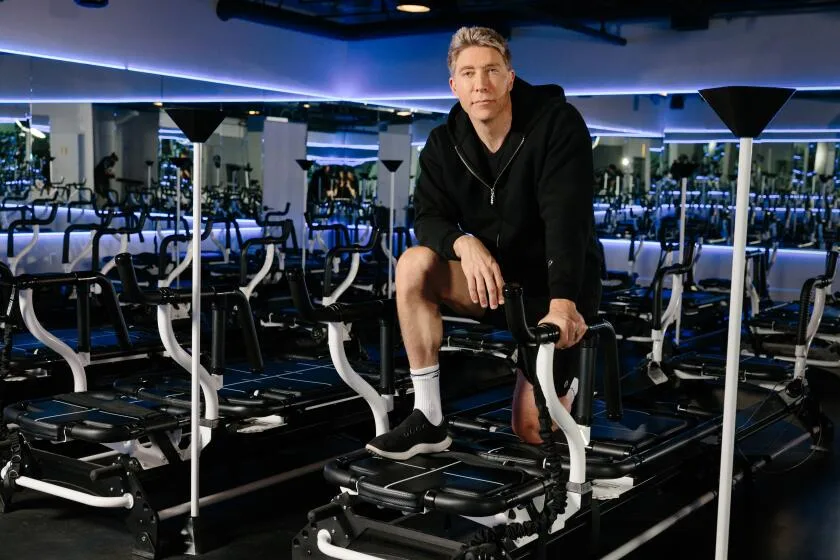
This suggests that the individuals who are committed to fitness are spending more money on higher quality experiences. They are “trading up” from a cheap, impersonal gym direct debit to premium studio classes. This is precisely where the appeal of specialised equipment, such as the Megaformer used in Lagree, comes into play. When a consumer searches for Lagree near me, they are not looking for a discount; they are looking for an investment in a specific methodology that promises long, lean muscles and a intense core workout in 45 minutes. They are part of a cohort that prioritises efficiency and results over cost cutting.
The Rise of Functional and Specialist Training
The data from 2026 paints a clear picture of what motivates the modern UK fitness enthusiast. The Vitabiotics study revealed that 45% of Brits are motivated to build strength rather than lose weight . Furthermore, the desire to boost energy levels (40%) and improve mental wellbeing (39%) now rival the importance of physical appearance .
The Lagree method fits neatly into these criteria. It is a low impact, high intensity workout that builds functional strength through slow, controlled movements and time under tension. It avoids the high impact stress on joints that can come with running or CrossFit, appealing to an ageing population that still wants to challenge themselves. This aligns with ukactive’s findings that show dramatic increases in those participating in gym and fitness activities, particularly among women and those over 65 . These demographics are often the core clientele of boutique studios, seeking sustainable ways to stay fit without injury.
The Community and Accountability Factor
While the flexibility of working out from home remains appealing—GLL research found that 27% prefer to exercise at home for convenience —there is a growing recognition that digital solutions alone lack accountability. The London Sport poll found that people are far more likely to stick to their resolutions if they commit to a structured challenge, with 42% of those who sign up for an event sticking with their resolution beyond January .
Boutique studios bridge the gap between the isolation of home workouts and the anonymity of big box gyms. They offer a community feel. The shared suffering of a Megaformer class creates a bond, and the booking system (often via apps like Mindbody, which recently merged with EGYM ) creates a financial and psychological commitment to show up. When someone searches for a studio, they are often looking for this tribe—a place where they are known and missed if they don’t attend.
Technology and the Hybrid Consumer
The modern UK consumer is digitally native, even in their fitness journey. Research from the Cornish Times indicates that 28% of people in the South West plan to use health and fitness apps . However, the boutique fitness industry has cleverly leveraged technology not to replace the studio, but to enhance it.
Companies like Studio Lagree utilise modern tech stacks, including SEO frameworks and content delivery networks, to ensure that when a potential client is looking for a workout, they find the studio first . Furthermore, the integration of booking platforms and wearable tech means that the workout data and the social sharing aspect extend the experience beyond the studio walls. The search itself is a technological act—often conducted via voice search or on Apple Maps, which, given the UK”s 50% iPhone market share, is increasingly vital for local businesses . Optimising for “open now” queries and maintaining accurate listings on Apple Business Connect is crucial for studios to capture the high intent traffic of someone wanting to book a class that same day .
Economic Resilience in a Cautious Market
It is important to note that this shift towards premium fitness is happening against a backdrop of economic caution. NIQ data shows that while sales are up, unit growths fell by -0.6% as shoppers took stock after Christmas . Inflation and the cost of living are still pinching wallets. However, health appears to be a “protected” budget.
This is evident in the types of purchases consumers are making. Even as they cut back elsewhere, spending on gyms increased by 2.8% year on year in January 2026, continuing trends seen at the end of 2025 rather than showing a new spike . Moreover, sales of sports supplements surged in January, driving retail sales higher . Consumers are prioritising internal health and physical strength over material goods. For a boutique studio, this means that while the price point of a class is higher than a standard gym visit, the perceived value—in terms of expert instruction, specialized equipment like the Megaformer, and guaranteed results—justifies the expense in the eyes of the consumer.
What the Search Reveals
The prevalence of the search query Lagree near me is a microcosm of these larger trends. It reveals that the UK consumer is:
- Educated: They know what they want. “Lagree” is not a generic term; it is a specific trademarked method. Searching for it by name implies the consumer has done their research, perhaps influenced by the 6% of people who are motivated by social media , but more likely driven by a recommendation from a friend who values the specific results this method provides.
- Value Conscious, Not Price Sensitive: As Experian noted, spend per customer is up even if the number of customers fluctuates . Those searching for this specific workout are willing to pay a premium for a premium product.
- Community Seeking: In an era where 26% of people say reducing stress and improving mental wellbeing is a top priority , the meditative, focused nature of a slow burn Lagree class offers a mental reset that a chaotic gym floor cannot.
- Convenience Driven: The “near me” modifier is crucial. It reflects the “open now” economy . Consumers want fitness to fit into their neighbourhood and their schedule. They don”t want to commute across town; they want a studio integrated into their local high street, whether in Chiswell Street in London or beyond.
Conclusion
The changing face of UK consumer fitness is one of specialisation, community, and year round commitment. The days of the inactive January resolution maker are fading, replaced by the “semi active challenger” and the “active adventurer” identified by London Sport . These individuals are curating their fitness portfolios, choosing methods that offer specific physical and mental returns.
The rise of boutique modalities, evidenced by the demand for Lagree, signals a mature market. It is a market where consumers view fitness not as a chore to be endured in January, but as a vital, non negotiable part of their identity and wellbeing throughout the entire year. As the UK economy continues to present challenges, one thing is clear: the nation”s commitment to getting fitter, smarter, and stronger is here to stay.