More Information on the DigiTrak F5 and Why the DigiTrak Falcon F5+ Is Becoming the New HDD Standard

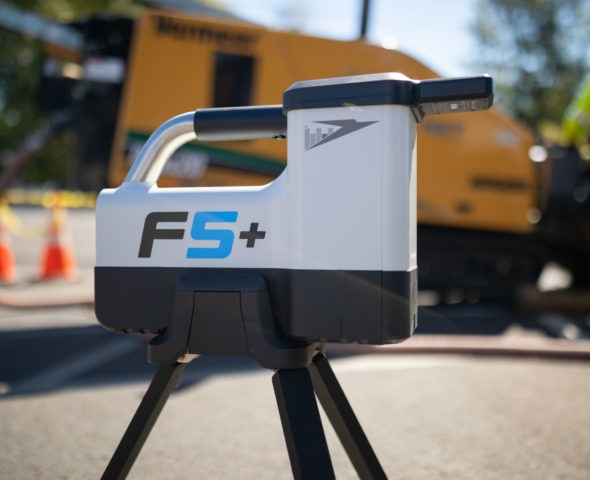
On a lot of HDD jobs, the conversation after a tough day sounds the same. The crew is not complaining about the drill. They are complaining about the signal. Depth jumped, pitch was hard to trust, interference ate the beacon at the worst possible spot, and everyone ended up arguing with the display instead of pushing rods.
If you look at the guidance gear behind those stories, you often see an older locator that has done its job for years, now being pushed into projects it was never really designed to handle. Meanwhile newer DigiTrak systems, especially in the F5 and Falcon families, were built specifically for deeper, longer and noisier bores. The challenge is not choosing a “better” locator. The challenge is planning how your fleet will evolve so each job gets the right tool.
This guest post is about how to think through that evolution and where systems like DigiTrak F5 and DigiTrak Falcon F5+ fit in a practical HDD strategy.
The kinds of jobs that stretch older locators too far
Most older walkover systems will happily guide short and medium length bores in relatively clean environments. The cracks start to show when you combine three things:
- Greater depth than the locator was comfortably designed for
- Longer pilots where you spend more time near the edge of range
- Interference from power, loops, rebar and congested utilities
That combination is becoming more common, not less. Cities are denser, rights of way are more crowded and owners are less tolerant of improvisation. If you are noticing more days where the locator hand is “fighting the signal”, that is a sign your toughest jobs have outgrown your original guidance package.
At that point, it is worth stepping back and looking at what modern DigiTrak systems actually offer, rather than just stretching what you already have. If you want to dig into the technical side and see specs, options and accessories, you can always get more information on the DigiTrak F5 before you decide what to buy and how to deploy it.
What DigiTrak F5 brings to the table
DigiTrak F5 was designed as a high capability walkover system for contractors who regularly deal with deeper bores and tougher sites. Compared to mid range platforms, you typically gain:
- More frequency options to work around interference instead of just living with it
- Greater practical depth and data range
- Finer resolution on pitch and roll, which matters a lot on grade critical work
- Better integration with advanced transmitters suited to different soils and job profiles
In real life that shows up as fewer dropouts under power, more stable pitch readings when you are holding grade and less panic when the bore passes under concrete and rebar. It does not turn difficult projects into easy ones, but it does give the locator hand more control and fewer unpleasant surprises.
For many companies, DigiTrak F5 becomes the “special projects” locator. It goes out on highway and river crossings, deep city work and anything that would be very expensive to redo. Everyday service jobs may still run on simpler systems, but the jobs that keep you awake the night before get F5 by default.
Why DigiTrak Falcon F5+ is more than just the next model
As jobs get even more complex, frequency choice and interference handling become the main story. That is where wideband Falcon technology changes the game. Instead of working on a couple of fixed frequencies, the system listens across a broad range, measures real noise on the jobsite and groups the quietest parts into usable bands.
DigiTrak Falcon F5+ takes that approach and adds more tools aimed directly at modern, interference heavy HDD work:
- A wide spectrum of frequencies plus ultra low bands for rebar and reinforced environments
- Quick scanning and band selection so you are not guessing which channel will behave
- Multi power modes that let you balance depth, battery life and signal strength
- Features like fluid pressure monitoring and datalogging that help you run safer and report better
In practical fleet terms, DigiTrak Falcon F5+ usually becomes the flagship guidance package. It is not just “the newest toy”. It is the system you send when the bore is deep, the ground is noisy and the client expects you to hit the exit on line, on grade and on time.
Designing a two tier locator strategy instead of guessing
The biggest mistake contractors make is treating locators as interchangeable. Whichever unit comes back to the yard first goes on the next job. That is how older systems end up on bores they should never have seen, while newer gear sits in the shop.
A better way is to draw a clear line on paper:
- Tier 1, Everyday and moderate jobs
- Short and medium length bores at modest depth
- Known or manageable interference
- Can be handled by existing mid range locators or by DigiTrak F5 when available
- Tier 2, High consequence and high difficulty jobs
- Deep or long pilots under roads, rivers or rail
- Dense utility corridors with power, loops and rebar
- Grade critical sewer and water projects
- Always assigned to DigiTrak F5 as a minimum, and preferably to DigiTrak Falcon F5+ when interference is heavy
Once those roles are defined, schedulers and project managers do not have to argue case by case. The drawing alone tells you whether this project is allowed to run on legacy gear or automatically triggers a Falcon level locator.
Transmitters and training, the other half of the upgrade
Upgrading to DigiTrak F5 or DigiTrak Falcon F5+ is only half the story. The other half is what you put in the head and who holds the receiver.
On the transmitter side:
- Standardize a small set of sondes for F5 and Falcon F5+ rigs
- Make sure each rig leaves the yard with at least one primary and one identical spare
- Match housings, caps and batteries to those specific models so there are no “Frankenstein” assemblies in the field
On the training side:
- Let new locator hands learn on simpler systems and easier bores
- Move them onto DigiTrak F5 as they gain experience
- Reserve DigiTrak Falcon F5+ for your strongest operators until you are sure the whole crew knows how to use its features deliberately, not just in default mode
This way the top end gear is treated as a serious tool, not an experiment, and your investment in advanced guidance actually shows up as fewer problems on site.
Planning the transition instead of rushing it
Upgrading guidance does not have to be a “rip and replace” event. Most successful contractors phase it in:
- Identify the 10 to 20 percent of your jobs that cause 80 percent of your stress.
- Decide that those jobs will use DigiTrak F5 or DigiTrak Falcon F5+ by default.
- Build a transmitter package and training plan around that decision.
- Gradually retire the most tired legacy locators as replacements become available, rather than being forced to make a panic purchase after a failure.
Over a couple of seasons, your hardest work quietly migrates to the most capable systems, your everyday work keeps running on familiar gear and the phrase “we lost the signal” starts appearing less and less in debriefs.