Peter Cowgill: The Retail Leader Behind JD Sports’ Global Rise
How a chartered accountant helped turn a small British retailer into an international sports-fashion giant

Introduction
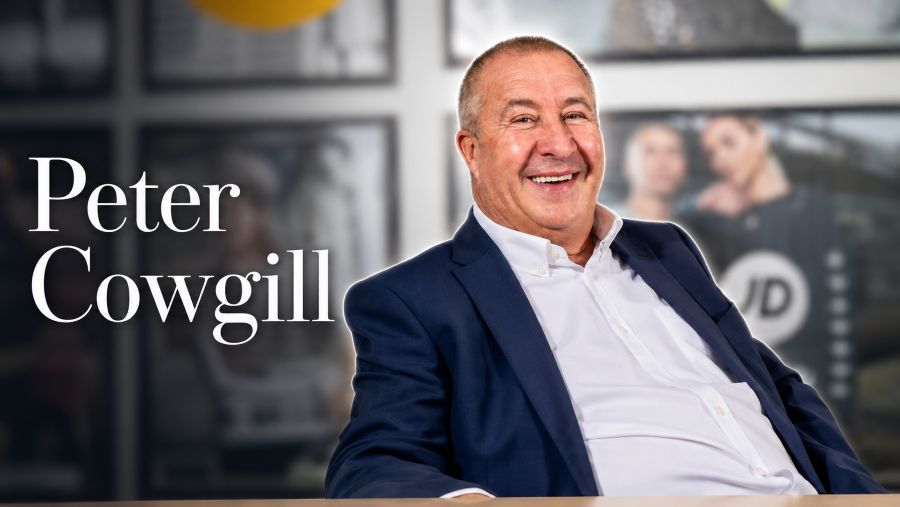
Peter Cowgill is a British retail executive, chartered accountant, investor, and company director. He is best known for leading JD Sports Fashion for 18 years and guiding its growth from a relatively small UK retailer into a FTSE 100 international business.
Cowgill did not create JD Sports. However, he became one of the most important leaders in its history. His knowledge of finance, retail operations, product strategy, acquisitions, and international expansion helped JD Sports become a major name in sports fashion.
As of July 2026, Peter Cowgill is no longer connected with the management of JD Sports. He is an independent non-executive director of Applied Nutrition and the non-executive chair of The Fragrance Shop. He also holds interests and directorships across several private companies.
His career is mainly searched because people want to understand how he helped build JD Sports, why he left the company in 2022, and what he is doing now.
Peter Cowgill Quick Facts
| Detail | Verified Information |
|---|---|
| Full name | Peter Alan Cowgill |
| Born | March 1953 |
| Nationality | British |
| Profession | Retail executive, accountant, investor, and company director |
| Education | De La Salle Grammar School and the University of Hull |
| Professional qualification | Fellow Chartered Accountant |
| Best known for | Leading JD Sports Fashion for 18 years |
| Former position | Executive chairman and chief executive of JD Sports |
| Left JD Sports | 25 May 2022 |
| Current major roles | Independent non-executive director of Applied Nutrition and non-executive chair of The Fragrance Shop |
| Main industry | Retail, sports fashion, consumer products, and investment |
Who Is Peter Cowgill?
Peter Cowgill is an experienced British business leader who became widely known through his work at JD Sports Fashion.
He first worked with the founders of JD Sports as an accountant. He later joined the company, helped with its stock-market flotation, and eventually became its most powerful executive.
Cowgill returned to lead JD Sports in 2004, when the company was facing difficult trading conditions. During the following 18 years, he helped improve its finances, strengthen its relationships with major sports brands, expand its store network, and enter international markets.
By the time he left in May 2022, JD Sports had become one of the world’s leading sports-fashion retailers.
Early Life and Education
Peter Cowgill grew up in Kearsley, near Bolton, in Greater Manchester.
Reports about his early life suggest that he showed an interest in business from a young age. One story describes him selling books outside his family home. This small activity reflected an early interest in buying, selling, and understanding customers.
He attended De La Salle Grammar School in Salford before studying at the University of Hull.
After completing his education, Cowgill trained as an accountant and qualified as a chartered accountant. This financial training later became an important part of his management style.
Rather than spending his whole career working for an established accounting company, he decided to build his own firm.
Building Cowgill Holloway
In 1981, when he was around 28, Peter Cowgill established the accountancy business Cowgill Holloway.
The company reportedly began in a small office above a barber’s shop in Bolton. From this modest beginning, Cowgill developed relationships with business owners across North West England.
Two of his clients were John Wardle and David Makin, the founders of JD Sports.
Their connection with Cowgill began as a normal professional relationship. He provided financial and business advice. However, as JD Sports developed, his understanding of the company became increasingly valuable.
This relationship eventually moved Cowgill from outside adviser to senior company leader.
How Peter Cowgill Joined JD Sports
Peter Cowgill became finance director of JD Sports in 1996.
One of his first major responsibilities was helping the company complete its stock-market flotation. Becoming a publicly listed company gave JD Sports access to investors and new opportunities, but it also brought greater financial and reporting responsibilities.
Cowgill’s accounting experience made him an important figure during this change.
He remained with JD Sports until 2001. After leaving, he continued his wider accounting and business work.
However, his JD Sports journey was not finished.
Returning to Lead JD Sports
Peter Cowgill returned to JD Sports as executive chairman in March 2004.
At that time, the company was experiencing weaker financial results following its purchase of First Sport. JD Sports needed stronger control of its costs, stock, operations, and business direction.
Cowgill introduced tighter financial discipline and focused attention on what customers were actually buying.
Instead of treating trainers only as sports equipment, JD Sports recognised that young people were increasingly wearing trainers, tracksuits, and sports clothing as part of everyday fashion.
This understanding became central to the company’s growth.
JD Sports positioned itself between sport and street fashion. Its shops were not simply places to buy football boots or gym clothing. They became fashion destinations for customers interested in brands, limited products, and popular styles.
The Strategy Behind JD Sports’ Growth
Peter Cowgill’s success at JD Sports did not come from one single decision. It came from several connected business strategies.
Strong Brand Relationships
JD Sports built close commercial relationships with major sportswear companies such as Nike and Adidas.
These relationships helped JD receive exclusive products, special colour designs, and limited releases that were not always available from competing retailers.
Exclusive products gave customers a reason to choose JD Sports instead of another shop.
Careful Stock Management
Retail companies can lose large amounts of money when they order the wrong products or hold too much unsold stock.
Cowgill’s accounting background helped JD Sports maintain close control over inventory, costs, and cash. The company aimed to buy products that customers wanted while reducing the need for heavy discounts.
Understanding Young Customers
JD Sports paid close attention to youth culture, music, sport, fashion, and social trends.
Cowgill understood that younger customers were strongly influenced by brand identity and product scarcity. A trainer could be a sporting product, a fashion item, and a personal statement at the same time.
Online Retail Investment
JD Sports also invested in online shopping as customer behaviour changed.
Its physical stores remained important, but digital retail allowed the business to reach more people and offer a wider range of products.
Growth Through Acquisitions
The company expanded by purchasing or investing in other retailers.
In 2005, JD Sports acquired important parts of the failed Allsports business. This helped JD strengthen its position in the British sports retail market.
The group later expanded across Europe and North America through additional acquisitions and store openings.
The Finish Line Acquisition
One of the most important events during Peter Cowgill’s leadership was JD Sports’ purchase of the American retailer Finish Line.
The acquisition was completed in June 2018.
Finish Line gave JD Sports a major position in the United States, one of the world’s largest markets for trainers and sports fashion.
Instead of slowly building a small American store network, JD gained an established business with shops, employees, customers, and supplier relationships.
Cowgill described the transaction as an important step in JD Sports’ international development.
The purchase increased JD’s global reach and helped move the company beyond its UK and European roots.
Becoming a FTSE 100 Company
JD Sports entered the FTSE 100 in 2019.
The FTSE 100 includes many of the largest companies listed on the London Stock Exchange. Entering the index reflected JD Sports’ growing market value and importance within British business.
Applied Nutrition’s current corporate profile says that during Cowgill’s 18 years as executive chairman, JD Sports developed into a business with more than 3,400 stores across 27 territories and revenue of more than £10 billion.
These figures describe the size of the group near the end of his leadership period. Readers can see his current corporate profile on Applied Nutrition’s official board page.
Why Did Peter Cowgill Leave JD Sports?
Peter Cowgill left JD Sports on 25 May 2022.
His departure was immediate and ended an 18-year period as the company’s executive chairman.
JD Sports said it wanted to speed up the separation of the chairman and chief executive positions. Good corporate governance normally expects the chair to supervise the board while the chief executive manages daily business operations.
Cowgill had held a large amount of authority because his responsibilities covered both areas.
After his departure, JD Sports began changing its senior leadership and governance structure. The company later recognised Cowgill’s major contribution to its growth while also explaining that its systems and controls needed to develop further for a business of its size.
His exit was therefore connected with both leadership succession and wider concerns about corporate governance.
The Footasylum Issue
One of the most significant public issues during Cowgill’s final years at JD Sports involved Footasylum.
JD Sports acquired Footasylum in 2019. However, the UK Competition and Markets Authority examined whether the purchase could reduce competition in the sports-fashion market.
During the investigation, JD Sports and Footasylum were required to operate separately and carefully control the information shared between them.
In February 2022, the Competition and Markets Authority said Cowgill and Footasylum executive Barry Bown had exchanged commercially sensitive information during meetings in 2021.
The authority imposed penalties totalling almost £5 million on JD Sports and Footasylum as companies. These were corporate penalties rather than personal fines against Peter Cowgill.
The official details remain available through the UK Competition and Markets Authority.
JD Sports was eventually required to sell Footasylum. The sale to investment firm Aurelius was completed in 2022.
Peter Cowgill’s JD Sports Exit Agreement
In September 2022, JD Sports published details of its arrangements with Peter Cowgill following his departure.
The company agreed to pay £3.5 million over two years in exchange for enhanced restrictions. These restrictions limited his ability to work with competitors, advise competing companies, or recruit JD Sports employees during the agreed period.
JD Sports also entered a three-year consultancy arrangement valued at £2 million. This gave the company’s new leadership access to Cowgill’s knowledge and experience during the transition.
The company also honoured his contractual notice period and relevant employment benefits.
These figures were documented company agreements. They should not be treated as proof of his total personal wealth.
What Is Peter Cowgill Doing Now?
As of July 2026, Peter Cowgill has developed a portfolio career involving board positions, investments, and advisory work.
He is no longer responsible for running one large retail group. Instead, he contributes his experience to several businesses.
Applied Nutrition
Cowgill became an independent non-executive director of Applied Nutrition on 2 June 2025.
Applied Nutrition is a sports nutrition, health, and wellness company. It produces protein products, sports drinks, supplements, and related consumer goods.
Cowgill already knew the company before joining its board. While leading JD Sports, he directed JD’s 2021 investment in Applied Nutrition. He later invested in the business personally before its 2024 stock-market flotation.
When his board appointment was announced in June 2025, Applied Nutrition disclosed that he held five million shares, representing 2% of the company’s issued shares at that date.
In March 2026, the company also announced that Cowgill would join its Remuneration Committee.
As an independent non-executive director, his job is not to manage daily operations. He provides oversight, challenges management decisions, and contributes experience in finance, retail, international growth, and consumer products.
The Fragrance Shop
Peter Cowgill became the first non-executive chairman of The Fragrance Shop in November 2022.
The Fragrance Shop is a British perfume retailer with physical stores and an online business.
His role includes supporting the company’s senior team with digital development, business expansion, possible acquisitions, and international growth.
Applied Nutrition’s current board profile continues to list him as non-executive chair of The Fragrance Shop.
Other Business Interests
Public company records show that Cowgill remains connected with several private businesses and investment companies.
His registered appointments include companies working in areas such as technology, leisure equipment, gaming products, computer hardware, property, and business investment.
These appointments show that he remains active in British business. However, a registered directorship does not automatically mean that he manages the company’s daily activities.
Peter Cowgill’s Leadership Style
Peter Cowgill became known for combining financial control with detailed knowledge of customers and products.
Several features shaped his approach.
He Focused on the Numbers
His accounting background meant that he closely followed costs, stock, profit margins, cash, and business performance.
He understood that a popular brand can still fail when its finances are poorly controlled.
He Stayed Close to Retail Operations
Cowgill was not only interested in boardroom reports. He paid attention to stores, products, suppliers, competitors, and customer behaviour.
This helped JD Sports respond quickly when fashion trends changed.
He Valued Product Difference
JD Sports did not want to sell exactly the same products as every competitor.
Exclusive trainers, special designs, and limited product ranges made the business more attractive to customers.
He Supported International Expansion
Cowgill recognised that JD Sports could grow beyond Britain.
The company expanded into Europe, North America, Asia, and other markets through acquisitions and organic development.
He Used Acquisitions Carefully
Buying another company can provide stores, customers, employees, and market access. It can also create debt and operational problems.
Cowgill used acquisitions to expand JD Sports, although the Footasylum case showed that major deals can also face regulatory and competition risks.
His Place Among British Business Leaders
Peter Cowgill’s story is part of a wider history of British entrepreneurs and executives who built large consumer businesses.
His use of fashion, technology, and international growth shares some themes with former ASOS leader Nick Robertson. His understanding of branded clothing can also be compared with the fashion retail journey of Umar Kamani.
Readers interested in large British retail groups may also explore the career of EG Group co-founder Mohsin Issa, the business journey of Phones 4u founder John Caudwell, and the retail and public leadership experience of former John Lewis managing director Andy Street.
Each leader followed a different path, but their careers show how customer understanding, financial control, clear branding, and expansion decisions can shape a major company.
What Business Owners Can Learn From Peter Cowgill
Peter Cowgill’s career offers several practical lessons.
First, financial knowledge is essential. A business cannot grow safely when leaders do not understand cash, costs, stock, and profit.
Second, companies need a clear reason for customers to choose them. JD Sports used exclusive products and a strong connection with youth fashion to stand apart.
Third, business leaders must understand how customer behaviour changes. Sportswear moved from being mainly practical clothing to becoming an important part of everyday fashion.
Fourth, international expansion should have a clear purpose. JD Sports used acquisitions such as Finish Line to enter major markets with an existing customer base.
Finally, fast growth must be supported by strong governance. Systems, controls, leadership responsibilities, and board supervision need to grow with the company.
A business can be commercially successful while still needing to improve the way it is governed.
Peter Cowgill’s Lasting Impact on JD Sports
Peter Cowgill’s main professional legacy remains his role in the growth of JD Sports.
When he returned in 2004, the company was facing serious challenges. When he left in 2022, it was an international FTSE 100 retailer with thousands of stores and annual revenue measured in billions of pounds.
He helped JD Sports understand that sports products could also be fashion products. He strengthened supplier relationships, supported exclusive ranges, expanded the company online, and entered new international markets.
His departure was sudden and came during a period of governance and regulatory pressure. However, JD Sports itself later recognised the strength of the company he left behind, including its employees, supplier relationships, customer understanding, and growth opportunities.
His current appointments show that businesses still value his knowledge of retail, consumer brands, finance, investment, and international development.
Frequently Asked Questions
Who is Peter Cowgill?
Peter Cowgill is a British retail executive, chartered accountant, investor, and company director. He is best known for leading JD Sports Fashion for 18 years.
Did Peter Cowgill found JD Sports?
No. JD Sports was founded by John Wardle and David Makin. Cowgill first worked with them as an accountant before joining JD Sports as finance director.
How long did Peter Cowgill lead JD Sports?
He served as executive chairman from 2004 until 25 May 2022. His senior leadership period lasted approximately 18 years.
Why is Peter Cowgill famous?
He is famous for overseeing the growth of JD Sports from a smaller British retailer into a FTSE 100 international sports-fashion company.
When did Peter Cowgill leave JD Sports?
He left JD Sports with immediate effect on 25 May 2022.
Why did Peter Cowgill leave JD Sports?
JD Sports said it wanted to accelerate the separation of the chairman and chief executive roles. His departure also came during a wider period of governance changes and regulatory attention.
What is Peter Cowgill doing now?
As of July 2026, he is an independent non-executive director of Applied Nutrition and non-executive chair of The Fragrance Shop. He also holds other private company and investment interests.
Is Peter Cowgill still involved with JD Sports?
No. He no longer manages or holds a current leadership position at JD Sports.
What was Peter Cowgill’s role at Applied Nutrition?
He became an independent non-executive director in June 2025. He contributes experience in retail, finance, consumer brands, investment, and international expansion.
What was Peter Cowgill’s biggest business achievement?
His biggest confirmed achievement was helping transform JD Sports into a global sports-fashion retailer with thousands of stores, international operations, and FTSE 100 status.
Conclusion
Peter Cowgill is one of the most important figures in the modern history of JD Sports.
His career began in accountancy, but his understanding of finance, customers, brands, and retail growth took him into senior business leadership. During his 18 years at the top of JD Sports, the company expanded across international markets and became a major force in sports fashion.
His departure in 2022 ended a long and highly influential period. It also highlighted the importance of governance, separate leadership responsibilities, and strong corporate controls.
As of July 2026, Cowgill remains active through Applied Nutrition, The Fragrance Shop, investments, and private company appointments. His career continues to provide useful lessons about financial discipline, customer understanding, product difference, international growth, and the responsibilities that come with leading a large public company.