USB-C Chargers vs USB-A to USB-C Adapters: Which Charging Solution Do You Really Need ?
USB-C Chargers vs USB-A to USB-C Adapters: Which Charging Solution Do You Really Need ?

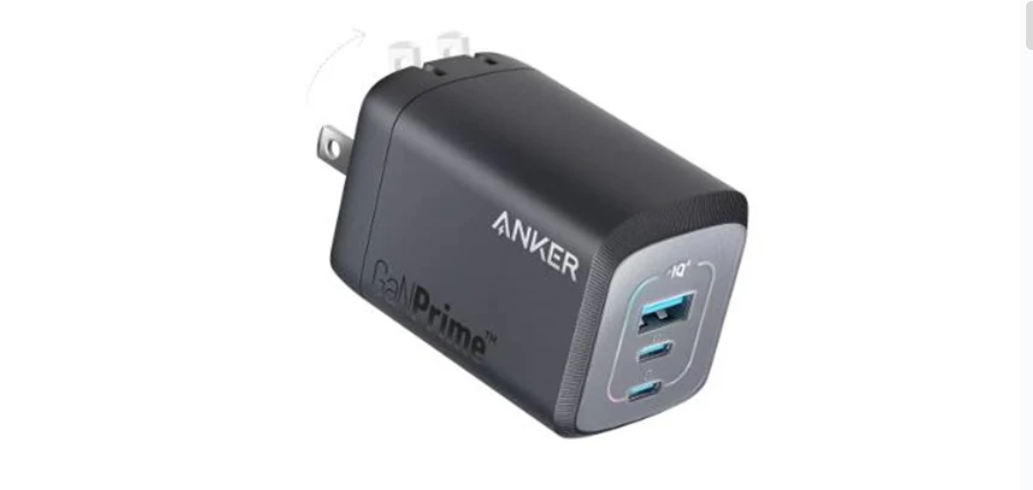
As digital devices become more advanced, the way we charge them has also changed. Smartphones, tablets, laptops, wireless earbuds, and even portable gaming devices now rely on newer charging standards that promise faster speeds and better efficiency. However, this transition has also created confusion for users who own a mix of old and new accessories.
Two charging solutions are commonly discussed today: USB-C chargers and USB-A to USB-C adapters. While both serve the same basic purpose—powering your devices—their real-world use cases are quite different. Choosing the right option depends on your devices, daily habits, and long-term charging needs.
This article explores both solutions in detail, focusing on practical usage rather than marketing claims.
Why Charging Standards Are Changing
USB-C has emerged as a universal standard because it supports higher power delivery, faster data transfer, and reversible connections. Many modern devices now ship with USB-C ports, reducing the need for multiple cable types.
At the same time, millions of chargers, power banks, laptops, and wall outlets still use USB-A ports. This overlap between old and new technology is the main reason why both USB-C chargers and adapters continue to exist side by side.
Understanding this transition period is key to choosing the most suitable charging setup.
What Is a USB-C Charger and How Does It Work?
A usb c charger is designed to deliver power directly through a USB-C port, often supporting modern fast-charging standards such as USB Power Delivery. These chargers can dynamically adjust power output based on the connected device, which improves efficiency and safety.
USB-C chargers are commonly used with newer smartphones, tablets, and laptops. Their ability to deliver higher wattage makes them suitable for devices that require more power, such as ultrabooks or larger tablets.
Benefits of Using USB-C Chargers
One of the biggest advantages of USB-C chargers is future readiness. As more devices move toward USB-C exclusively, having a dedicated charger reduces compatibility issues.
Other benefits include:
- Faster charging for supported devices
- Better power efficiency
- Reduced heat generation compared to older standards
- Support for a wide range of devices using a single charger
Because of these features, many users prefer USB-C chargers for home and office environments where consistent and reliable charging is required.
Understanding USB-A to USB-C Adapters
While USB-C is becoming standard, USB-A ports are still widely used. Older wall chargers, laptops, cars, and public charging stations often rely on USB-A outputs. This is where a usb a to usb c adapter becomes useful.
These adapters allow USB-C devices to be charged using existing USB-A power sources. Instead of replacing older chargers, users can continue using them with modern devices.
Advantages of USB-A to USB-C Adapters
Adapters offer flexibility and practicality, especially during travel or in shared environments. Some key advantages include:
- Compatibility with older charging equipment
- Low cost compared to replacing chargers
- Compact and easy to carry
- Useful in cars, offices, airports, and hotels
For users who frequently encounter USB-A ports, adapters provide a simple way to stay charged without carrying multiple chargers.
Charging Speed: What’s the Real Difference?
Charging speed is often a deciding factor.
USB-C chargers usually support higher wattage and modern fast-charging protocols. When paired with a compatible device and cable, they can significantly reduce charging time.
USB-A to USB-C adapters, on the other hand, are limited by the power output of the USB-A source. While they are reliable, they may not always support the fastest charging speeds, especially for power-hungry devices.
This doesn’t make adapters inferior—it simply means they serve a different purpose.
Safety and Battery Health Considerations
Safety is an often overlooked but critical factor. Charging generates heat, and poor power regulation can harm batteries over time.
A properly designed usb c charger typically includes built-in protections such as voltage regulation and temperature control. This helps maintain battery health during frequent or overnight charging.
Adapters are generally safe when used with quality cables and chargers, but they depend heavily on the original USB-A power source. Older or low-quality chargers may not regulate power as effectively.
Portability vs Long-Term Use
Portability is another key difference.
USB-A to USB-C adapters are extremely small and ideal for travel. They fit easily into pockets or bags and work well as backup solutions.
USB-C chargers are better suited for fixed locations such as desks or bedside tables. They are designed for consistent daily use rather than occasional charging.
Many users find that combining both solutions provides the best overall experience.
Which One Do You Actually Need?
The answer depends on your situation.
If most of your devices are modern and you want faster, more efficient charging, a usb c charger makes more sense. It simplifies your setup and supports future devices.
If you frequently rely on older chargers or shared charging spaces, a usb a to usb c adapter is a practical and economical choice.
In reality, many users benefit from having both. USB-C chargers handle everyday charging at home or work, while adapters serve as reliable backups during travel or emergencies.
Avoiding Common Mistakes
Some common charging mistakes include:
- Assuming all USB-C chargers offer the same power
- Ignoring cable quality
- Using adapters with very old or unstable chargers
- Prioritizing speed over safety
Being aware of these issues helps ensure a safer and more efficient charging setup.
Conclusion
The shift toward USB-C charging has improved convenience and performance, but it hasn’t made older charging standards obsolete overnight. USB-C chargers and USB-A to USB-C adapters exist to solve different problems created by this transition.
Rather than choosing one over the other blindly, users should consider their devices, environments, and usage habits. A balanced approach often provides the most flexibility and reliability.
By understanding how each solution works and where it fits best, you can build a charging setup that remains effective today and adaptable for the future. https://westernbusiness.co.uk/