How to Choose the Right Injection Molding Machine: A Complete Buyer’s Guide (2025 Update)

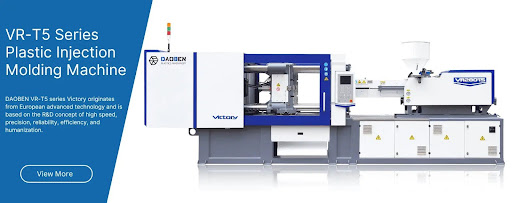
Choosing the wrong injection molding machine can cost you hundreds of thousands of dollars—and months of lost production time. Many manufacturers discover too late that their equipment can’t handle their product specifications, or worse, they overpay for features they’ll never use.
The plastic molding machine market offers dozens of options, from compact 30-ton units to massive 4000-ton systems. Each machine type serves different production needs, material requirements, and budget constraints. Without clear selection criteria, you’ll struggle to match your manufacturing goals with the right equipment specifications.
Understanding Injection Molding Machine Basics
An injection molding machine transforms raw plastic pellets into finished products through four main stages: clamping, injection, cooling, and ejection. The machine’s clamping unit holds the mold shut during injection, while the injection unit melts and injects material into the mold cavity.
Two primary machine types dominate the market: hydraulic and electric. Hydraulic machines use oil pressure for movement and force, offering high clamping tonnage at lower initial costs. Electric machines run on servo motors, delivering faster cycle times and lower energy consumption.
The size designation you see—like “150-ton” or “500-ton”—refers to clamping force, not the machine’s physical size. This number tells you how much pressure the machine applies to keep the mold closed during injection. Match this force to your part size and material type, or you’ll face flash defects or incomplete fills.
Critical Specifications That Impact Your Production
Tonnage Requirements and Clamping Force
Clamping tonnage determines the maximum projected area your machine can handle. Calculate your needs by multiplying your part’s projected area (in square inches) by the material’s required clamping pressure. Most thermoplastics need 2-8 tons per square inch.
A 100-ton injection molding machine works well for small consumer products like bottle caps or phone cases. Mid-range 300-500 ton machines handle automotive components and household appliances. Large 1000+ ton systems produce bumpers, crates, and industrial parts.
Under-tonnage causes flash—thin material leaking from mold parting lines. Over-tonnage wastes energy and increases wear on your mold and machine. Most engineers recommend selecting a machine with 10-15% more tonnage than your calculated minimum.
Shot Size and Material Capacity
Shot size measures how much plastic the machine can inject in one cycle, typically listed in ounces or grams. Your part’s volume plus runner system should occupy 40-80% of the machine’s maximum shot capacity. This range ensures proper screw recovery time and consistent melt quality.
The injection unit’s screw diameter directly affects shot capacity and plasticizing rate. Smaller screws (25-45mm) suit precision parts requiring tight process control. Larger screws (70-150mm) deliver higher throughput for big parts but may struggle with small shot sizes.
Check the plasticizing capacity—how many pounds or kilograms the machine can melt per hour. This spec matters more than shot size when you’re running continuous production. A machine with insufficient plasticizing capacity will slow your cycle times as it waits for material to melt.
Platen Size and Mold Compatibility
Platen dimensions define the maximum mold size your machine accommodates. Measure your mold’s length, width, and the tie bar spacing between platens. Standard machines offer 18-80 inch platens, with custom options available for specialized applications.
Tie bar spacing creates the window where your mold fits. A mold that’s technically small enough for the platen might still fail to fit between the tie bars. Always request detailed platen specifications including tie bar clearance before finalizing your purchase.
Daylight opening—the maximum distance between platens—limits part depth and demolding space. Tall parts or parts with significant undercuts need extra daylight for ejection. Add 4-6 inches to your deepest part dimension when evaluating daylight requirements.
Injection Molding Machinery Power Systems Comparison
The power system you choose affects energy costs, maintenance schedules, and production precision. Here’s how the main types stack up:
| Power System | Energy Efficiency | Initial Cost | Maintenance | Best Applications |
| Hydraulic | Moderate (30-40% less efficient) | Lower | Higher (oil changes, seals) | High-tonnage, general purpose |
| Electric | High (50-70% energy savings) | Higher | Lower (minimal fluids) | Clean rooms, precision parts |
| Hybrid | Good (30-50% savings) | Moderate | Moderate | Balanced performance needs |
| Toggle | Varies by drive type | Lower for tonnage | Moderate | High-speed, thin-wall molding |
Hydraulic systems remain popular for plastic injection molding machinery over 500 tons. The technology delivers reliable high-force performance at competitive prices. However, oil temperatures fluctuate with ambient conditions, affecting process repeatability.
Electric servo-driven machines dominate medical, electronic, and packaging applications. Their precise control maintains tighter tolerances, and they operate quietly without hydraulic oil contamination risks. The premium price typically pays back within 2-3 years through energy savings.
Hybrid machines combine hydraulic clamping with electric injection and plasticizing. This design captures 70% of electric machine benefits at 60% of the cost. Consider hybrids when energy efficiency matters but budget constraints limit full-electric options.
Material Compatibility and Processing Requirements
Different plastics require different machine capabilities. Commodity resins like polyethylene and polypropylene process easily on most standard machines. Engineering resins—nylon, polycarbonate, ABS—demand higher injection pressures and better temperature control.
Screw design varies by material family. General-purpose screws work for most thermoplastics but struggle with specialized materials. Glass-filled compounds need hardened screws with modified flight designs. Heat-sensitive materials like PVC require shallow-flighted screws for gentle processing.
Temperature control zones matter more than most buyers realize. Entry-level machines offer 3-4 barrel zones. Professional injection molding machinery provides 5-8 zones for precise melt temperature profiling. Medical and optical parts often require this enhanced control to meet quality standards.
Check maximum injection pressure specifications against your material data sheets. Commodity plastics process at 10,000-15,000 PSI. Engineering resins and thin-wall applications may need 20,000-30,000 PSI. Machines rated below your material requirements will produce short shots and poor surface quality.
Automation Features That Improve ROI
Modern plastic molding machines integrate automation that reduces labor costs and quality variation. Basic automation includes mold safety gates and part ejection systems. Advanced options add robotic part handling, vision inspection, and in-mold labeling.
Robotic integration capabilities vary widely between machine brands. Look for standardized mounting points, adequate clearance around the mold area, and compatible control interfaces. Some manufacturers offer integrated packages where robot and machine share a single control system.
Process monitoring systems track key parameters in real-time: injection pressure, melt temperature, cycle time, and cushion position. These systems detect process drift before it creates scrap parts. Cloud connectivity enables remote monitoring and predictive maintenance scheduling.
Quality control automation catches defects before they reach customers. Vision systems inspect part dimensions, surface finish, and color consistency. Weight checking systems identify short shots and flash. Automated measurement reduces inspection labor by 60-80% while improving defect detection rates.
Calculating Total Cost of Ownership
Purchase price represents just 30-40% of total ownership costs over a machine’s 15-20 year lifespan. Energy consumption, maintenance, and downtime create the majority of expenses. Smart buyers evaluate all cost factors before selecting a plastic injection molding machine.
Energy costs vary dramatically by power system and production schedule. A 200-ton hydraulic machine running two shifts consumes roughly $15,000-20,000 in electricity annually. An equivalent electric machine uses $8,000-12,000. Over ten years, the electric machine’s energy savings can exceed its higher purchase price.
Maintenance expenses depend on machine complexity and build quality. Budget 3-5% of purchase price annually for routine maintenance on hydraulic systems. Electric machines typically cost 1-2% annually. Factor in oil changes, filter replacements, seal kits, and wear parts when comparing options.
Production downtime costs more than most other factors combined. An unexpected breakdown costs $500-2,000 per hour in lost production, depending on your operation. Machines with proven reliability and strong local service support minimize these expensive interruptions.
Machine Size Selection Framework
Match machine specifications to your production requirements using this systematic approach:
Step 1: Calculate Required Tonnage
- Measure part projected area in square inches
- Multiply by material clamping pressure (2-8 tons/sq in)
- Add 10-15% safety margin
- Round up to standard machine size
Step 2: Determine Shot Size Needs
- Calculate part volume plus runners/sprues
- Divide by machine maximum shot (should be 40-80%)
- Verify plasticizing rate supports cycle time goals
Step 3: Assess Physical Constraints
- Measure existing mold dimensions
- Confirm platen size and tie bar spacing
- Check daylight opening for part ejection
- Verify floor space and ceiling height in production area
Step 4: Evaluate Special Requirements
- Multi-material or multi-color capability
- Clean room compatibility
- Special material processing needs
- Integration with existing automation
This framework prevents the two most common mistakes: buying insufficient capacity that creates production bottlenecks, or buying excessive capacity that wastes capital and operating costs.
Application-Specific Machine Selection
Different products demand different machine characteristics. Understanding these relationships helps you avoid costly mismatches.
Consumer Products and Packaging
High-volume consumer goods need fast cycle times and consistent quality. Look for machines with quick mold change systems, high plasticizing rates, and advanced process control. Electric or hybrid power systems deliver the repeatability these applications demand.
Packaging applications often require multi-cavity molds with strict weight tolerances. Select machines with precise shot control and active cavity pressure monitoring. IML (in-mold labeling) capabilities add value for decorated containers and closures.
Automotive Components
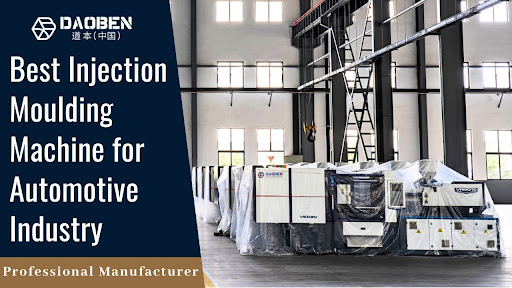
Automotive parts combine high-tonnage requirements with engineering-grade materials. Most applications run glass-filled nylons, polycarbonates, or specialized blends requiring robust injection units and precise temperature control.
The automotive industry increasingly demands documented process validation and statistical process control. Choose injection molding machinery with comprehensive data logging and Industry 4.0 connectivity. Your customers will require this documentation for quality audits.
Medical and Pharmaceutical
Medical applications face the strictest requirements for cleanliness, traceability, and validation. All-electric machines with clean room compatibility are standard. Injection molding machine specifications must support validation protocols and 21 CFR Part 11 compliance.
Material handling systems for medical applications often include desiccant dryers, closed-loop feeding, and purge procedures. Budget for these auxiliary systems when calculating total project costs. Medical molding also requires additional operator training and quality documentation.
Industrial and Technical Parts
Industrial applications prioritize durability over cycle speed. These parts often use high-temperature materials like PEEK, PPS, or liquid crystal polymers. Standard injection molding machinery may lack sufficient barrel temperatures or injection pressures for these demanding materials.
Large industrial parts frequently exceed standard machine platen sizes. Custom machines or specialized large-part machines become necessary. Lead times for these systems run 6-12 months, so plan accordingly when developing new industrial products.
Comparing Top Machine Specifications
| Specification | Entry-Level Machines | Mid-Range Machines | Premium Machines |
| Tonnage Range | 30-200 tons | 200-800 tons | 800-4000 tons |
| Power System | Hydraulic | Hybrid or Electric | All types available |
| Control System | Basic PLC | Advanced touchscreen | Industry 4.0 enabled |
| Injection Pressure | 15,000-20,000 PSI | 20,000-30,000 PSI | 30,000+ PSI |
| Temperature Zones | 3-4 zones | 5-6 zones | 7-8+ zones |
| Typical Applications | Simple parts, prototyping | General production | Precision, high-volume |
| Price Range | $30,000-80,000 | $80,000-300,000 | $300,000-1,000,000+ |
Your optimal choice depends on part complexity, production volume, and quality requirements. Entry-level machines suit job shops and startups with varied small production runs. Mid-range equipment handles most commercial production efficiently. Premium machines justify their cost through superior precision, speed, and reliability in demanding applications.
Supplier Selection and Support Considerations
Machine quality matters, but supplier support determines long-term success. Evaluate potential suppliers on these critical factors:
Technical Expertise: Can they recommend optimal specifications for your application? Do they understand your materials and quality requirements? Request application engineering support before purchase.
Local Service Network: Where’s the nearest service technician? What’s typical response time for breakdowns? Remote diagnostics help, but physical presence matters for major repairs.
Spare Parts Availability: How quickly can you obtain replacement parts? Are wear parts stocked locally? Extended lead times for critical components create expensive downtime.
Training Programs: What operator and maintenance training comes with purchase? Can your team access ongoing technical education? Proper training prevents operator errors and extends machine life.
Financial Stability: Will your supplier support the machine throughout its 15-20 year life? Check company history, market reputation, and customer references.
As a professional plastic injection molding machine manufacturer producing equipment from 30 to 4000 tons, Daoben Machinery provides comprehensive application support and local service networks. We understand that machine purchase represents the beginning of a long-term partnership, not a single transaction.
Making Your Final Decision
Narrow your options to 2-3 suppliers that meet your technical requirements and budget constraints. Request detailed quotations including machine specifications, auxiliary equipment, installation, and training. Many buyers overlook auxiliary costs that add 15-25% to the base machine price.
Schedule factory visits or demonstrations before finalizing large purchases. Seeing machines in production reveals build quality and operating characteristics that specifications alone can’t communicate. Bring sample parts or molds to test actual performance with your specific application.
Negotiate comprehensive warranty coverage and service agreements. Standard warranties cover 12-18 months, but extended coverage provides valuable protection. Service agreements with guaranteed response times prevent costly extended downtime.
Plan for installation logistics early. Large injection molding machinery requires reinforced floors, adequate electrical service, and proper rigging equipment. Budget $5,000-20,000+ for installation depending on machine size and site requirements. Factor in production downtime during installation when scheduling your purchase.
Common Buyer Mistakes to Avoid
Underestimating Future Needs: Buying exactly the capacity you need today leaves no room for growth. Consider parts you might produce in 2-3 years, not just current production.
Ignoring Energy Costs: A cheaper hydraulic machine may cost $50,000 more in energy over ten years than a pricier electric option. Calculate total ownership costs, not just purchase price.
Skipping Application Testing: Specifications look identical on paper but machines perform differently. Always test with your materials and molds before purchasing.
Overlooking Auxiliary Equipment: The machine is just one piece of your molding system. Mold temperature controllers, material dryers, chillers, and robots add substantial costs.
Choosing Price Over Support: The cheapest option becomes expensive when you can’t get timely service or replacement parts. Reliable support saves money long-term.
Neglecting Operator Input: Production operators understand daily operational challenges. Include their feedback in machine selection to avoid features that sound good but create practical problems.
Your Next Steps
Selecting the right injection molding machine requires balancing technical specifications, budget constraints, and long-term production goals. Start by documenting your requirements: part dimensions, materials, production volumes, and quality standards. Use this information to calculate minimum tonnage, shot size, and special features you need.
Request quotes from 3-4 qualified suppliers. Compare not just prices, but complete system costs including auxiliary equipment, installation, training, and ongoing support. Schedule demonstrations or factory visits to evaluate build quality and machine performance firsthand.
Before making your final decision, verify that your chosen supplier offers strong local service support and readily available spare parts. A great machine backed by poor support creates frustrating downtime and lost production. The best choice combines proven technology with responsive, knowledgeable support throughout your machine’s operational life.
Ready to explore your injection molding machinery options? Whether you need a compact 30-ton machine for precision parts or a powerful 4000-ton system for large industrial components, Daoben Machinery offers the expertise and equipment to match your specific requirements. Our engineering team can help you specify the optimal machine configuration for your application.
Visit our detailed guides on plastic chair making machinery and injection molding machine pricing for more insights. Contact us directly to discuss your production requirements—as the original manufacturer, we provide factory-direct pricing and comprehensive technical support that helps you maximize your equipment investment.