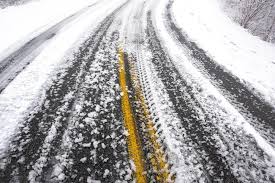
Winter in Milwaukee brings challenges. Snow and ice make roads slippery. Visibility drops. Accidents become frequent. You wonder who’s liable when crashes happen. Knowing liability matters for your safety and peace of mind. Drivers must navigate cautiously, but sometimes carelessness causes mishaps. If you face an accident, understanding who bears responsibility is crucial. Groth Law Accident Injury Attorneys can guide you through this complex process. They help identify the liable parties, whether it’s another driver, the city, or even a vehicle manufacturer. They ensure you get the support needed during difficult times. Road conditions play a big role, but the law expects responsible driving regardless of weather. Drivers must adapt to the conditions. If not, they may be held accountable for damages or injuries. By understanding your rights, you make informed decisions if involved in a winter accident. Stay informed to protect yourself on icy Milwaukee roads.
Understanding Liability in Winter Accidents
When accidents happen on icy streets, determining liability can get complicated. Liability usually falls on the driver who failed to act responsibly. However, there are situations where other parties might be responsible. For example, if a city fails to maintain clear roads, they may share the blame. Similarly, if a vehicle has defects, the manufacturer might hold some responsibility.
Driver Responsibility
Drivers must adjust their behavior to match weather conditions. This means slowing down, maintaining a safe distance, and using headlights in low visibility. If a driver fails to do these, they may be liable for accidents that occur. According to the National Highway Traffic Safety Administration, most weather-related crashes are due to driver error. Understanding these obligations can help you avoid liability.
City and Municipal Liability
Cities are responsible for keeping roads safe. This includes salting icy streets and clearing snow. If a municipality neglects these duties and an accident occurs, they could be liable. However, proving this can be challenging. It usually requires showing negligence in road maintenance. You might need to provide evidence that the city knew of hazardous conditions and failed to address them.
Vehicle Manufacturer Liability
Sometimes, accidents occur because of vehicle defects. In such cases, the manufacturer might be liable. Defects like brake failure can lead to severe accidents. It’s essential to keep vehicle maintenance records. If a mechanical issue caused your crash, consult legal experts to explore your options. They can help determine if a defect played a role.
Steps to Take After an Accident
Knowing what to do after a crash can protect your rights. First, ensure everyone’s safety and call emergency services if needed. Gather information from all involved parties. Take photos of the scene, capturing road conditions and vehicle positions. Report the accident to your insurance company. Consulting an attorney can help you understand liability and protect your interests.
Comparison: Typical Causes and Liabilities
| Cause | Potential Liable Party |
|---|---|
| Driver Error | Driver |
| Poor Road Conditions | City/Municipality |
| Vehicle Defects | Manufacturer |
Insurance and Legal Considerations
Insurance claims can become contentious in winter crashes. It’s crucial to document everything and report accurately. Wisconsin follows a “comparative negligence” rule. This means liability can be shared among parties. To navigate these complexities, consider legal advice. Experts can ensure you understand your rights and responsibilities.
Conclusion
Winter driving requires caution and awareness. Liability for accidents can rest with drivers, cities, or manufacturers. Knowing your responsibilities helps you stay safer on the road. If accidents happen, understanding liability can assist you in addressing the aftermath. Stay informed and consult trusted resources for guidance. Knowledge and preparation are your best allies against winter’s challenges on Milwaukee’s roads.