The Changing Landscape of Video Production Through Artificial Intelligence
The Changing Landscape of Video Production Through Artificial Intelligence

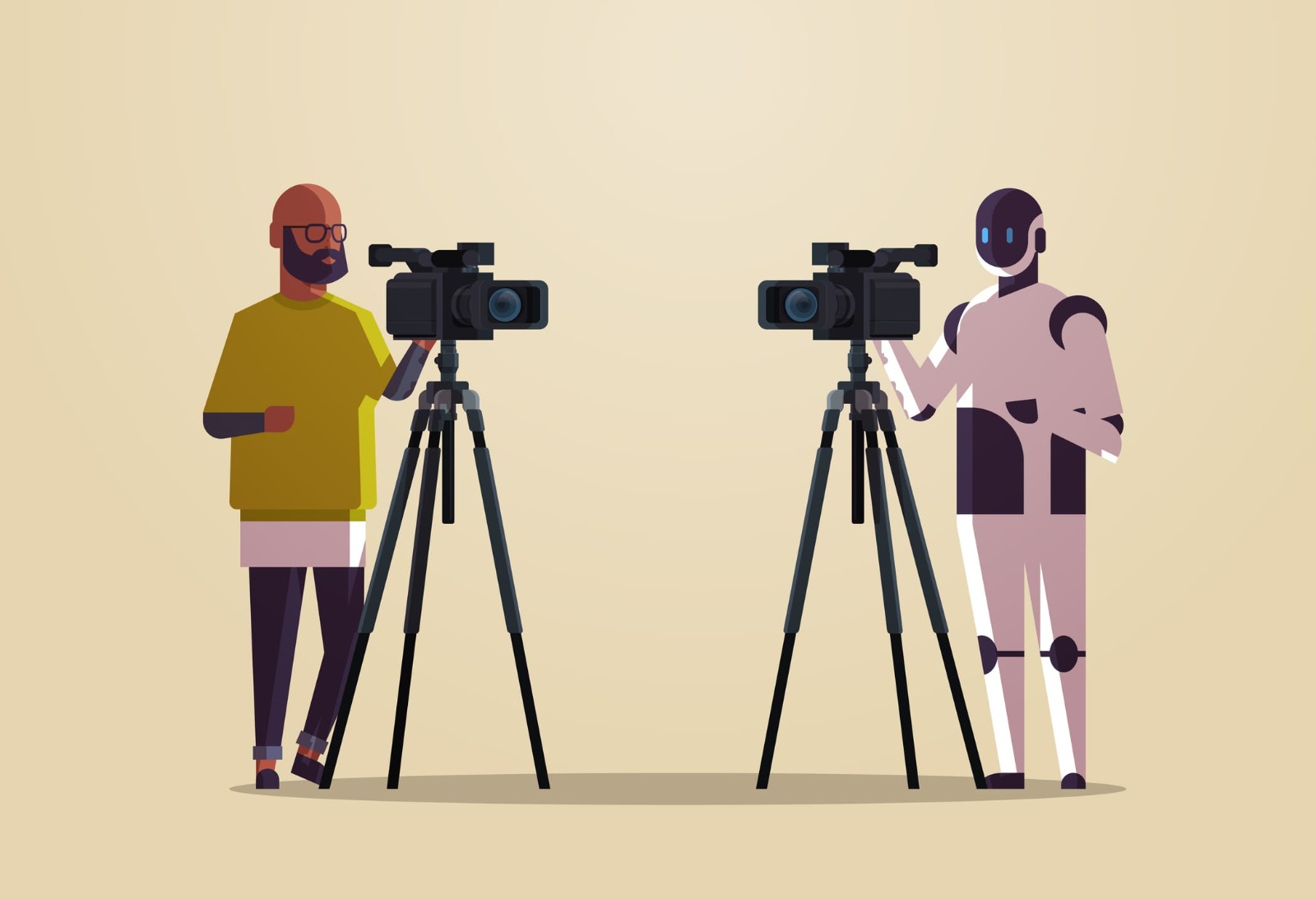
Video has become one of the most influential forms of digital communication. From entertainment and advertising to education, journalism, and social media, moving images are now central to how information and stories are shared. As demand for video content continues to grow, artificial intelligence is beginning to influence the way visual narratives are developed and produced.
One of the most notable developments is AI Video Generation, a field that explores how machine-learning systems can transform text, concepts, and other forms of information into moving visual content. This technology represents another stage in the broader development of digital media and is changing discussions around how videos can be created.
From Traditional Production to Intelligent Tools
Conventional video production often involves multiple stages, including scripting, filming, editing, visual effects, sound design, and post-production. Each stage can require specialised skills, equipment, and considerable time.
Artificial intelligence introduces new possibilities into some of these stages. Modern systems can assist with visual development, scene creation, editing, narration, and other production-related tasks.
This does not necessarily remove the role of filmmakers or editors. Instead, it introduces another category of tools that can support creative workflows and make experimentation more accessible.
The Development of AI Video Generation
The emergence of neuralvids and similar technologies reflects growing interest in AI-assisted video creation. Machine-learning models can analyse relationships between language, images, movement, and visual patterns to produce increasingly sophisticated video content.
The technology is still developing, but improvements in generative models are allowing systems to handle more complex visual concepts than earlier forms of automated media production.
Text-to-Video and Visual Storytelling
One particularly interesting development is Text-to-Video, which connects written descriptions with moving images. Instead of beginning with a camera or a completed animation, a concept can begin as a written description.
This approach creates an alternative pathway for visual storytelling. A written idea can be transformed into a visual interpretation that provides a starting point for further creative development.
The significance of Text-to-Video extends beyond convenience. It demonstrates how artificial intelligence is increasingly capable of connecting different forms of human expression.
Potential Uses Across Industries
Video generation technologies have potential applications in many sectors.
Marketing teams can explore visual concepts for campaigns, while educators can develop supplementary material for lessons and presentations. Publishers and media organisations may use AI-assisted video for visual explanations, and entertainment companies can experiment with early-stage concepts.
Businesses can also use generated video as part of internal communication, training, presentations, and product development.
The range of potential applications shows that AI video technology is not limited to entertainment.
A New Approach to Cinematic Video Creation
The concept of Cinematic Video Creation is also being influenced by generative technology. Visual storytelling traditionally depends heavily on access to locations, actors, equipment, lighting, and post-production resources.
AI can provide alternative ways to explore elements such as environments, camera perspectives, atmosphere, and visual style during the conceptual stage.
For filmmakers and creative teams, this may provide an additional method of testing ideas before committing resources to full production.
Creativity Still Requires Human Direction
The increasing capabilities of AI do not eliminate the importance of human creativity. Story structure, emotional meaning, cultural context, artistic judgement, and audience awareness remain difficult to reduce to automated processes.
A generated sequence may provide an impressive visual result, but humans still determine whether it supports the purpose of a project.
For this reason, AI is increasingly viewed as a creative collaborator or production aid rather than a complete replacement for professional expertise.
Questions Surrounding AI-Generated Video
The rapid development of generative video also raises questions about authenticity, copyright, consent, misinformation, and the distinction between synthetic and traditionally produced media.
These issues are particularly important as generated video becomes increasingly realistic. Clear disclosure and responsible use may become more important as audiences learn to distinguish between different forms of digital content.
The Future of Video Creation
The evolution of AI Video Generation suggests that video production is entering another period of technological change. Text-to-Video systems, generative editing tools, and developments in Cinematic Video Creation are expanding the range of ways visual stories can be explored.
As these technologies mature, the most significant development may not be the replacement of traditional production, but the creation of new creative workflows in which human direction and artificial intelligence operate together. Technologies associated with neuralvids, AI Video Generation, Text-to-Video, and Cinematic Video Creation illustrate how moving-image production is gradually becoming more flexible, experimental, and accessible.