Jocky Wilson: The Fearless World Champion Who Lifted Scottish Darts—And Faced Life’s Hard Edges
A story of brilliance, pressure, and legacy behind the name John Thomas Wilson

Introduction
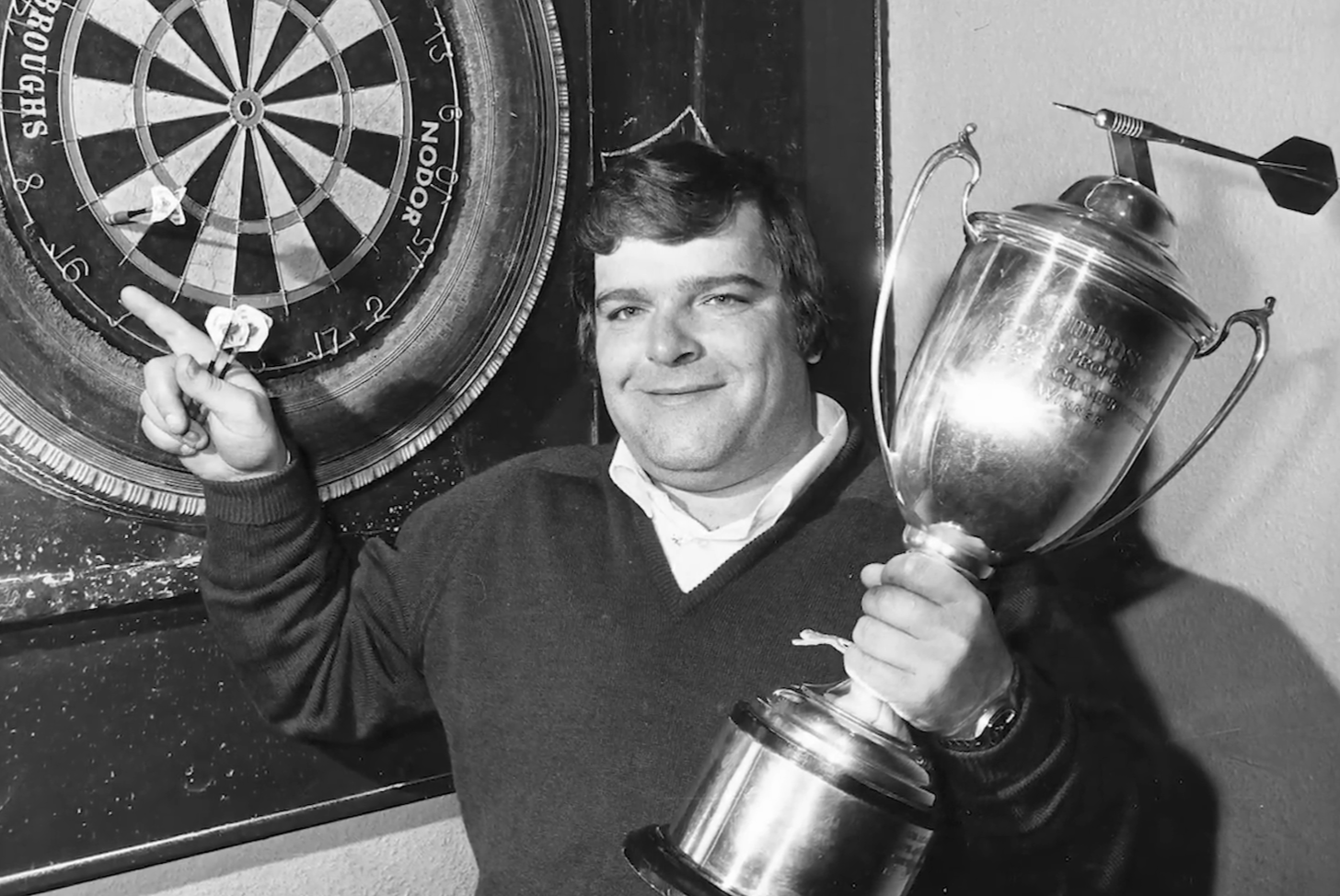
Jocky Wilson is one of darts’ most unforgettable figures: a two-time world champion whose rise helped define the sport’s biggest television era. He was celebrated for his grit, his character, and his ability to win when the lights were hottest. He was also a man who carried real hardships away from the stage, reminding fans that sporting fame doesn’t automatically bring an easy life.
Table of Contents
ToggleKnown widely as a Scottish darts player, Wilson became a symbol of raw determination. His career highlights are clear, but his story is deeper than trophies. From a difficult early life in Fife to iconic world titles and a quieter later chapter, Jocky Wilson remains a name that still echoes in darts culture today.
Quick Bio
| Field | Details |
|---|---|
| Real name | John Thomas Wilson |
| Known as | Jocky Wilson |
| Nationality | Scottish (United Kingdom) |
| Profession | Professional darts player |
| Date of birth | 22 March 1950 |
| Birthplace | Fife, Scotland (reported as Kirkcaldy or St Andrews, depending on source) |
| Major titles | World Champion (1982, 1989) |
| Spouse | Malvina Eva Wilson |
| Children | John, William, Anne Marie |
| Date of death | 24 March 2012 |
| Place of death | Kirkcaldy, Fife, Scotland |
Early Life in Fife: The Making of John Wilson
Jocky Wilson was born on 22 March 1950 in Fife, Scotland, and while he is strongly associated with Kirkcaldy, some reporting lists St Andrews as his birthplace. That detail matters mainly because it points to a broader truth: he was a Fife man through and through, shaped by a tough environment and a straight-talking Scottish identity that fans instantly recognized.
His early years were not comfortable. Accounts of his life describe a difficult upbringing, including time spent in a children’s home, and he left school early. This background is essential context for understanding his edge on stage. He didn’t arrive polished, and he didn’t pretend to be—he arrived hungry, stubborn, and built for pressure.
Working Life Before Fame
Before darts became his world, John Thomas Wilson did what many working-class Scots did: he worked. Reports describe him doing jobs including commis chef work, fish processing, service in the Royal Scots, and later work down the pit near Kirkcaldy. These were demanding roles, and they help explain his hardiness and the grounded style that later made him stand out.
This period also explains why his success felt so relatable to so many viewers. He didn’t look like a manufactured star. He looked like someone you might see in a local pub—until the first few darts landed, and the room suddenly realized he was something else entirely.
Start of a Darts Career: From Local Boards to National Attention
Like countless great players, Wilson’s darting roots grew in local venues. He is linked with the darts scene around Kirkcaldy, including play connected to Lister’s Bar, and he progressed far enough to represent Scotland. That path—local competition to national representation—was the classic route of the era, but few took it as far as he did.
A key turning point often mentioned is a 1979 Butlin’s tournament win, described as a moment that helped push him toward full-time professional darts as television coverage and public interest expanded. This timing mattered. Darts was becoming a major TV sport, and Wilson’s arrival brought a raw authenticity that cameras loved—whether critics did or not.
The Player the Cameras Couldn’t Ignore
Even early on, Wilson’s presence was loud without being theatrical. He wasn’t smooth; he was real. That authenticity became part of his “brand” long before athletes talked that way. Some admired it; others criticized it. Both reactions kept people watching—because you never felt like you were seeing an act.
And for all the noise around personality, he could play. When his scoring rhythm clicked, opponents didn’t just lose legs—they lost oxygen, because he gave them no time to breathe.
World Championship Glory: 1982 and 1989
The headline facts of Jocky Wilson’s career are carved into darts history: he was World Champion in 1982 and 1989, winning the biggest title the sport offered at the time. In 1982, he defeated John Lowe in the final, a defining result that made him Scotland’s most famous darts figure overnight.
That first world title wasn’t only a personal triumph. It was a statement that a Scottish darts player could rule the sport’s grandest stage. It expanded what young players believed was possible, especially those who didn’t come from comfortable backgrounds or polished systems.
The 1989 Title and a Legendary Final
Wilson’s second crown came in 1989, when he defeated Eric Bristow in a final that remains iconic in darts memory. Winning once can be destiny; winning twice is legacy. The gap between titles also mattered: it showed resilience, not just a hot streak.
This second championship reinforced what fans already felt—John Wilson in full flight was a problem for anyone. He didn’t need elegance. He needed a target, a rhythm, and the nerve to keep throwing when everything tightened.
Major Achievements Beyond the World Titles
World Championships make the headlines, but careers are built in the weeks between them. Wilson also won the British Professional Championship four times, a record noted in major darts summaries of his era. It was proof that he wasn’t only built for one special week at Lakeside—he could win across seasons and settings.
Another sign of sustained excellence is his World Championship consistency. Reporting from darts authorities notes a long run of deep finishes, including reaching at least the quarter-finals across many consecutive appearances in the period from 1979 through 1991. That sort of consistency doesn’t happen by accident; it happens when talent and toughness meet preparation.
Connection to the PDC Story
Wilson also had a link to the organisational changes that reshaped darts. He is described as a founding member of the body that evolved into the PDC, and he played in early events under that banner before later stepping away from top-level competition. This places him not only inside darts history as a champion, but also alongside the sport’s structural turning points.
For modern fans, that matters because it shows how close he was to the centre of darts—its biggest crowds, its biggest decisions, and its biggest transformations.
Style and Persona: Why Jocky Wilson Felt Different
Jocky Wilson’s throwing style and stage manner have been called unorthodox and distinctive. He didn’t resemble a textbook athlete, and that became part of his mystique. In an era when darts was exploding on television, his authenticity stood out like a bright flare. Some loved him because he was unapologetically himself; some disliked him for the same reason.
But his popularity wasn’t only personality. It was competitive will. He played with urgency, as if every leg mattered. On his day, he could overwhelm opponents with scoring bursts that turned matches into avalanches.
Fame, Pressure, and the Human Cost
Here’s the less comfortable part: the same visibility that made him famous also magnified his struggles. Later accounts describe serious financial difficulties, including bankruptcy in 1998. These facts matter not to judge him, but to tell the truth: success on TV doesn’t guarantee stability off it.
His later years were quieter and marked by health problems. He died at home in Kirkcaldy on 24 March 2012, aged 62, after suffering from COPD, with additional reporting noting diabetes as a long-term issue.
Legacy: What John Thomas Wilson Left Behind
Jocky Wilson’s legacy sits in two places at once: the record books and the imagination. He is remembered as a two-time world champion who helped define darts’ mainstream era, and as a larger-than-life figure who made the sport feel more human—less polished, more real.
He is also honoured in darts culture through commemorations such as the Jocky Wilson Cup, reflecting continued respect from the professional scene. Even decades after his peak, his name still sparks instant recognition, especially whenever fans talk about iconic characters and pressure-proof champions.
Conclusion
Jocky Wilson was more than a champion—he was a story. The story includes enormous victories, a distinctive identity, and moments that lifted Scottish darts onto the biggest stage. It also includes hardship, health struggles, and the reminder that fame can be fragile. That mix is exactly why people still talk about John Thomas Wilson today: because his life was real, and his darts were unforgettable.
FAQ
Who was Jocky Wilson?
Jocky Wilson was a Scottish darts player and two-time World Champion, best known for winning the BDO/Embassy World Darts Championship in 1982 and 1989.
What was Jocky Wilson’s real name?
His real name was John Thomas Wilson, sometimes also written simply as John Wilson.
When and where was Jocky Wilson born?
He was born on 22 March 1950 in Fife, Scotland. Some sources report Kirkcaldy, while others report St Andrews.
How many World Championships did Jocky Wilson win?
He won two World Championships: 1982 and 1989.
Who did Jocky Wilson beat in his World Championship finals?
He defeated John Lowe in 1982 and Eric Bristow in 1989.
Was Jocky Wilson married?
Yes. He married Malvina Eva Wilson.
Did Jocky Wilson have children?
Yes. Reported children include John, William, and Anne Marie.
When did Jocky Wilson die?
He died on 24 March 2012 in Kirkcaldy, Fife, Scotland, aged 62.