Ted Hankey: A Powerful Story of World-Championship Triumph and Public Downfall
The rise of “The Count” and the hard lessons behind a darts career that made headlines

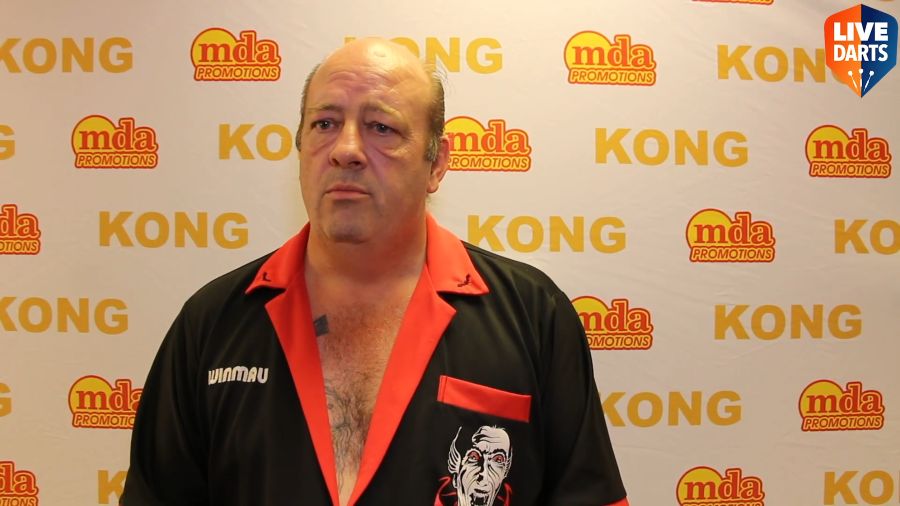
Introduction
Ted Hankey is an English former professional darts player best known to fans as “The Count.” His name—Edward Hankey—is closely tied to the BDO era, where he produced some of the sport’s most memorable moments and claimed the game’s biggest prize twice. At his best, he was ruthless on a big stage, delivering finishes that still get replayed and discussed.
Table of Contents
ToggleBut his story also carries a darker side. Alongside the trophies and acclaim, Hankey’s later years included serious health issues, financial trouble, and a criminal conviction that reshaped how the public views his legacy. It’s a career marked by both achievement and controversy—proof that sporting fame can be powerful, and painfully fragile.
| Quick Bio | Details |
|---|---|
| Real name | Edward Hankey |
| Known as | Ted Hankey |
| Nickname | The Count |
| Nationality | English |
| Born | 20 February 1968 |
| Birthplace | Stoke-on-Trent, England |
| Profession | English former professional darts player |
| Playing style | Right-handed |
| Major titles | BDO World Champion (2000, 2009) |
| Notable finals | 2000: beat Ronnie Baxter 6–0 (ended with 170 finish); 2009: beat Tony O’Shea 7–6 |
| Organisations | BDO (1996–2012, 2014–2020), PDC (2012–2013), WDF (2014–2020) |
| Noted event | Mini-stroke/TIA during 2012 Grand Slam match involving Michael van Gerwen |
| Sponsorship | Five-year deal with Winmau |
| Financial | Declared bankrupt (2018) |
| Legal | Sexual assault (Sept 2021); pleaded guilty; sentenced May 2022 to two years in prison; sex offender register for 10 years |
Early Life and Identity: Edward Hankey Behind the Persona
Ted Hankey was born 20 February 1968 in Stoke-on-Trent, England. In darts writing and records, he is often listed under his formal name, Edward Hankey, while fans and commentators mainly refer to him as Ted Hankey. This dual identity—everyday Edward and stage-ready Ted—helped shape a persona that stood out in a sport built on character as much as precision.
His nickname, “The Count,” became the signature that separated him from the crowd. The moniker wasn’t just decoration; it was part of how audiences remembered him, and how opponents felt his presence. In a competitive arena where small mental edges matter, the Count image added theatre, intimidation, and instant brand recognition.
Ted Hankey’s Start in Darts: The Long Road to the Big Stage
Records note Hankey as playing darts since 1977, a detail that highlights how deep his connection to the sport runs. Long before world titles and televised finals, there was the slow grind of practice, local competition, and the steady development of a repeatable throwing rhythm. He played right-handed, building a style that later delivered under pressure in the sport’s most high-stakes moments.
His elite-level timeline is closely associated with the BDO, where he competed across major stretches—1996–2012 and 2014–2020—with a shorter period in the PDC (2012–2013) and involvement in the WDF (2014–2020). These dates matter because they map the phases of his career: the rise, the peak, the changes in competition, and the later years where his presence became more sporadic.
Career Highs: BDO World Champion and the Making of a Name
Hankey’s greatest achievements are clear and undeniable: he won the BDO World Darts Championship twice, in 2000 and 2009, and he was runner-up in 2001. Titles like these define a darts player’s reputation, and for many fans, they place Ted Hankey among the most significant BDO champions of his generation.
His 2000 triumph is particularly famous. In the 2000 BDO World Championship final, he defeated Ronnie Baxter 6–0, and the match ended with a 170 checkout, one of darts’ most iconic finishes. The final reportedly lasted 46 minutes, often cited as the shortest in the tournament’s history, adding a brutal efficiency to the memory: it wasn’t only a win, it was dominance.
The 2009 Comeback Title: Winning the Hard Way
If 2000 was about overwhelming control, 2009 was about tension and survival. Hankey won the 2009 BDO World Championship by defeating Tony O’Shea 7–6, a scoreline that signals a fight rather than a procession. Some champions win once and fade; winning again years later suggests a player who could rebuild momentum and deliver when the stage demanded it.
That 2009 final also strengthened the “Count” identity. Close games expose nerves and weaknesses; getting through them shows composure. For supporters, it added a second chapter to his greatness—evidence that his success wasn’t a one-time peak, but a repeatable ability to perform at the sport’s highest level.
Life in the PDC and the 2012 Health Scare
Hankey’s career included a move into the PDC environment in 2012–2013, a shift that often comes with new opponents, new pressures, and a different competitive rhythm. However, his PDC period became closely linked with a major health incident. During the 2012 Grand Slam of Darts, he suffered a mini-stroke / transient ischemic attack (TIA) in a match involving Michael van Gerwen, leading to time away for recovery.
This event matters not as gossip, but as a turning point. In a sport demanding fine motor control, stamina, and steady concentration, a health shock can change an athlete’s trajectory overnight. For Hankey, it shaped how later career years were viewed—less as a smooth continuation and more as a complicated stretch influenced by physical realities beyond pure skill.
Sponsorship, Public Image, and the Professional Package
Ted Hankey’s career also had commercial structure. He signed a five-year sponsorship contract with Winmau, representing the brand at tournaments, events, and exhibitions. In modern darts, sponsorship is more than a logo; it’s a signal of status, a measure of marketability, and a practical support system that can keep a player active on the circuit.
His on-stage persona helped this visibility. “The Count” wasn’t just a nickname—it was a recognisable identity that fit televised darts, where audiences connect with players as characters. That blend of performance and precision helped make him memorable, turning Edward Hankey into a name that could sell tickets and draw attention.
Financial Trouble: Bankruptcy in 2018
Later reporting states Hankey was declared bankrupt in 2018, a detail that places a harsh reality beside the glamour of world titles. Sporting success can be real, public, and celebrated—yet financial stability is not guaranteed, particularly when competition schedules shift, form declines, or personal circumstances change.
For many observers, bankruptcy also reframes the idea of “successful athlete.” It shows how careers can be uneven and how the benefits of fame do not always translate into long-term security. It’s a sobering chapter that sits uncomfortably next to the trophies, but it’s part of the full record of Ted Hankey’s life in darts.
Legal Conviction and Public Fallout
The most serious and damaging chapter came with his criminal case. The sexual assault took place in September 2021; Hankey pleaded guilty and was sentenced in May 2022 to two years in prison. He was also placed on the sex offender register for 10 years. These facts profoundly changed the public conversation around his name.
This is the point where the narrative turns from sporting analysis to accountability. Achievements on a dartboard do not erase harm, and public figures are judged not only by wins but by conduct. For many fans and outlets, this conviction became the defining final headline, overshadowing even the highest moments of his career.
Legacy: A Champion’s Record, Shadowed by Consequences
Ted Hankey’s competitive legacy remains clear in results: two-time BDO world champion, famous for a 6–0 final and a 170 match-ending finish, then a later title won the hard way in a 7–6 battle. In darts history, those accomplishments are real, and they keep his name in record books and retrospectives.
At the same time, his broader legacy is complicated and deeply negative in public life. The combination of health issues, bankruptcy, and—most importantly—the criminal conviction reshaped his reputation. His story now stands as both a reminder of how high a player can climb and how quickly a public image can collapse.
Conclusion
Ted Hankey—Edward Hankey, the English former professional darts player known as The Count—built a career with peaks most players never reach. He won the biggest BDO prize twice, delivered iconic moments, and proved he could thrive under extreme pressure.
Yet the later chapters brought consequences that overwhelmed the sporting narrative. His biography is therefore not a simple celebration or a simple condemnation; it is a record of achievement, turning points, and accountability—an example of how legacy is shaped by both performance and actions beyond the oche.
FAQ (Useful, SEO-friendly)
What is Ted Hankey’s real name?
Ted Hankey’s real name is Edward Hankey.
Why is Ted Hankey called “The Count”?
His nickname in darts is “The Count,” a persona associated with his public image as a player.
When and where was Ted Hankey born?
He was born on 20 February 1968 in Stoke-on-Trent, England.
What are Ted Hankey’s biggest darts achievements?
He won the BDO World Darts Championship in 2000 and 2009, and he was runner-up in 2001.
What happened in the 2000 BDO World Championship final?
He beat Ronnie Baxter 6–0 and ended the match with a 170 checkout; the final is widely noted as lasting 46 minutes.
Did Ted Hankey play in the PDC?
Yes. He competed in the PDC (2012–2013) after a long period in the BDO.
What health issue did Ted Hankey experience in 2012?
During the 2012 Grand Slam of Darts, he suffered a mini-stroke / transient ischemic attack (TIA) in a match involving Michael van Gerwen.
What legal sentence did Ted Hankey receive in 2022?
He pleaded guilty and was sentenced in May 2022 to two years in prison, and placed on the sex offender register for 10 years.