Caroline Flint: A Resilient Voice in British Politics
From humble beginnings to Cabinet responsibility — a career shaped by conviction, courage, and controversy

Introduction
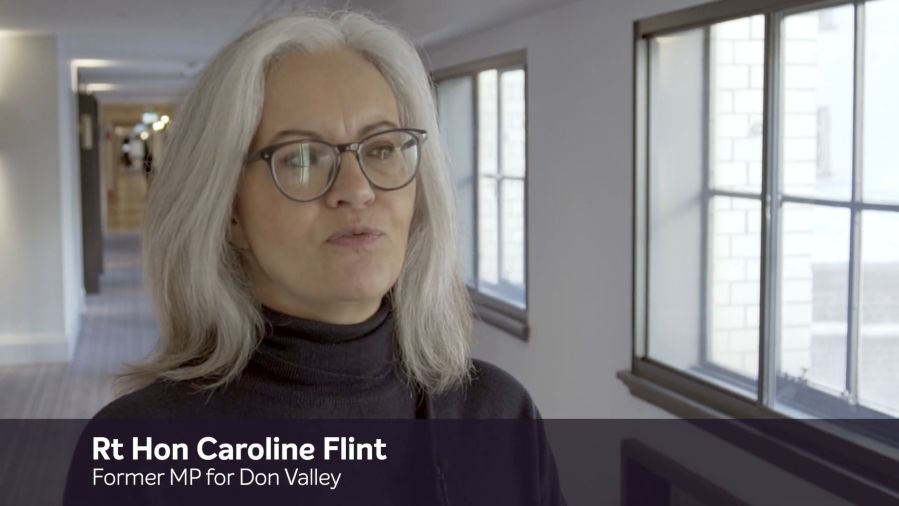
Caroline Flint is a prominent figure in modern British politics, known for her long parliamentary service, ministerial responsibilities, and outspoken positions on major national issues. Serving for more than two decades in the House of Commons, she built a reputation as a grounded, pragmatic, and often independent-minded politician. As a Former Minister of State for Housing and Planning of the United Kingdom, Caroline Flint played a key role in shaping public policy at both national and regional levels, while also navigating the challenges and contradictions of party politics.
Table of Contents
ToggleHer journey reflects both the strengths and pressures of political life. On one hand, she rose from modest beginnings to Cabinet rank; on the other, her career included moments of tension, resignation, and electoral defeat. This balance of achievement and adversity makes Caroline Louise Flint a compelling political figure whose story continues to resonate in discussions about leadership, representation, and public service in the UK.
Quick Bio
| Attribute | Details |
|---|---|
| Full Name | Caroline Louise Flint |
| Known As | Caroline Flint |
| Date of Birth | 20 September 1961 |
| Place of Birth | Twickenham, Middlesex, England |
| Nationality | British |
| Profession | Politician, Public Servant |
| Political Party | Labour Party |
| Years Active in Parliament | 1997 – 2019 |
| Notable Role | Former Minister of State for Housing and Planning of the United Kingdom |
Early Life and Background
Caroline Flint was born on 20 September 1961 in Twickenham, Middlesex. Her early life was shaped by modest family circumstances, which gave her first-hand insight into the realities faced by working families in Britain. Raised primarily by her mother and later adopted by her stepfather, Flint grew up with a strong awareness of social inequality and the importance of public institutions in supporting vulnerable individuals.
These formative experiences influenced her political outlook from an early age. Rather than following a privileged or elite pathway into politics, she developed a grounded perspective rooted in everyday concerns. Her background later became a defining feature of her political identity, allowing her to connect authentically with constituents in industrial and post-industrial communities.
Education and Intellectual Development
Caroline Flint pursued her education with determination and curiosity. She attended Twickenham Girls’ School and later Richmond Tertiary College before enrolling at the University of East Anglia. There, she completed a Bachelor’s degree in American Literature, History, and Film Studies.
This academic background sharpened her analytical thinking and communication skills. Studying history and literature helped her understand political narratives, power structures, and social change, while film studies enhanced her ability to engage with media and public messaging—an asset throughout her political career.
Entry into Politics and Early Career
Caroline Flint joined the Labour Party in 1979, marking the beginning of her lifelong engagement with progressive politics. Before entering Parliament, she worked across public administration, student politics, and trade unions. These roles exposed her to policy development, advocacy, and organisational leadership at grassroots and institutional levels.
Her early career included work with educational authorities, local government, and national organisations, where she focused on equality, representation, and worker rights. This period was crucial in shaping her policy priorities and preparing her for the demands of parliamentary life. It also established her reputation as a committed and capable organiser within the Labour movement.
Parliamentary Career and Representation
Caroline Flint was elected as Member of Parliament for Don Valley in 1997, becoming the first woman to represent the constituency. Don Valley, with its strong industrial heritage, proved to be a defining backdrop for her parliamentary work. She served the area continuously for 22 years, navigating changing economic and political realities alongside her constituents.
In Parliament, Flint was known for her direct communication style and willingness to challenge party orthodoxy when necessary. She balanced loyalty to Labour principles with a practical understanding of local concerns, earning respect from supporters and critics alike. Her longevity in office reflected both electoral trust and personal resilience.
Government Roles and Ministerial Responsibilities
Caroline Flint’s ministerial career began in the early 2000s, when she took on junior roles in government before rising through the ranks. She served in several departments, gaining experience across home affairs, health, welfare, and regional governance.
Her appointment as Minister of State for Housing and Planning marked a significant milestone. In this role, she was involved in policies addressing housing supply, urban development, and planning reform—issues central to social mobility and economic stability. Later, as Minister for Europe, she engaged with international policy and diplomatic matters, broadening her political portfolio and influence.
Shadow Cabinet and Leadership Ambitions
After the Labour Party moved into opposition, Caroline Flint continued to play a senior role as a member of the Shadow Cabinet. She served as Shadow Secretary of State in key departments, including communities and energy, where she contributed to policy development on infrastructure, sustainability, and social cohesion.
In 2015, she stood as a candidate for Deputy Leader of the Labour Party, positioning herself as a unifying and experienced figure. Although she did not win, the campaign highlighted her standing within the party and her willingness to take on leadership responsibility during a period of transition.
Challenges, Independence, and Political Tensions
Caroline Flint’s career was not without controversy. She was known for expressing dissenting views, particularly during moments of intense internal party debate. Her willingness to speak openly sometimes placed her at odds with party leadership, but it also reinforced her image as an independent-minded politician guided by principle rather than convenience.
These tensions ultimately contributed to a complex later phase of her parliamentary career. While admired for her honesty by some, she also faced criticism from different factions. Her electoral defeat in 2019 marked the end of her time in the House of Commons but did not diminish the significance of her contributions.
Life After Parliament and Ongoing Public Service
Following her departure from Parliament, Caroline Flint remained active in public life. She took on leadership roles within public institutions, focusing on health, social welfare, and fuel poverty. These positions reflected a continuation of her long-standing commitment to public service beyond electoral politics.
Her post-parliamentary work demonstrates that political influence does not end with holding office. Instead, Flint transitioned into roles where her experience and insight could continue to shape policy implementation and institutional governance.
Conclusion
Caroline Flint’s political journey is defined by persistence, realism, and a willingness to confront difficult issues. As a Former Minister of State for Housing and Planning of the United Kingdom, she left a clear imprint on British public policy. Her career includes notable successes, visible struggles, and moments of principled disagreement—together forming a balanced and human political legacy.
Through decades of service, Caroline Louise Flint exemplified the complexities of democratic leadership. Her story is not one of perfection, but of commitment, courage, and continued engagement with the public good.
Frequently Asked Questions (FAQ)
Who is Caroline Flint?
Caroline Flint is a British politician and long-serving former Labour MP who represented Don Valley from 1997 to 2019.
What is Caroline Flint best known for?
She is best known as a Former Minister of State for Housing and Planning of the United Kingdom and for her extensive parliamentary career.
How long did Caroline Flint serve in Parliament?
She served as a Member of Parliament for 22 years.
Did Caroline Flint hold Cabinet-level roles?
Yes, she served in senior ministerial positions and was a member of the Privy Council.
What is Caroline Flint doing now?
She continues to contribute to public life through leadership and governance roles in public institutions.