Electrical circuits are designed to operate within specific limits, yet many homes experience repeated tripping without an obvious cause. For landlords and homeowners alike, this can be more than an inconvenience. Frequent tripping often signals deeper issues related to electrical load, system design, or underlying faults that should not be ignored.
As modern households rely on more appliances than ever before, electrical safety has become closely linked to how power is distributed and managed. Understanding why circuits trip helps protect occupants, prevent damage, and support responsible home maintenance.
Within the first stages of investigation, consultation with
trusted domestic electricians is often necessary to distinguish between normal protective behaviour and signs of a system under strain.
What does electrical load mean in a domestic setting?
Electrical load refers to the amount of electricity being drawn by appliances and devices connected to a circuit. Every circuit in a home has a maximum capacity designed to prevent overheating and fire risk. When that capacity is exceeded, protective devices interrupt the supply.
In older properties, electrical systems were not designed for today’s energy demands. Homes that once powered lighting and a small number of appliances now support entertainment systems, electric showers, chargers, and kitchen equipment simultaneously.
Load issues arise when demand consistently approaches or exceeds what the circuit can safely deliver. Tripping is therefore a warning mechanism rather than a fault in itself.
Why circuit breakers and RCDs trip repeatedly
Circuit breakers trip when a circuit becomes overloaded or experiences a short circuit. Residual current devices trip when they detect an imbalance that could indicate current leaking to earth, which poses a shock risk.
Repeated tripping often suggests that circuits are being pushed beyond their intended limits. This can happen gradually as additional appliances are introduced without upgrades to the electrical infrastructure.
In some cases, tripping occurs intermittently, making the cause harder to identify. This pattern often points towards insulation breakdown, loose connections, or moisture related issues rather than simple overload.
How modern lifestyles affect electrical safety
Home electrical usage has changed significantly in recent years. The growth of home working, electric heating solutions, and high powered kitchen appliances has increased average electrical load across UK properties.
Portable heaters, air fryers, and tumble dryers are particularly demanding. When several are used on the same circuit, even briefly, protective devices may operate as intended.
This change highlights the importance of reviewing electrical design as part of routine home maintenance. What was once adequate may no longer meet present day needs safely.
The role of wiring and circuit design
Electrical load problems are not always caused by the number of appliances alone. Circuit layout and wiring condition play an equally important role.
Older wiring systems may have degraded insulation or limited current carrying capacity. Even if the number of appliances remains modest, aged cables can overheat more easily, triggering protection.
In some properties, circuits have been extended or modified without proper assessment. Poorly planned alterations can concentrate load on a single circuit, increasing the likelihood of tripping.
Landlord responsibilities and recurring tripping
For landlords, repeated electrical tripping should never be dismissed as tenant behaviour alone. Landlord responsibilities include ensuring that fixed electrical installations remain safe throughout a tenancy.
If tenants report frequent loss of power, this should prompt investigation. Ignoring these reports may expose occupants to risk and landlords to non compliance.
Addressing load issues supports both safety and reliability. It also demonstrates that electrical safety is being actively managed rather than reactively addressed.
Fault detection beyond visible symptoms
While overload is common, some tripping events are caused by hidden faults. Damaged insulation, rodent activity, or water ingress can all lead to abnormal current flow.
Professional fault detection involves testing circuits under controlled conditions. This allows domestic electricians to identify issues that visual inspection alone cannot reveal.
Early detection prevents escalation. Left unresolved, minor faults can worsen over time, leading to more disruptive failures and increased repair costs.
How EICR compliance highlights load problems
Electrical Installation Condition Reports play a central role in identifying load related risks. During an inspection, circuits are assessed for suitability, capacity, and protective measures.
Reports may highlight circuits that are overloaded, inadequately protected, or no longer appropriate for the property’s usage. These observations provide landlords with clear evidence based guidance.
Using
professional Electrical Installation Condition Reports ensures that findings are recorded in a structured and recognised format. This supports informed decisions about upgrades and remedial work.
The importance of consumer units and protection devices
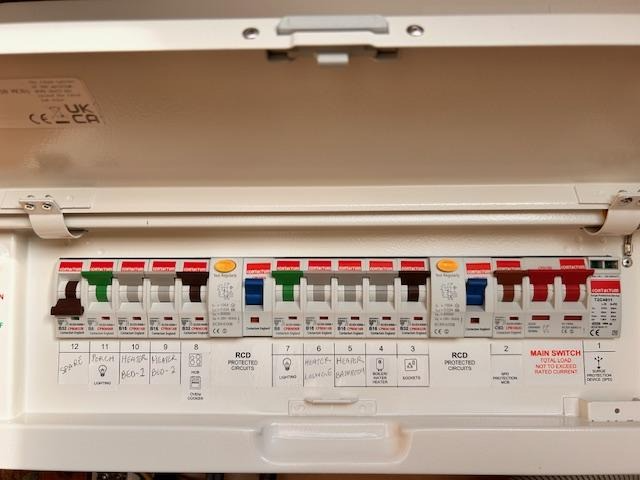
Consumer units act as the control centre for a home’s electrical system. Modern units are designed to isolate faults quickly and minimise risk.
Older units may lack individual circuit protection or modern residual current devices. This can result in more frequent nuisance tripping or reduced protection against genuine hazards.
Upgrading consumer units is often recommended when load issues are identified. This allows circuits to be better balanced and protected according to current standards.
Electrical load and long term home maintenance
Managing electrical load is not a one time task. As appliances change and occupancy patterns evolve, demand on the system shifts.
Routine assessment helps ensure that electrical infrastructure keeps pace with these changes. This approach aligns electrical safety with broader home maintenance strategies.
For landlords managing multiple properties, consistency is particularly important. Providers such as Electric Master often support this by maintaining inspection records and identifying trends across portfolios.
When tripping indicates a need for system upgrades
In some cases, repeated tripping is a sign that the electrical system has reached the limit of its design. Temporary adjustments such as redistributing appliances may offer short term relief but do not address the root cause.
System upgrades might include adding new circuits, improving earthing arrangements, or replacing outdated wiring. These measures reduce strain and improve overall safety.
Decisions should be guided by professional assessment rather than assumption. This ensures that upgrades are proportionate and effective.
A practical understanding of electrical load
Understanding electrical load helps explain why protective devices operate and why tripping should be taken seriously. It is a sign that safety mechanisms are responding to conditions that require
attention.
For landlords and homeowners, addressing the causes supports compliance, tenant wellbeing, and property longevity. It also reduces the likelihood of unexpected outages and emergency repairs.
Informed management of electrical load reflects a responsible approach to modern living. By recognising the relationship between usage, system capacity, and protection, electrical safety becomes a practical and manageable aspect of everyday property care.