Why Balance Matters When Choosing Restaurant Chairs
Selecting seating is not just about appearance or cost alone. Restaurant chairs must strike a balance between style, comfort, and budget to support both guest satisfaction and business operations. Focusing too heavily on one factor can create issues over time. Chairs that look appealing but lack comfort may shorten guest visits, while overly budget-driven choices can result in frequent repairs or replacements.
Balance ensures seating performs well in real-world conditions. Chairs should complement the restaurant’s design, feel comfortable during meals, and remain affordable enough to support long-term planning. When these elements work together, seating becomes an asset rather than a limitation. A balanced approach allows restaurants to create inviting spaces that meet operational needs without unnecessary expense or compromise.
Design Styles That Work Within a Restaurant Chairs Budget
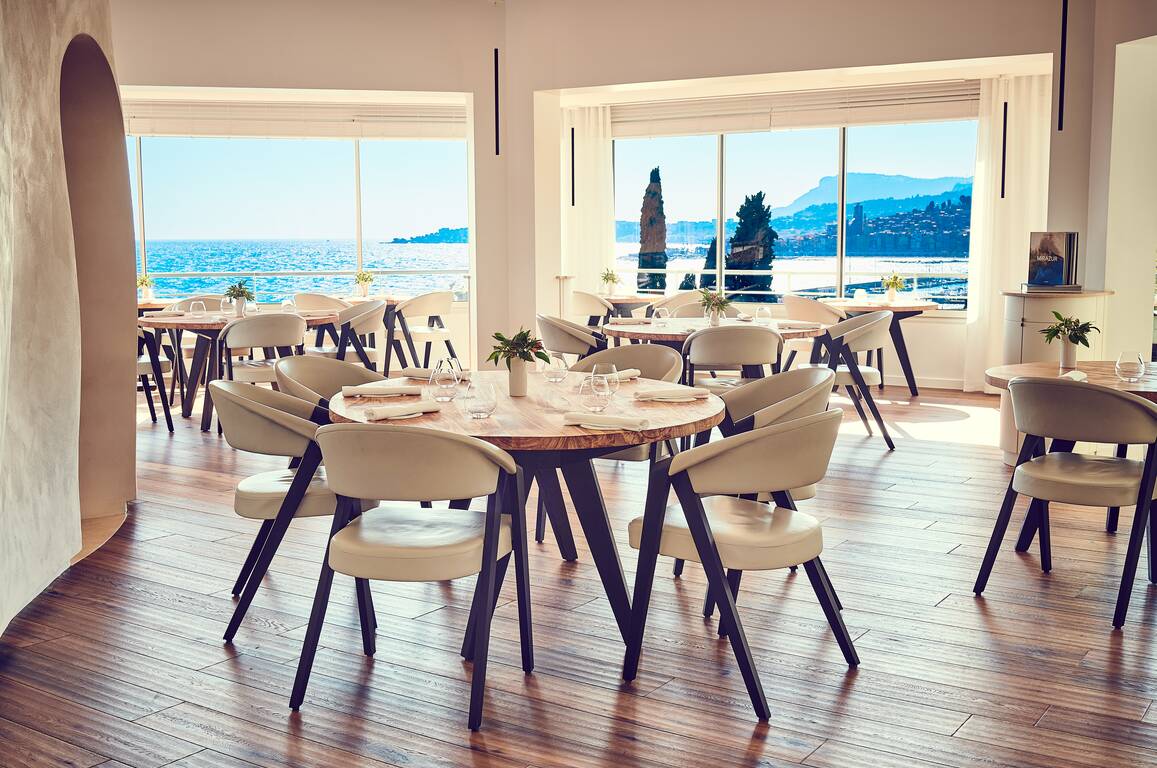
Style does not have to come at a high cost. Many restaurant chairs are designed with clean lines and versatile finishes that work across multiple dining concepts. Simple silhouettes often adapt well to both casual and upscale interiors, making them a smart budget-friendly option.
Neutral colors and classic materials provide flexibility and longevity. These designs age well and reduce the need for frequent updates when décor changes. Chairs with understated styling can still make a strong visual impact when paired with the right tables and lighting. By choosing adaptable designs, restaurants can maintain a polished look while staying within budget constraints. Thoughtful style selection helps maximize visual appeal without inflating costs.
Comfort Features to Look for in Restaurant Chairs
Comfort is essential to the dining experience and should never be overlooked. Restaurant chairs should provide adequate support through proper seat height, backrest angle, and overall proportions. Guests who feel comfortable are more likely to enjoy their meal and stay longer.
Comfort-focused design does not always require thick upholstery or premium materials. Ergonomic shaping and balanced construction can deliver support efficiently. Chairs that feel stable and supportive reduce guest movement, which also helps preserve the chair’s structure. When comfort is integrated into the design, seating enhances the dining experience while remaining practical and cost-conscious.
Materials That Help Restaurant Chairs Stay Cost-Effective
Material selection plays a key role in controlling costs while maintaining performance. Restaurant chairs often use metal frames, engineered wood, or durable molded materials that offer strength without high production expenses. These materials are chosen for their ability to handle frequent use and regular cleaning.
Protective finishes extend the life of seating by resisting moisture, stains, and scratches. Upholstered options may use commercial-grade vinyl or treated fabrics that are easy to maintain. Selecting materials that balance durability and affordability helps reduce long-term expenses. When chairs are built with cost-effective materials, they deliver reliable performance without placing strain on the budget.
Restaurant Chairs That Deliver Long-Term Value
Long-term value goes beyond the initial purchase price. Restaurant chairs that hold up well over time reduce the need for repairs and replacements, which can significantly impact overall costs. Chairs that maintain their structure and appearance provide consistent performance and visual appeal.
Value-driven seating focuses on durability, ease of maintenance, and comfort. Simple, proven designs often outperform more elaborate options in commercial settings. When chairs remain reliable year after year, they support stable operations and predictable budgeting. Investing in seating that delivers long-term value helps restaurants manage expenses while maintaining a professional dining environment.
Smart Tips for Selecting Restaurant Chairs on a Budget
Strategic planning helps restaurants get the most out of their seating investment. Restaurant chairs should be selected based on usage patterns, traffic levels, and layout requirements. Understanding how and where chairs will be used prevents overspending on unnecessary features.
Buying in bulk can reduce per-unit costs and ensure consistency across the dining space. Choosing standardized designs also makes future replacements easier. Evaluating total ownership costs, including maintenance and longevity, leads to smarter decisions. With careful planning, restaurants can select seating that fits their budget while still meeting performance and design expectations.
Conclusion
Balancing style, comfort, and budget is essential when selecting seating for a dining space. Restaurant chairs that successfully combine these elements support guest satisfaction and long-term operational efficiency. Thoughtful design choices, durable materials, and comfort-focused features all contribute to seating that performs well without exceeding financial limits.
By focusing on long-term value rather than short-term savings, restaurants can make smarter investments in their furniture. Chairs that look good, feel comfortable, and hold up over time create a welcoming environment and reduce ongoing costs. When balance guides the decision-making process, seating becomes a reliable foundation for a successful and enjoyable dining experience.