Nicholas Witchell: The Unyielding Voice of British Broadcasting
Authority, Controversy, and Legacy in Public Service Journalism

Introduction
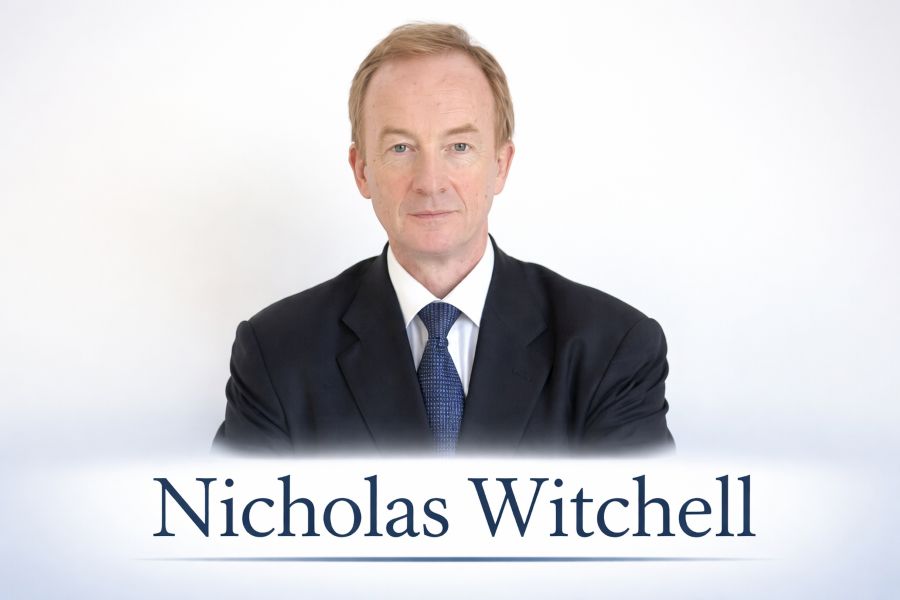
Nicholas Witchell is a name that has echoed through British living rooms for decades, often during moments of national gravity. As a British journalist and broadcaster, his voice became synonymous with breaking news, royal affairs, and historic turning points that shaped modern Britain. Calm under pressure and uncompromising in tone, he earned a reputation as one of the most recognisable figures in BBC News.
Table of Contents
ToggleYet his career was not without criticism or controversy. Praised for his authority and clarity, he was also challenged for his direct style and tough questioning. This balance of respect and resistance defines the professional journey of Nicholas Newton Henshall Witchell, a journalist whose career reflects both the strength and scrutiny of public service broadcasting.
Quick Bio: Nicholas Witchell
| Field | Details |
|---|---|
| Real Name | Nicholas Newton Henshall Witchell |
| Known As | Nicholas Witchell |
| Profession | British journalist and broadcaster |
| Date of Birth | 23 September 1953 |
| Birthplace | RAF Cosford, Shropshire, England |
| Nationality | British |
| Education | Law, University of Leeds |
| Employer | BBC News |
| Years Active | 1976 – 2024 |
| Marital Status | Married |
| Children | Two daughters |
Early Life and Background
Nicholas Witchell was born on 23 September 1953 at RAF Cosford in Shropshire. Growing up in a military-linked environment influenced his disciplined outlook and composed manner, qualities that would later define his on-screen presence. His upbringing instilled a sense of duty, precision, and respect for institutions, values often reflected in his reporting style.
From an early age, he showed curiosity about public affairs and communication. This interest developed steadily through his schooling and later matured into a clear ambition to pursue journalism. His early years laid a foundation rooted in structure and responsibility rather than celebrity or self-promotion.
Education and Formative Years
Witchell was educated at Epsom College before attending the University of Leeds, where he studied law. Although trained in legal thinking, his passion increasingly leaned toward journalism, analysis, and public communication. His academic background sharpened his ability to interpret complex information, a skill that later proved vital in news reporting.
While at university, he served as editor of the Leeds Student newspaper. This role marked a decisive step toward journalism, allowing him to develop editorial judgment, leadership skills, and a clear writing voice. During this period, he also authored The Loch Ness Story, demonstrating early investigative ambition and narrative confidence.
Start of Career at the BBC
In 1976, Nicholas Witchell joined the BBC through its graduate news trainee scheme. This entry marked the beginning of a lifelong association with the broadcaster and public service journalism. The early years were shaped by rigorous training, newsroom discipline, and exposure to fast-moving news environments.
His early assignments demanded accuracy and composure, traits that quickly distinguished him. He developed a reputation for reliability, earning the trust of editors during times of crisis. These formative experiences established him as a journalist capable of handling both breaking news and sensitive national stories.
Reporting During Conflict and Crisis
Witchell’s early reporting years included coverage from Northern Ireland during a period of intense political violence. Reporting amid the Troubles required caution, resilience, and clarity, qualities that strengthened his professional identity. His work during this period exposed him to the harsh realities of conflict journalism.
He later reported on the Falklands War from the Ministry of Defence, delivering updates during one of Britain’s most significant military conflicts. These assignments shaped his authoritative delivery and reinforced his role as a dependable voice during moments of uncertainty and national tension.
Rise as a BBC News Presenter
In 1984, Nicholas Witchell became one of the first presenters of the BBC Six O’Clock News. This role brought him into millions of homes and cemented his public recognition. His delivery was formal, composed, and direct, aligning with the BBC’s standards of credibility and neutrality.
One defining moment occurred in 1988 when protesters entered the studio during a live broadcast. Witchell remained composed, an incident that underscored his calm under pressure and reinforced his public image as a steady broadcaster during chaos.
Breaking News and National Moments
Throughout his career, Witchell was often entrusted with delivering news of national and international significance. He was among the first BBC journalists to report on several major tragedies and historic events, requiring sensitivity as well as authority.
These moments solidified his reputation as a journalist capable of balancing emotional gravity with factual clarity. His presence during national crises reinforced public trust, even as his direct manner sometimes attracted criticism from viewers and commentators.
Royal Correspondent Era
In 1998, Witchell was appointed BBC Royal Correspondent, a role that defined the latter half of his career. Reporting on the British Royal Family placed him at the intersection of tradition, public scrutiny, and modern media expectations.
His coverage was noted for its analytical tone rather than ceremonial praise. This approach earned respect from some audiences and criticism from others, particularly during moments of royal controversy. A widely reported incident in 2005, when Prince Charles was overheard criticising him, highlighted the tension between journalism and monarchy.
Later Career and Retirement
Nicholas Witchell continued as Royal Correspondent until his retirement in March 2024, concluding 47 years at the BBC. His departure marked the end of an era in British broadcasting, closing a chapter defined by continuity and institutional memory.
Beyond broadcasting, he played a significant role in public remembrance initiatives, contributing to the establishment of the British Normandy Memorial. This work reflected his commitment to national history and collective memory beyond daily news reporting.
Legacy and Influence
Nicholas Witchell’s legacy is rooted in longevity, authority, and public service. He represented a generation of journalists shaped by discipline rather than personal branding. His career demonstrated the enduring relevance of traditional broadcast journalism in a rapidly changing media landscape.
While not universally admired, his influence is undeniable. He remains a symbol of the BBC’s commitment to seriousness, responsibility, and historical record, even when that approach provoked discomfort or debate.
Conclusion
Nicholas Witchell stands as a powerful example of dedication to journalism over nearly five decades. His career combined credibility with controversy, authority with accountability. As a British journalist and broadcaster, he shaped how millions experienced news, royal events, and moments of national reflection. His legacy continues as a reminder of journalism’s role in informing, challenging, and preserving public understanding.
FAQs About Nicholas Witchell
Who is Nicholas Witchell?
Nicholas Witchell is a British journalist and broadcaster best known for his long career at BBC News and his role as Royal Correspondent.
What is Nicholas Witchell’s real name?
His real name is Nicholas Newton Henshall Witchell.
When was Nicholas Witchell born?
He was born on 23 September 1953.
What is Nicholas Witchell known for?
He is known for presenting BBC News, covering major national events, and serving as BBC Royal Correspondent from 1998 to 2024.
Is Nicholas Witchell retired?
Yes, he retired from the BBC in March 2024 after 47 years of service.