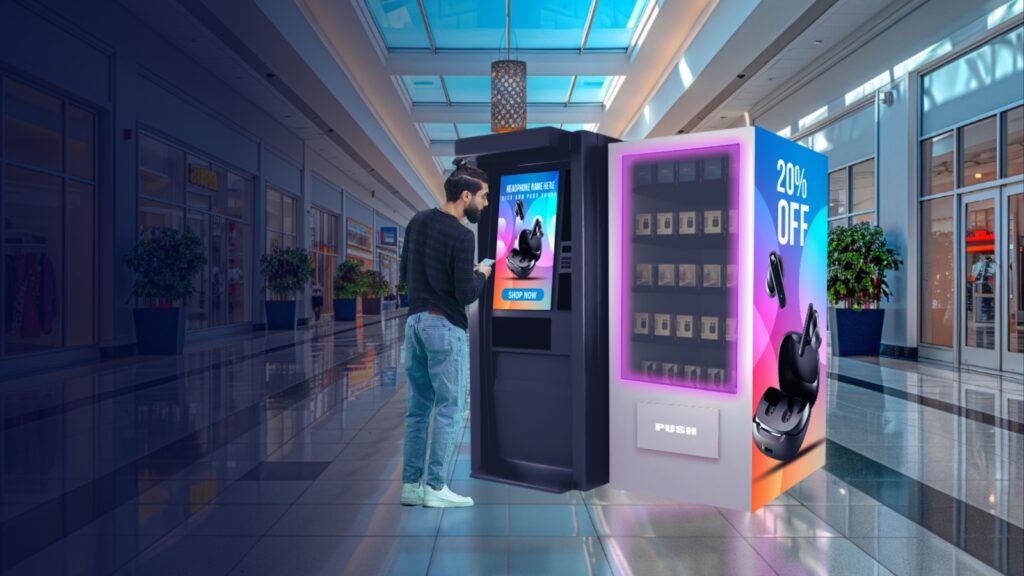
The way people shop has changed dramatically over the past decade, and automation is playing a major role in this transformation. Vending machines, once limited to dispensing snacks and beverages, have evolved into advanced retail systems that deliver convenience, efficiency, and even entertainment. Today, these machines are not just tools for quick purchases—they represent a growing segment of modern commerce that blends technology with consumer behavior.
The Rise of Automated Retail
Vending machines have been around for decades, but their relevance has significantly increased in recent years. With busy lifestyles and the demand for quick, contactless transactions, automated retail solutions have become more appealing than ever. Consumers no longer want to wait in long lines or interact unnecessarily when they can make instant purchases from a machine that operates around the clock.
This shift has pushed businesses to rethink how they approach retail. Instead of relying solely on traditional storefronts, many are integrating vending solutions into their strategies. From office buildings and shopping malls to airports and hospitals, vending machines are now found in locations where convenience is a top priority.
Technology Driving Modern Vending Machines
One of the biggest reasons behind the growing popularity of vending machines is the integration of advanced technology. Modern machines are equipped with digital payment systems, allowing users to pay via cards, mobile wallets, and contactless methods. This flexibility enhances user experience and increases sales potential.
Additionally, smart vending machines use data analytics to monitor inventory, track consumer preferences, and optimize product offerings. Operators can remotely manage stock levels, pricing, and performance, making the business more efficient and less labor-intensive. These features transform vending machines into intelligent retail units rather than simple dispensers.
Another important aspect is the inclusion of interactive screens and engaging interfaces. These elements attract customers and encourage them to explore products, turning a basic purchase into a more engaging experience.
Expanding Product Categories Beyond Snacks
Traditionally, vending machines were associated with chips, sodas, and candy bars. However, modern vending solutions have expanded far beyond these items. Today, machines can sell electronics, cosmetics, personal care products, and even luxury items.
A particularly interesting trend is the rise of niche vending concepts. Businesses are now targeting specific audiences by offering curated products that align with their interests. This approach not only increases customer engagement but also creates a sense of exclusivity. For example, vending machines that sell collectible items or limited-edition merchandise appeal to enthusiasts who are willing to spend more for unique products.
Business Opportunities in the Vending Industry
The vending machine industry offers a wide range of opportunities for both new and experienced investors. One of the key advantages is the relatively low overhead compared to traditional retail businesses. There is no need for large staff, expensive rent, or complex operations. Once installed, a vending machine can generate revenue with minimal ongoing effort.
Location plays a crucial role in determining success. High-traffic areas such as malls, transportation hubs, and entertainment venues tend to generate higher sales. Choosing the right product mix is equally important, as it directly influences customer interest and repeat purchases.
The distinction between these two roles often becomes clear when looking at modern retail ventures. A traditional businessman might see a standard vending unit as a low-risk way to generate steady, predictable income using a proven model. However, an entrepreneur would look at NekoDrop vending machines as a disruptive opportunity to capture a niche market through innovation. By focusing on trending Japanese collectibles and high-tech automated retail rather than just snacks or drinks, the entrepreneur creates a unique experience that builds a brand, rather than just managing a transaction.
Why Innovation Matters in Vending Machines
Innovation is what separates average vending businesses from highly profitable ones. Machines that offer something different tend to attract more attention and generate higher engagement. Whether it is through unique product offerings, creative branding, or advanced technology, innovation can significantly impact performance.
For instance, machines that incorporate gamification elements or surprise-based purchases can encourage repeat buying behavior. Customers are more likely to return when they feel a sense of excitement or curiosity. This psychological factor plays a crucial role in boosting sales and building customer loyalty.
Moreover, branding has become increasingly important in the vending industry. A well-designed machine with a strong visual identity can stand out in crowded environments. It not only attracts customers but also creates a memorable impression that encourages repeat interactions.
Challenges and Considerations
While vending machines offer many benefits, they are not without challenges. Initial investment costs can vary depending on the type of machine and technology involved. Maintenance and restocking also require consistent attention to ensure smooth operation.
Another factor to consider is competition. As the popularity of vending machines grows, more businesses are entering the market. This makes it essential to differentiate your offering and choose strategic locations. Understanding consumer behavior and staying updated with trends can help overcome these challenges.
Regulations and permissions may also vary depending on the location, so it is important to ensure compliance before setting up a machine. Proper planning and research can minimize risks and improve long-term success.
The Future of Vending Machines
The future of vending machines looks promising as technology continues to evolve. Artificial intelligence, machine learning, and IoT integration are expected to further enhance the capabilities of these machines. Features like personalized recommendations and real-time data analysis will make vending machines even more efficient and user-friendly.
Sustainability is another area gaining attention. Eco-friendly machines and packaging solutions are becoming more common as businesses aim to reduce their environmental impact. This not only benefits the planet but also appeals to environmentally conscious consumers.
As consumer expectations continue to change, vending machines will likely become more innovative and versatile. They are no longer just a convenience—they are a reflection of how modern retail is adapting to a fast-paced, technology-driven world.
Conclusion
Vending machines have transformed from simple snack dispensers into sophisticated retail solutions that cater to modern consumer needs. With advancements in technology, diverse product offerings, and innovative business models, they present a compelling opportunity for entrepreneurs and investors alike. By understanding market trends and embracing innovation, businesses can leverage vending machines to create profitable and sustainable ventures in today’s competitive landscape.