How Mid-Rise Automotive Scissor Lifts Improve Workshop Efficiency and Vehicle Service Safety

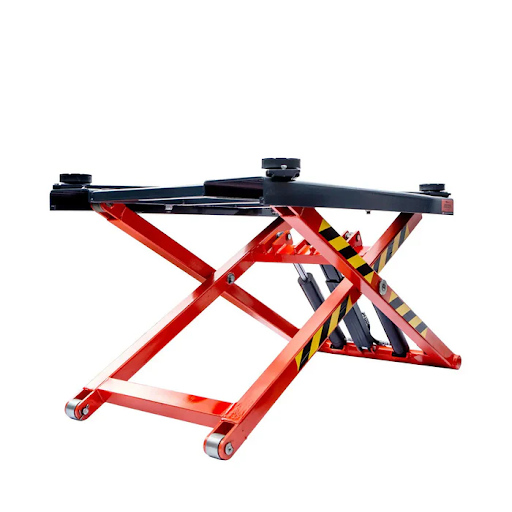
Across the United States, vehicle maintenance demand increases during the summer months as drivers prepare for road trips, commercial fleets handle higher mileage, and repair facilities manage seasonal service workloads. In many small garages, mobile repair operations, and professional workshops, having reliable lifting equipment is essential for completing inspections, repairs, and maintenance tasks safely. A mid-rise portable automotive scissor lift provides a practical solution by creating working space beneath vehicles without requiring a permanent installation.
Unlike traditional fixed lifting systems, portable automotive lifts allow operators to adapt their workspace according to changing service requirements. Understanding how these systems work, where they are best used, and how to operate them safely helps equipment managers and technicians make informed decisions about workshop productivity.
Understanding Mid-Rise Portable Scissor Lift Technology
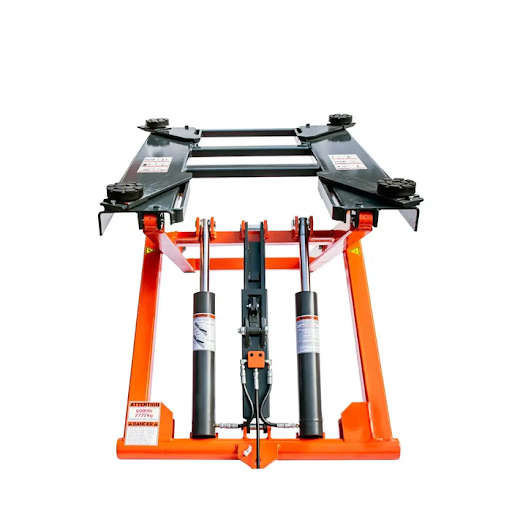
A mid-rise portable automotive scissor lift uses a mechanical structure based on linked arms that expand vertically when hydraulic force is applied. The scissor mechanism distributes lifting pressure through connected steel components, creating a stable platform that raises a vehicle to a comfortable working height.
The basic operating process includes:
- Positioning the lift correctly under the vehicle lifting points.
- Activating the hydraulic system to raise the platform.
- Engaging safety locking systems before beginning service work.
This lifting method is commonly used for tire service, brake inspections, suspension repairs, underbody inspections, and general vehicle maintenance where full-height access is not required.
Supporting Workshop Efficiency and Productivity
Efficient vehicle servicing depends on reducing preparation time while maintaining safe working conditions. A portable automotive scissor lift helps workshops organize their operations by allowing technicians to create additional service capacity without major structural changes to the facility.
For example, an independent repair shop with limited floor space may use a portable lift for routine maintenance jobs while keeping other areas available for diagnostic equipment or storage. Fleet maintenance departments can also benefit by moving lifting equipment between service areas when vehicle schedules change.
The main operational advantages include:
- Improved access to vehicle components.
- Reduced physical strain during maintenance tasks.
- More flexible workshop layouts.
Technical Foundations and Capacity Considerations
Selecting lifting equipment requires understanding basic technical factors rather than focusing only on lifting height. Vehicle weight distribution, lifting point location, floor conditions, and intended service applications all affect equipment performance.
Hydraulic systems provide controlled lifting movement by converting fluid pressure into mechanical force. The quality of hydraulic components, structural materials, and safety mechanisms influences long-term reliability. Operators must also confirm that vehicles are compatible with the lift design before use.
Factors Affecting Performance and Safety
Several conditions influence how effectively a mid-rise automotive scissor lift performs. Regular inspection and proper operation are necessary to maintain consistent results.
- Correct vehicle positioning prevents uneven loading.
- Clean and level working surfaces improve stability.
- Routine maintenance reduces hydraulic and mechanical issues.
In professional environments, equipment managers often establish inspection schedules to identify wear before it affects daily operations. This approach is especially important in busy workshops where lifting equipment experiences frequent use.
Safe Operating Practices for Automotive Lifting Equipment
Safety remains the most important consideration when using any vehicle lifting system. Operators should follow manufacturer guidelines and workplace safety procedures before, during, and after every lifting operation.
Recommended practices include:
- Inspecting the lift before each use.
- Confirming vehicle contact points are correctly positioned.
- Using mechanical safety locks when required.
- Avoiding movement or work beneath an improperly secured vehicle.
A repair facility servicing delivery vehicles during the summer season, for instance, may experience increased pressure to complete jobs quickly. Maintaining proper lifting procedures ensures productivity does not compromise technician safety.
Equipment Types and Common Applications
Automotive lifting equipment varies depending on workshop needs. Full-rise two-post lifts and four-post lifts are suitable for extensive repairs requiring maximum access, while mid-rise portable scissor lifts are often selected for flexible maintenance applications in modern automotive workshop solutions.
Common applications include:
- Brake and wheel service.
- Vehicle inspections.
- Suspension maintenance.
- Detailing and underbody cleaning.
Advantages and Limitations
A portable mid-rise lift offers flexibility, easier installation, and efficient use of limited workshop space. It is particularly useful for businesses that need additional lifting capability without permanent construction.
However, it may not replace full-height lifting systems for applications requiring complete underbody access or extensive drivetrain repairs. Choosing the correct equipment depends on the type of service work performed.
Conclusion: The Future of Flexible Vehicle Service Equipment
As automotive service environments continue to change, workshops require equipment that supports both efficiency and safety. Mid-rise portable automotive scissor lifts represent a practical approach to improving vehicle access while maintaining operational flexibility.
Future developments in workshop equipment are expected to focus on improved safety monitoring, energy efficiency, and smarter maintenance systems. For equipment managers and technicians, understanding lifting technology and proper operating methods will remain essential for building safer and more productive service environments.