In today’s fast-paced economy, cash is no longer the only way customers pay for goods and services. From small cafés to large retail stores, electronic payments have become the norm. At the center of this shift are card machines—devices that allow businesses to accept debit and credit card payments quickly and securely.
Understanding how these systems function can help business owners and customers alike feel more confident about everyday transactions.
What Are Card Machines?
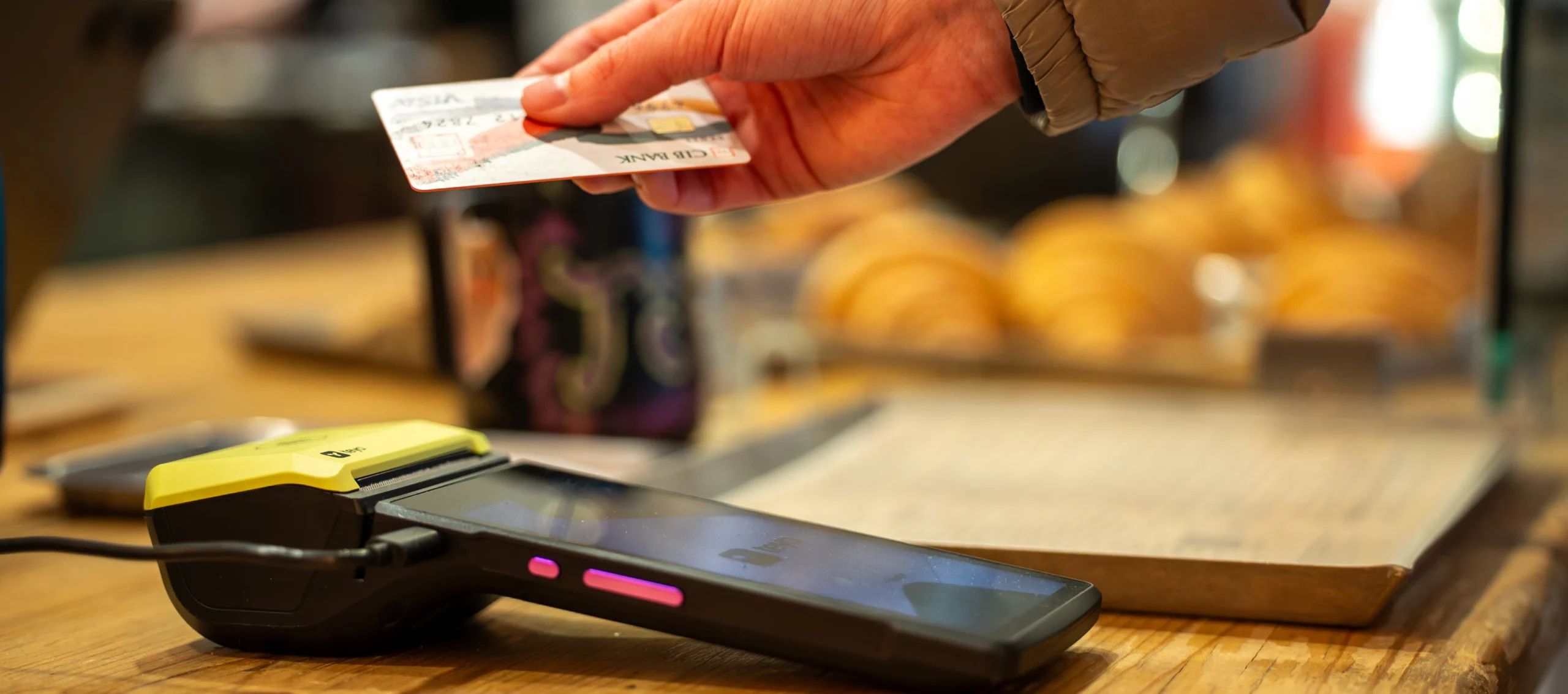
Card machines are electronic devices that process payments made using credit cards. They are commonly found at checkout counters, restaurants, and mobile service points. These machines read the card details, communicate with payment networks, and confirm whether a transaction is approved or declined.
They can come in different forms, including countertop terminals, portable devices, and mobile card readers that connect to smartphones or tablets.
The Basics of a Card Payment
When a customer taps, inserts, or swipes their card, the process begins instantly. The machine reads the card’s information through a chip, magnetic stripe, or contactless technology.
Once the card details are captured, the transaction is sent through a secure network to the customer’s bank. The bank checks whether sufficient funds are available and whether the transaction is valid. If everything checks out, the payment is approved, and the transaction is completed within seconds.
How Card Machines Process Transactions
The process behind card machines may seem simple on the surface, but it involves multiple steps working together seamlessly. When a payment is initiated, the machine encrypts the card data to ensure it is protected.
The transaction is then routed through a payment processor, which acts as a bridge between the business and the banking system. From there, it reaches the cardholder’s bank, which verifies the transaction details.
After approval, a confirmation is sent back through the same route to the business, allowing the sale to be finalized. This entire process typically takes only a few seconds, making it convenient for both customers and businesses.
The Role of Payment Networks
Payment networks such as Visa or Mastercard play a crucial role in the transaction process. They facilitate communication between the merchant’s bank and the customer’s bank.
Without these networks, card payments would not be possible. They ensure that transactions are processed smoothly and that funds are transferred securely between accounts.
Types of Card Machines Used by Businesses
Businesses can choose from several types of card machines depending on their needs. Countertop machines are ideal for fixed locations like retail shops, while portable devices are useful in restaurants where payments are taken at the table.
Mobile options are increasingly popular among small businesses and freelancers, as they allow payments to be accepted anywhere with an internet connection. Each type is designed to provide flexibility and convenience for different business environments.
Security Features in Card Transactions
Security is one of the most important aspects of card payments. Modern card machines use encryption and tokenization to protect sensitive information. This ensures that card details are not exposed during the transaction process.
Additionally, chip-and-PIN technology adds another layer of protection by requiring the cardholder to verify the payment using a personal identification number. Contactless payments also include built-in safeguards, such as transaction limits for tap payments.
Why Businesses Rely on Card Machines
Many businesses rely on card machines because they provide speed, efficiency, and convenience. Customers expect fast payment options, and electronic transactions help reduce waiting times at checkout.
These systems also make record-keeping easier. Digital payment data can be tracked and analyzed, helping businesses manage finances more effectively.
The Shift Toward Cashless Payments
The rise of digital payments has led to a growing preference for cashless transactions. As a result, card machines have become essential tools in modern commerce.
Consumers appreciate the convenience of paying with cards or mobile wallets, while businesses benefit from faster transactions and reduced cash handling. This shift continues to shape how transactions are conducted across industries.
Common Challenges and Considerations
While card machines offer many benefits, there are also factors businesses need to consider. Transaction fees, internet connectivity, and device maintenance can impact how these systems are used.
Businesses must also ensure their machines are regularly updated to meet security standards and maintain reliable performance. Choosing the right type of machine and provider is important for long-term success.
The Future of Card Payments
As technology continues to evolve, card payment systems are becoming even more advanced. Contactless payments, mobile wallets, and integrated payment solutions are transforming the way transactions are handled.
In the future, businesses may rely even more on digital systems, with faster processing times and enhanced security features. Card machines will continue to play a central role in enabling smooth and efficient payments.
Final Thoughts
Card machines have become a fundamental part of everyday business transactions. By enabling fast, secure, and convenient payments, they support both businesses and customers in an increasingly digital world.
Understanding how these systems work provides valuable insight into the technology behind modern commerce. As payment methods continue to evolve, card machines will remain a key component of how businesses operate and serve their customers.