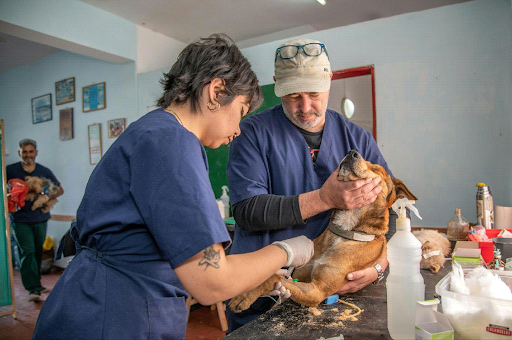
Veterinary services for pets are now merging quality care with strong business models, revolutionizing how pet healthcare is delivered. In this article, you’ll learn how modern veterinary practices are utilizing advanced technology, innovative business models, and strategic planning to ensure both excellent care and financial sustainability through veterinary services for pets merging quality care with strong business models. Get insights into specific strategies and examples that are shaping the future of veterinary care.
The Evolution of Veterinary Services
The evolution of veterinary medicine reflects a critical transition towards advanced technology and improved care methods. Veterinary practices have moved beyond traditional clinics, adopting modern approaches that enhance diagnostic accuracy and overall pet health.
This transformation is driven by the integration of innovative technologies such as MRI, ultrasound, and digital X-rays, which were once exclusive to human medicine but are now revolutionizing pet healthcare.
From Traditional Clinics to Modern Practices
Today’s veterinary practices are a far cry from the traditional clinics of the past. De novo practices are emerging to meet modern pet owner demands for convenience and personalized care. These practices emphasize:
- Innovative scheduling
- Expanded staff roles
- Work-life balance
- Collaboration within the veterinary team
This approach allows for a more tailored approach to pet healthcare. In countries like Australia and New Zealand, de novo practices mix general practice with emergency services to address community needs effectively.
American de novo practices are setting themselves apart with distinctive brand identities and specialized niche services like preventative care, dental clinics, and urgent care. These practices offer a blank slate for innovation, differentiating themselves from established providers through unique operational strategies tailored to their communities. For example, Modern Animal employs flexible scheduling and data-driven designs to innovate traditional clinic workflows.
Moreover, de novo practices ensure thorough appointments and transparent communication to meet client demand for distinctive care options. This new era of veterinary care is characterized by a commitment to making pet healthcare more accessible and top-quality, as emphasized by industry leaders.
The Role of Technology Integration in Veterinary Care
Technology is revolutionizing veterinary medicine, making it possible to deliver exceptional care in ways previously unimaginable. Telemedicine, for instance, allows pet owners to connect with veterinarians remotely, improving accessibility to veterinary consultations and ensuring continuous care. This integration of telehealth into veterinary practices is becoming a permanent fixture, enabling remote consultations and broadening access to services.
Artificial intelligence (AI) is another game-changer in veterinary care, enhancing diagnostic processes by enabling quicker and more precise analysis of complex medical data. AI technologies are being deployed to detect diseases like Addison’s and leptospirosis in dogs, achieving high accuracy rates in diagnostics.
Additionally, advancements in genetics and personalized medicine are enabling customized treatment plans based on an animal’s specific genetic profile, improving outcomes and minimizing side effects. Beyond high-tech solutions, many practices continue to emphasize preventive care, particularly for larger animals like horses.
Regular parasite control remains a cornerstone of equine health management, and products such as Horse Wormers Worm Paste play an essential role in protecting horses from internal parasites, ensuring their overall health and performance. Combining traditional preventive treatments with modern diagnostics provides a comprehensive approach to animal care.
Business Models Driving Quality Veterinary Care

The veterinary sector is witnessing a surge in innovative business models that drive quality care while ensuring financial sustainability. These strategies include:
- Membership models
- Subscription-based models
- Hybrid revenue approaches These approaches are revolutionizing pet healthcare and meeting the evolving demands of pet owners. The incorporation of a new business model is essential for adapting to these changes.
This section explores how these business operations are shaping the future of veterinary practices.
Membership and Subscription-Based Models
Membership models in veterinary practices create predictable revenue streams and strengthen customer loyalty through regular engagement. These different models offer affordable care options, ensuring that pet owners receive consistent and high-quality veterinary services. These models foster client loyalty and satisfaction, essential for the long-term success of veterinary businesses.
To succeed in these models, veterinary practices must implement systems to manage customer engagement effectively and prevent churn. Regular communication through email marketing campaigns and personalized service can help maintain client interest and participation in membership programs. This approach not only stabilizes revenue but also fosters a community of dedicated pet owners committed to their pets’ health.
Hybrid Revenue Approaches
Combining multiple revenue streams is a powerful strategy for veterinary practices to diversify services and maximize income potential. Offering grooming services, retail sales, and specialized amenities like luxury boarding can significantly enhance customer satisfaction and attract a broader client base. These additional services provide convenience for pet owners and create multiple touchpoints for client engagement.
However, outdoor facilities face challenges such as weather issues and seasonal demand, which require strategic planning to mitigate. Managing these challenges effectively allows veterinary practices to maintain consistent revenue streams year-round, contributing to budget predictability.
The integration of diverse services not only boosts profitability but also positions the practice as a comprehensive pet care provider, catering to the varied needs of pet owners. This merger aligns perfectly with our goal to enhance the overall experience for pet owners.
Financial Considerations for Veterinary Practices

Running a successful veterinary practice requires careful financial planning and management. With Americans spending approximately $147 billion on their pets in 2023, the financial opportunity for veterinary practices is immense.
This section delves into the initial investment and capital requirements, as well as strategies for managing operational costs to ensure financial sustainability.
Initial Investment and Capital Requirements
Starting a veterinary practice demands significant capital investment, with costs varying based on the services offered and location. Franchise operations, for instance, require substantial investment in areas such as facility development and initial inventory. Essential investments also include franchise fees, equipment packages, and working capital for the first 6-12 months. The capital requirement for full-service pet resorts can start at $200,000, while medium investment operations typically range from $50,000 to $200,000.
De novo ventures often face longer timelines to profitability compared to acquired practices due to the need to establish a client base from scratch. Practice owners must carefully consider their risk tolerance and plan for seasonal variations and unexpected expenses to maintain cash flow during challenging periods.
Practice owners must carefully consider their risk tolerance and plan for seasonal variations and unexpected expenses to maintain cash flow during challenging periods. Many veterinarians also explore buying or selling practices as part of their long-term financial planning. In such cases, working with a Veterinary Practice Broker can be invaluable, as these professionals help evaluate the true market value of a clinic, connect buyers with sellers, and streamline complex negotiations. This ensures that practice transitions happen smoothly while protecting the financial and operational stability of the business.
Managing Operational Costs
Effective management of operational costs is crucial for the profitability of veterinary practices. Staffing costs represent the largest ongoing expense, highlighting the need for strategic management. Budgeting for staffing should include not only salaries but also training and benefits costs to ensure comprehensive financial planning. Regular audits and compliance checks are essential to maintain licenses and ensure patient safety.
Documented procedures for routine administrative tasks help ensure consistency and operational efficiency within veterinary practices. Veterinary professionals should also be aware of legal vulnerabilities, including malpractice lawsuits and state board investigations, and implement risk management strategies to mitigate these risks.
Effective management of operational costs enhances the financial sustainability of veterinary practices, ensuring consistent quality care.
Enhancing Client Experience and Patient Care
Enhancing client experience and patient care is at the heart of modern veterinary practices. Client-centric approaches, digital communication, transparent pricing, and expanded hours are essential for meeting the expectations of today’s pet owners, with a strong focus on their needs.
This section explores personalized service and client communication, as well as community engagement and education, as key strategies for delivering exceptional care.
Personalized Service and Client Communication
Building strong client relationships through personalized service and communication is vital for improving pet health outcomes. A relationship-centered approach encourages collaboration between veterinarians and clients, leading to better patient care and strengthening the human animal bond. Utilizing open-ended questions during consultations allows clients to share comprehensive information, reflecting a caring and attentive approach.
Email marketing campaigns can enhance client engagement by keeping pet owners informed about services and promotions. Additionally, leveraging online reviews and testimonials can improve a veterinary practice’s credibility and attract new clients. These strategies not only enhance client satisfaction but also promote long-term loyalty and trust.
Community Engagement and Education
Active community engagement and education are fundamental to fostering trust and loyalty among pet owners. Offering educational programs and community sponsorships helps veterinary businesses build stronger local connections and promote preventive care. Engaging in community education initiatives creates an environment where preventive care is prioritized and understood by pet owners, enhancing overall pet health and pet ownership.
Veterinary practices that actively engage with their communities can foster relationships that enhance client trust and loyalty. These efforts not only benefit the practice but also contribute to the well-being of the local pet population. Prioritizing community engagement helps veterinary practices establish themselves as trusted partners in pet healthcare.
Staffing and Human Resources Management
Human resources management is critical for delivering quality veterinary care. Attracting and retaining skilled veterinarians and support staff is essential for maintaining high standards of business management skills and vet services.
This section discusses strategies for recruiting and retaining skilled veterinary teams, as well as the importance of continuous education and training programs.
Recruiting and Retaining Skilled Veterinary Teams
Recruiting and retaining skilled veterinary teams is essential for the success of any veterinary practice. Innovative scheduling and compensation models can enhance workplace culture and staff well-being, making it easier to attract and retain top talent. In veterinary care, well-prepared staff serve as the primary defense against potential incidents, ensuring patient safety and quality care.
Offering competitive salaries, benefits, and opportunities for professional growth can make a practice more attractive to potential employees. Additionally, fostering a positive work environment and ensuring work-life balance can help retain skilled professionals, reducing turnover and associated costs.
Professional Development and Training Programs
Continuous education and training programs are vital for improving patient outcomes and fostering a culture of excellence within veterinary practices. Training expenses, along with benefits and turnover costs, should be a key part of the budget for veterinary practices. Staff training must include:
- Recognizing animal behavior
- Safe handling techniques
- Emergency procedures
- Customer communication protocols
De novo practices enhance workplace culture and team well-being by implementing innovative scheduling and collaborative compensation models in training structures. Investing in professional development equips veterinary teams with the latest knowledge and skills, ultimately improving patient care quality.
Marketing and Growth Strategies for Veterinary Practices
Effective marketing strategies and growth opportunities are crucial for the success of veterinary practices. With a robust online presence and strategic expansion, veterinary practices can attract more pet owners and meet the growing demand for quality pet care.
This section explores digital marketing and online presence, as well as strategies for expanding services and market reach.
Digital Marketing and Online Presence
A strong online presence is essential for veterinary practices to reach new clients and enhance brand visibility. Utilizing search engine optimization (SEO) ensures that potential clients can discover veterinary practices when searching for specific services online. A comprehensive digital marketing strategy includes leveraging social media platforms and optimizing content for search engines, allowing practices to engage with pet owners and promote their services effectively.
Establishing a user-friendly website optimized for mobile can significantly enhance client engagement and appointment bookings. By maintaining an active online presence, veterinary practices can build credibility, attract new clients, and foster long-term relationships with existing ones.
Expanding Services and Market Reach
Expanding services and market reach is essential for meeting the growing demand of pet owners seeking quality care. Establishing multiple locations can enhance a veterinary practice’s market reach, making it more accessible to pet owners in various areas. This approach not only extends access to veterinary services but also allows practices to cater to a broader geographic area.
Adding specialized treatments can attract diverse clientele and respond to the varying health needs of pets. By offering a range of services, including grooming and retail stores, veterinary practices can create a comprehensive pet care experience that meets the needs of pet owners.
This expansion strategy positions veterinary practices as market leaders, capable of delivering exceptional care to a growing client base.
Future Trends in Veterinary Services

The veterinary sector is constantly evolving, with new trends and innovations shaping the future of pet care in the veterinary world. Understanding these emerging trends can help practice owners find a path forward and investors make strategic decisions.
This section explores innovations in veterinary medicine and the impact of data-driven approaches.
Innovations in Veterinary Medicine
The de novo veterinary practice model is evolving, driven by technology and service delivery innovations. Veterinarians are using artificial intelligence to detect diseases like Addison’s and leptospirosis in dogs, achieving high accuracy rates in diagnostics. Modern practice information management systems (PIMS) streamline operations by integrating electronic medical records, appointment scheduling, and invoicing functionalities.
Telehealth tools enable veterinarians to maintain continuity of care through video calls, messaging, and secure communication with clients. Online scheduling systems improve client convenience, allowing patients to book appointments anytime and reducing no-show rates. Additionally, digital radiography offers instant image acquisition and superior image quality, facilitating better integration with electronic medical records.
Wearable devices are becoming more common in veterinary care, providing valuable health and behavioral data for individual animals. In equine practices, there is growing attention on long-term musculoskeletal health, particularly for performance horses.
Supplements like 4Cyte Joint Supplements for Horses are increasingly recommended by veterinarians to support mobility, joint repair, and overall quality of life. When combined with innovations like 3D-printed prosthetics and digital imaging, these targeted health products create a holistic framework for proactive care that improves both longevity and performance in horses.
The Impact of Data-Driven Approaches
Data-driven approaches in veterinary services enable informed decision-making by leveraging:
- Analytics and insights derived from patient records and treatment outcomes.
- Integration of technology such as electronic health records, allowing veterinary professionals to analyze trends and make data-informed choices that improve care delivery.
- Predictive analytics to anticipate the health needs of pets, enabling practices to proactively address medical conditions.
Data-driven strategies are essential in enhancing patient outcomes by facilitating:
- Personalized care plans tailored to individual pets’ health requirements.
- Improved monitoring of chronic conditions, resulting in better management and outcomes for affected pets.
- Analysis of treatment efficacy data, allowing veterinary practices to refine protocols and significantly boost success rates.
Moreover, a data driven approach enhances operational efficiency by optimizing staffing models and resource allocation based on real-time data analysis. These strategies not only improve patient care but also contribute to the overall effectiveness and sustainability of veterinary practices.
Summary
The landscape of veterinary services is undergoing a significant transformation, driven by the integration of advanced technology and innovative business models. From the evolution of traditional clinics to modern de novo practices, the emphasis on personalized care, client engagement, and community education is revolutionizing pet healthcare. Financial considerations, effective human resources management, and strategic marketing are essential for the sustainability and growth of veterinary practices.