Venu Chitale: The Trailblazing Indian Writer and BBC Radio Broadcaster Who Bridged Two Worlds
A Remarkable Journey from Colonial India to Wartime Britain and Beyond

Introduction
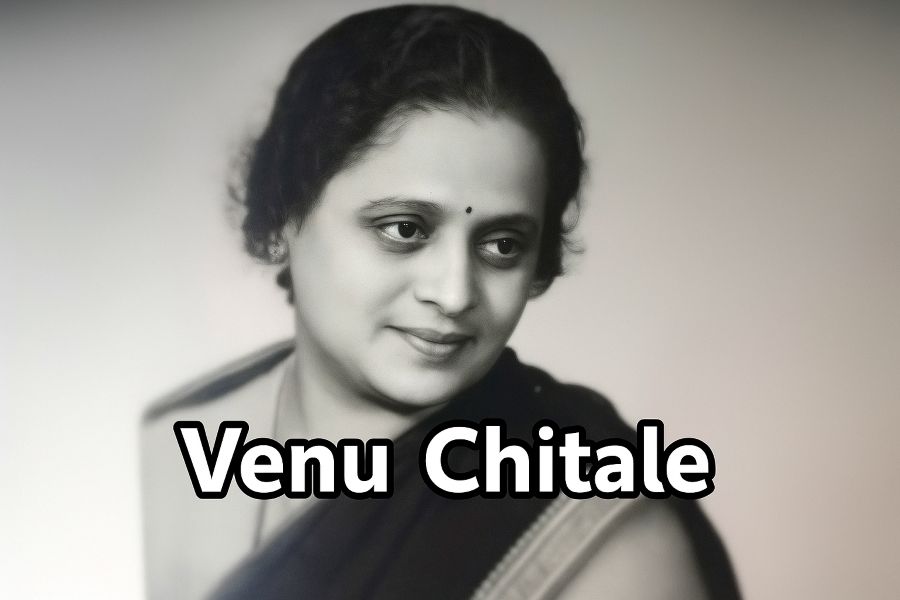
Venu Chitale was a pioneering Indian writer and BBC Radio broadcaster whose voice and vision transcended borders. Born in 1912 in Maharashtra, India, she rose to prominence during a period when few Indian women stepped into international arenas. Her work at the BBC during World War II and her contributions to Indian literature made her a symbol of courage, intellect, and creativity. Through her broadcasts and writing, Venu Chitale became a bridge between Indian and British societies at a crucial historical juncture.
Table of Contents
ToggleHer story is not just about broadcasting and writing—it’s about resilience, representation, and redefining identity. From her early education in India to her intellectual and professional journey in Britain, she embodied a rare blend of tradition and modernity. Venu’s life was shaped by education, opportunity, and a deep desire to communicate her culture to the world.
Quick Bio
| Attribute | Details |
|---|---|
| Full Name | Venu Dattatreye Chitale |
| Date of Birth | 28 December 1912 |
| Place of Birth | Shirol, Kolhapur State, Maharashtra, India |
| Nationality | Indian |
| Ethnicity | Marathi |
| Profession | Indian Writer, BBC Radio Broadcaster, Journalist |
| Languages | Marathi, English, Hindustani |
| Education | Huzurpaga Girls’ School, St. Columba High School, Wilson College, University College London, University of Oxford |
| Spouse | Ganesh Khare |
| Children | One daughter – Nandini Apte |
| Died | 1 January 1995, Mumbai, India |
Early Life and Education
Venu Chitale was born into a Marathi-speaking family in Shirol, Kolhapur. She was the second youngest of seven children and lost her parents at a young age. Her early education took place at Huzurpaga Girls’ School in Pune and St. Columba High School in Mumbai. From an early age, she showed a flair for learning and language, which set her apart from many of her contemporaries.
At Wilson College, Mumbai, she encountered mentors who nurtured her intellectual curiosity. One of them, Johanna Adriana Quinta Du Preez, became a guiding influence and later took Venu to England. This move transformed her life and opened new horizons of education and culture. Her studies at University College London and later at Oxford deepened her understanding of communication, culture, and pedagogy.
Career Beginnings
Venu’s career began in Britain in the mid-1930s, a time when the world was heading toward war. Her early experiences as a student and volunteer during the Second World War gave her both discipline and empathy. She served as a volunteer with the Air Raid Precautions Unit in Oxford, demonstrating her commitment to community service even in a foreign land.
This period marked the beginning of her journey into broadcasting. Her fluency in languages, her clear diction, and her confident personality made her an ideal candidate for radio. Soon after, she joined the BBC India Section in London, working under the guidance of the famous writer and producer George Orwell.
BBC Career and Contributions
At the BBC, Venu Chitale became one of the first Indian women to make her mark as a BBC Radio broadcaster. She began as Orwell’s secretary but quickly advanced to producing and presenting programmes for both Indian and British audiences. Her Marathi and English broadcasts covered a range of topics—from news and cultural commentary to cooking advice for wartime Britain.
One of her most popular shows involved vegetarian cooking during meat rationing, offering British listeners creative alternatives. Through her work, she subtly introduced aspects of Indian lifestyle and culture to Western audiences. Beyond radio, she worked for the India League alongside V. K. Krishna Menon, promoting India’s independence movement in Britain. Her dual role as a cultural ambassador and activist made her one of the most influential Indian voices of her time.
Career Timeline
| Year | Event |
|---|---|
| 1912 | Born in Shirol, Kolhapur State, Maharashtra, India |
| 1934 | Traveled to England for higher education |
| 1939–1940 | Volunteered in the Oxford Air Raid Precautions Unit |
| 1940 | Joined BBC India Section; worked with George Orwell |
| 1944 | Joined India League under V. K. Krishna Menon |
| 1947 | Returned to India after independence |
| 1950 | Published novel In Transit |
| Post-1950 | Contributed to Marathi newspaper Navshakti and All India Radio |
| 1995 | Passed away in Mumbai, India |
Writing and Literary Work
After returning to India in 1947, Venu continued to write and engage with literature. Her novel In Transit was published in 1950, receiving critical praise for its portrayal of an Indian family navigating change in pre- and post-war society. The preface by Mulk Raj Anand underscored her literary credibility.
The book combined her Western exposure and Indian roots, reflecting themes of identity, displacement, and modernity. Her writing also appeared in newspapers like Navshakti, where she discussed social issues and cultural transformation in post-independence India. She occasionally appeared on All India Radio, connecting with audiences in her native Marathi.
Personal Life
In 1950, Venu married Ganesh Khare, a chartered accountant, and later became known as Leela Ganesh Khare. The couple had one daughter, Nandini Apte. Her personal life remained largely private, but those who knew her described her as humble, articulate, and committed to intellectual growth. She lived a simple yet impactful life, balancing family responsibilities with her passion for writing and communication.
Legacy and Influence
Venu Chitale’s life remains an inspiring example of cultural diplomacy, courage, and intellect. She was one of the few Indian women in the 1940s to work at the BBC and speak directly to audiences across continents. Her broadcasts helped humanize Indians to the British public during a time of political tension.
Her legacy lives on through her literary and broadcasting contributions. In 2023, Google honored her with a Google Doodle celebrating her 111th birthday. Her story continues to inspire young journalists, writers, and women who strive to break barriers in global media.
Conclusion
Venu Chitale’s journey from a small town in Maharashtra to the studios of the BBC in London is a tale of determination and brilliance. She was not just an Indian writer or a BBC Radio broadcaster—she was a symbol of India’s emerging intellectual voice during a transformative era. Her broadcasts, writings, and activism brought together two worlds that were often divided by colonial lines.
She remains a shining figure of resilience, demonstrating how education and communication can build bridges across cultures. Her life story continues to resonate as a powerful reminder that one voice—when driven by courage and conviction—can echo across history.
Frequently Asked Questions (FAQ)
1. Who was Venu Chitale?
Venu Chitale was an Indian writer, journalist, and BBC Radio broadcaster known for her work in Britain during World War II and her post-independence contributions to Indian literature.
2. What was Venu Chitale famous for?
She was one of the first Indian women to work for the BBC, where she broadcast in English and Marathi and assisted George Orwell. She was also the author of the novel In Transit.
3. When and where was Venu Chitale born?
She was born on 28 December 1912 in Shirol, Kolhapur State, Maharashtra, India.
4. What were her main contributions to broadcasting?
She brought Indian perspectives to BBC radio, hosted cultural and cooking shows, and used broadcasting as a tool for cultural exchange.
5. What is Venu Chitale’s legacy today?
Her life stands as a symbol of women’s empowerment, cross-cultural communication, and literary excellence. She remains a celebrated figure in both India and Britain.