Battery Capacity Tester: The Essential Tool for Maintaining Your Power Systems

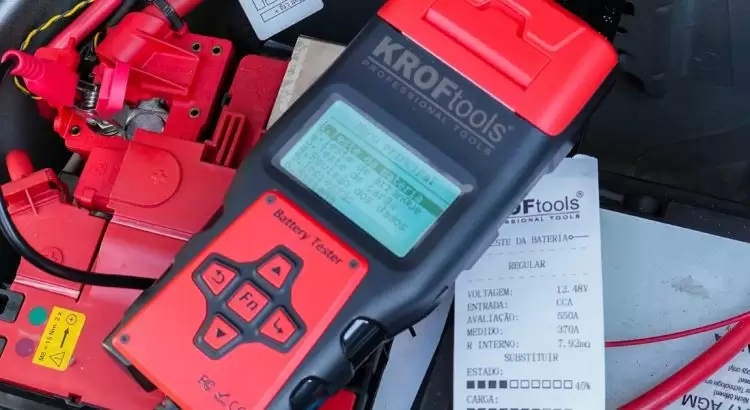
Understanding the true health of your batteries makes the difference between reliable power and unexpected failures. A battery might show full voltage on a simple meter while actually holding only a fraction of its original capacity. This mismatch between appearance and reality causes frustrating situations where batteries fail much sooner than expected. A battery capacity tester solves this problem by measuring the actual amount of energy a battery can store and deliver.
Whether you maintain solar power systems, manage UPS backups, work with electric vehicles, or simply want to maximize the value from rechargeable batteries, capacity testing provides information that basic voltage checks can’t reveal. This comprehensive guide explains what battery capacity testers do, why they matter, and how to use them effectively for maintaining your power systems.
What Is Battery Capacity and Why Does It Matter?
Battery capacity refers to the total amount of electrical energy a battery can store, typically measured in amp-hours (Ah) or milliamp-hours (mAh). A new 100Ah battery should deliver five amps for 20 hours, or 10 amps for 10 hours, before becoming fully discharged. Over time and through repeated charge cycles, batteries lose capacity even when they still function.
This capacity loss happens gradually and invisibly. A three-year-old battery might retain only 60% of its original capacity, meaning your 100Ah battery now performs like a 60Ah battery. Without proper testing, you won’t discover this degradation until the battery fails to provide enough runtime during a critical moment. Regular checks with a battery capacity tester catch these problems early and help you plan replacements before failures occur.
How Battery Capacity Testers Work
A battery capacity test involves more than simply checking voltage. These specialized devices measure capacity by actually discharging the battery under controlled conditions while monitoring performance.
The Discharge Testing Method
The most accurate battery capacity tester devices use discharge testing. They connect to your battery and draw a specified current while measuring how long the battery maintains adequate voltage. By tracking discharge time and current draw, the tester calculates actual capacity. This process reveals the true energy storage capability rather than just showing surface voltage.
Some advanced models include charging capabilities, allowing them to fully charge the battery first, then discharge it completely, and finally recharge it for continued use. This complete cycle provides the most accurate capacity measurement and leaves your battery ready for service.
Real-Time Monitoring and Data
Modern battery capacity tester units display real-time information during testing. You can watch voltage, current, discharge time, and calculated capacity as the test progresses. Many models store test results for comparison over time, helping you track battery degradation and predict when replacement becomes necessary. This historical data proves invaluable for maintenance planning and budgeting.
Benefits of Regular Capacity Testing
Incorporating capacity testing into your maintenance routine delivers multiple advantages that justify the investment in proper testing equipment.
Accurate Battery Health Assessment
Simple voltage testing tells you almost nothing about battery capacity. A degraded battery might show 12.6 volts when fully charged but deliver only half its rated capacity. A battery capacity tester reveals this hidden degradation by measuring actual performance under load. This accuracy prevents you from relying on batteries that appear healthy but can’t deliver adequate power when needed.
Extended System Reliability
Knowing your batteries’ true capacity helps you maintain reliable power systems. You can replace batteries before they fail rather than after they’ve caused downtime. For backup power systems, solar installations, or any application where battery failure means lost productivity or data, this proactive approach prevents costly problems.
Optimized Battery Replacement Timing
Batteries represent significant investments, especially in larger systems. Testing capacity regularly helps you squeeze maximum value from batteries by using them until they actually need replacement, not replacing them prematurely based on age alone. Conversely, testing prevents you from keeping failing batteries in service too long, which can damage other system components.
Better Budget Planning
When you track battery capacity over time using it, you can predict when batteries will need replacement. This foresight allows you to budget for replacements and order batteries before urgent needs arise. Avoiding emergency purchases often means better prices and more convenient scheduling.
How to Test Battery Capacity Effectively
Learning the proper procedure ensures accurate results and safe testing practices.
Pre-Test Preparation
Before conducting a battery capacity test, ensure the battery is fully charged according to the manufacturer’s specifications. Most testers require a full charge to provide accurate measurements. Check that all battery connections are clean and tight. Corroded terminals can affect test results and potentially damage your tester.
Verify that you have adequate time for testing. Capacity tests take hours to complete, depending on battery size and the discharge rate used. Plan to monitor the test periodically, even if your battery capacity tester operates automatically. Never leave testing equipment unattended for extended periods without proper safety precautions.
Setting Test Parameters
Configure your battery capacity tester with the correct parameters for your battery type. Set the discharge current appropriate for your battery’s capacity—typically 10% to 20% of the rated capacity for deep cycle batteries. For example, discharge a 100Ah battery at 10-20 amps. Set the cutoff voltage according to battery chemistry—usually 10.5V for 12V lead-acid batteries, 9V for lithium systems, or whatever the manufacturer specifies.
Incorrect test settings can damage batteries or provide inaccurate results. Always consult your battery’s specifications and your tester’s manual when establishing test parameters.
Conducting the Test
Connect the battery capacity tester to your battery following the manufacturer’s instructions. Double-check polarity to avoid damaging the tester or battery. Start the test and verify that the tester begins drawing current and recording data. Monitor the initial readings to confirm everything operates correctly.
During the test, check progress periodically. Watch for any unusual behavior like rapid voltage drops, excessive heat, or error messages. Quality testers include safety features that automatically stop testing if problems occur, but human oversight adds an extra safety layer.
Interpreting Results
When the test completes, compare the measured capacity to the battery’s rated capacity. Batteries showing 80% or more of rated capacity generally remain suitable for continued service. A capacity between 50-80% indicates aging batteries that may need replacement soon, depending on your application’s demands. Anything below 50% typically warrants immediate replacement.
Remember that capacity ratings vary with discharge rate. A battery might show different capacity at a 5-amp discharge versus a 20-amp discharge. Compare results using consistent test parameters for accurate tracking over time.
Types of Battery Capacity Testers
Different tester designs suit different needs and budgets.
Portable Handheld Models
These compact battery capacity tester devices work well for testing smaller batteries like those in power tools, drones, or portable electronics. They typically handle batteries from a few hundred milliamp-hours up to tens of amp-hours. Most include basic capacity testing with simple displays showing voltage, current, and calculated capacity.
Benchtop Professional Units
Professional-grade testers offer higher precision, broader testing ranges, and advanced features. These models handle everything from small cells to large battery banks. Many include computer connectivity for detailed data logging and analysis. While expensive, they provide the accuracy and reliability needed for professional maintenance operations or research applications.
Integrated System Monitors
Some battery management systems include built-in capacity testing functions. These monitors continuously track battery performance and can run periodic capacity tests automatically. For critical applications with expensive battery banks, integrated monitoring provides ongoing health assessment without manual testing.
Building an Effective Testing Schedule
Systematic testing catches problems before they cause failures. Here’s a practical approach to battery capacity monitoring:
- Test new batteries to establish baseline capacity
- Conduct quarterly tests for critical backup systems
- Test semi-annually for less critical applications
- Perform annual comprehensive testing for all batteries
- Test immediately after any unusual events (deep discharge, overheating)
- Track results in a maintenance log for trend analysis
- Schedule replacement when capacity drops below acceptable thresholds
- Clean terminals and connections before each test
- Verify charger performance alongside battery testing
Maintain Power System Reliability
A battery capacity tester provides the information you need to maintain reliable power systems confidently. Rather than guessing about battery health or replacing batteries on arbitrary schedules, you can make decisions based on actual performance data. This approach saves money, prevents downtime, and ensures your backup power works when you need it most.
Investing in proper testing equipment and establishing a regular testing routine transforms battery maintenance from reactive troubleshooting to proactive management. Your batteries will deliver their full useful life, your systems will operate more reliably, and you’ll avoid the frustration and expense of unexpected battery failures.