There’s something fascinating happening in the world of content creation. More people are discovering that AI writing tools can actually help them sound more like themselves, not less. If you’ve experimented with AI and felt disappointed by the robotic results, or if you’re worried about your content seeming artificial, you’re not alone. The good news is that creating natural-sounding content with AI isn’t about tricking systems—it’s about understanding how to communicate effectively with these tools and then adding your essential human touch.
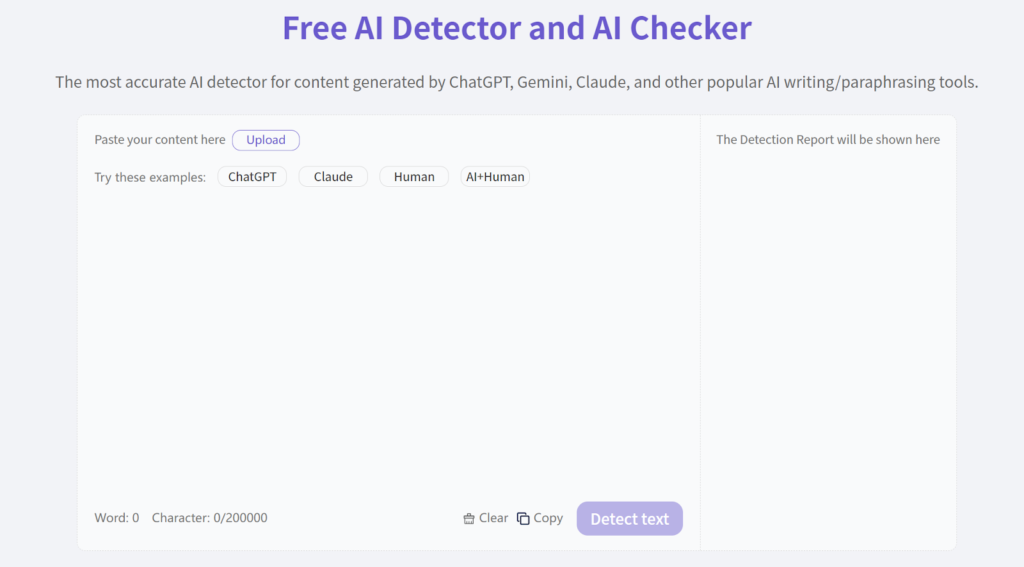
Before diving into techniques, let’s address why this matters. When readers encounter overly polished, pattern-heavy writing, they disengage. It doesn’t matter whether they consciously recognize it as AI-generated or simply find it boring—the result is the same. Your message gets lost. Meanwhile, tools that function as an AI Detector have become more sophisticated, but they’re not your real adversary. Your actual challenge is creating content that connects with real people on a human level.
Think about the last article that truly grabbed your attention. Chances are, it had a distinct voice, maybe told a story, perhaps admitted to not having all the answers. That authenticity is what keeps readers engaged, builds trust, and ultimately makes your content valuable. AI can help you achieve this faster, but only if you approach it correctly.
Rethinking Your Prompts
Most people’s first attempts at AI writing go something like this: “Write a blog post about healthy eating.” The AI dutifully complies, producing a generic article that could have been written for anyone, by anyone. This is where natural writing begins—not in the editing phase, but in how you frame your initial request.
Transform your prompts into rich conversations. Provide context about your audience, your perspective, and your goal. Describe the tone you want: enthusiastic? skeptical? thoughtful? Include constraints that force variety: “Use at least one rhetorical question, include a contrarian viewpoint, and make sure the introduction hooks readers immediately.” The more guidance you give, the less editing you’ll need later to humanize the content.
Consider building a “voice profile” for yourself. What phrases do you use frequently? Do you prefer short, punchy sentences or longer, flowing ones? Are you comfortable with casual contractions or do you lean slightly more formal? Feed this information to the AI, and it’ll adapt its output accordingly.
The Layered Creation Method
Professional writers rarely produce polished work in a single draft, and the same should apply to AI-assisted writing. Think of content creation as happening in layers, each adding depth and authenticity. Start with the AI generating an outline or framework. Review it critically—does the structure make sense? Does it flow logically?
Next, have the AI expand each section, but do them one at a time rather than asking for the complete article at once. This gives you opportunities to redirect and refine as you go. After generating the first section, you might realize the tone needs adjustment for subsequent sections. Or you might discover that one point deserves more emphasis while another should be condensed.
Between each layer, read what you have aloud. Your voice is an incredible detector for unnatural phrasing. If you stumble over a sentence while reading it, your audience will stumble while reading it too. Mark those spots for revision, then work with the AI to rephrase them more naturally.
Injecting Personality and Perspective
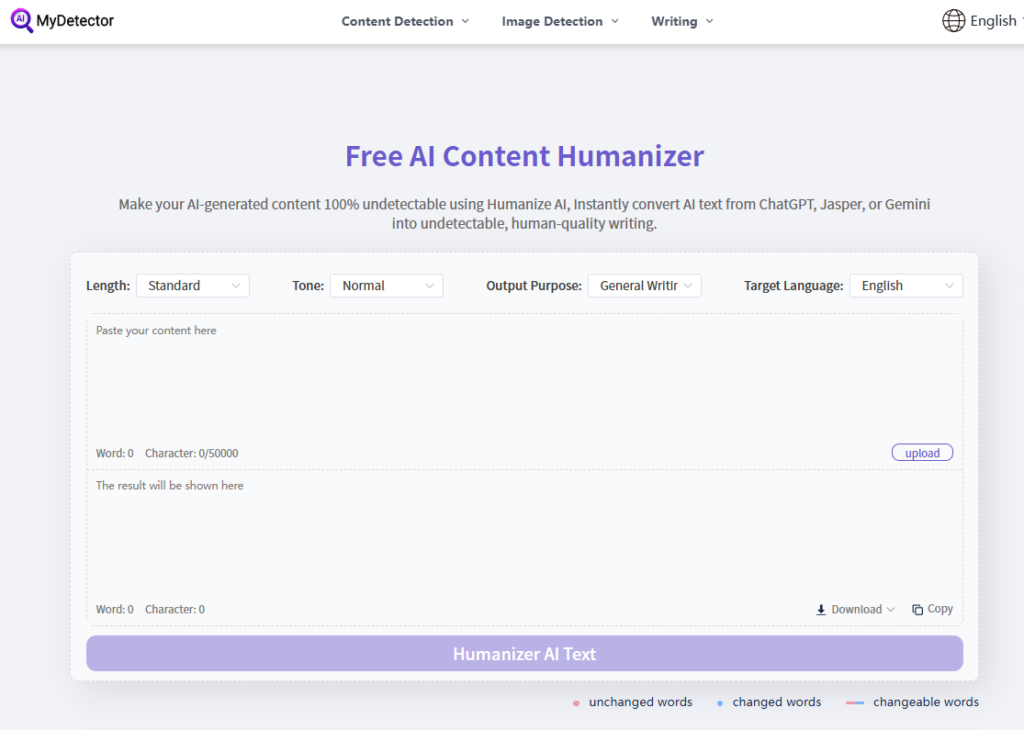
Here’s where an AI Content Humanizer mindset becomes crucial. AI generates content based on patterns, but personality comes from choices—often unpredictable ones. You might share a personal failure that taught you something valuable. You could reference a popular TV show to illustrate a point. Maybe you’ll admit that conventional wisdom on a topic has always confused you.
These personal elements can’t easily be replicated by AI unless you explicitly guide it to include them. As you review AI-generated content, actively look for opportunities to insert yourself. Where could a quick aside make the point clearer? Where would a specific example from your own experience make the content more credible? Where could acknowledging a common objection show you understand your readers’ concerns?
Don’t be afraid to disagree with what the AI wrote, even if it’s technically correct. If the AI suggests “many experts recommend” something, but you’ve found a different approach works better, say so. Your unique perspective is what makes your content valuable.
Mastering the Rhythm of Natural Language
One overlooked aspect of natural writing is rhythm. Human writing has flow—sometimes fast-paced, sometimes contemplative. Sentences vary in length and structure. Paragraphs breathe, with white space giving readers mental breaks.
AI often defaults to moderate-length sentences with similar grammatical structures. Combat this by intentionally varying your sentence patterns during editing. Follow a long, complex sentence with a short one. Really short. See how that creates emphasis? Use fragments occasionally. Start sentences with conjunctions when it feels right, because that’s how people actually communicate.
Pay attention to paragraph length too. While AI might consistently generate paragraphs of four to five sentences, human writers instinctively vary this. A single-sentence paragraph can create dramatic impact. Longer paragraphs work when developing complex ideas. Trust your instincts about what feels right.
The Research Integration Challenge
One area where AI-assisted content often falls flat is in handling facts, statistics, and references. AI might insert generic statements like “studies show” or “research indicates” without specific citations. This vagueness immediately signals artificial content.
Combat this by doing your own research and instructing the AI to incorporate specific information you provide. Instead of letting the AI make up statistics, feed it real data: “According to a 2024 study from Stanford University showing that 68% of knowledge workers use AI tools, explain why this matters for productivity.” This grounds your content in reality and adds credibility that generic AI output lacks.
Building in Natural Imperfections
Paradoxically, making your writing sound more human sometimes means making it slightly less polished. This doesn’t mean introducing spelling errors or grammatical mistakes, but rather embracing the way real human thought progresses. We sometimes circle back to earlier points with “as I mentioned before” or “come to think of it.” We qualify statements with “in my experience” or “it seems like.” We acknowledge when something is just our opinion rather than objective fact.
AI tends to present information with confident authority. While this can be appropriate for some content, it often feels unnaturally certain. As you edit, look for places to soften overly definitive statements or acknowledge complexity and nuance. “This usually works, though there are exceptions” sounds more human than “This works.”
Conclusion
Learning to create natural content with AI assistance is a skill that improves with practice. Each piece you write teaches you more about effective prompting, efficient editing, and authentic expression. The goal isn’t to hide AI involvement but to use AI as a catalyst for expressing your ideas more effectively and efficiently.
Remember that the most natural-sounding content comes from a genuine collaboration between your unique perspective and AI’s capabilities. You bring expertise, creativity, and authentic voice. AI brings structure, speed, and tireless iteration. Together, they create content that serves your audience while respecting your time—and that’s the real measure of success.
Backlinks Hub highly experienced SEO Team with over 4 years of experience. WE are working as contributors on 1000+ reputable blog sites. If You Need Guest Post and Our Seo Services Contact.