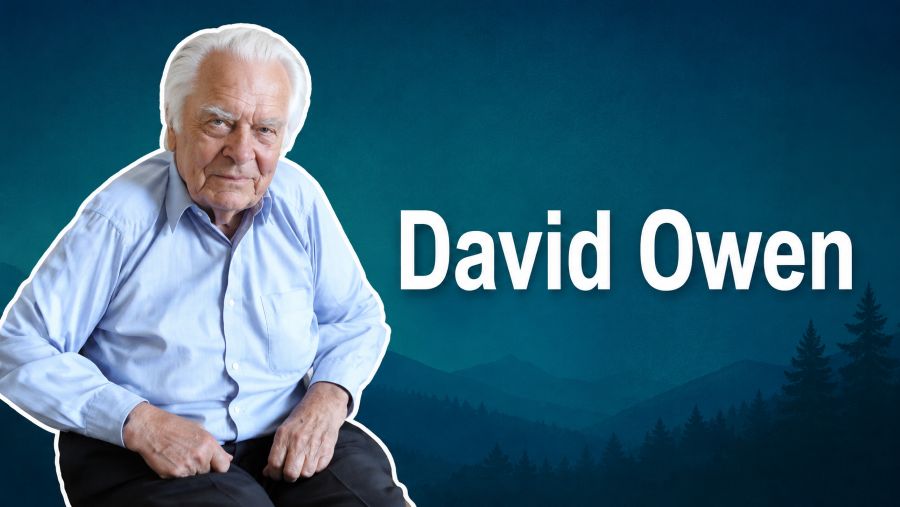
David Owen Powerful Legacy of Britain’s Doctor Statesman Diplomat
A balanced biography of Lord Owen’s public journey

Introduction
David Owen is one of the most notable British public figures of the late twentieth century. Known formally as David Anthony Llewellyn Owen, he built a rare career that moved from medicine into national politics, foreign policy, party leadership, international diplomacy, and authorship. His public title, The Rt Hon. the Lord Owen CH, reflects a long life of service in British public affairs.
Table of Contents
ToggleLord Owen is best known as a former UK Foreign Secretary, a co-founder of the Social Democratic Party, and a European peace negotiator during the conflict in the former Yugoslavia. His career has been praised for courage, independence, and intellectual seriousness, but it has also faced criticism because of his strong opinions, political breaks, and difficult decisions.
Quick Bio
| Field | Details |
|---|---|
| Full Name | David Anthony Llewellyn Owen |
| Known As | David Owen, Lord Owen |
| Public Title | The Rt Hon. the Lord Owen CH |
| Date of Birth | 2 July 1938 |
| Age | 87 years old as of May 2026 |
| Birthplace | Plymouth, England |
| Nationality | British |
| Profession | Politician, physician, author, diplomat |
| Spouse | Deborah Schabert |
| Children | Two sons and one daughter |
| Parents | John William Morris Owen and Mary Llewellyn Owen |
| Famous For | Former UK Foreign Secretary and SDP co-founder |
| Current Status | Retired from the House of Lords |
Early Life of David Owen
David Owen was born on 2 July 1938 in Plymouth, England. His full name is David Anthony Llewellyn Owen, and his family background was strongly connected with medicine and public service. His father, John William Morris Owen, was a doctor, while his mother, Mary Llewellyn Owen, was also from a professional medical background.
His early life helped shape his serious and disciplined personality. Growing up during a period affected by war and political change gave him an early awareness of national affairs. These experiences later influenced his interest in government, foreign policy, health, and leadership.
Education and Medical Training
David Owen studied medicine before entering politics. He attended Sidney Sussex College, Cambridge, and later trained at St Thomas’s Hospital, London. This education gave him a professional foundation that was different from many politicians of his generation.
His medical training was important because it gave him direct experience of hospitals, patients, research, and public health. Before becoming a full-time political figure, Lord Owen worked in neurological and psychiatric medicine, which later influenced his writing about illness, leadership, and decision-making.
Family Background and Personal Life
David Owen married Deborah Schabert, an American literary agent, in 1968. The couple have two sons and one daughter. His family life has remained more private than his public career, and he is mainly known for his work in politics, diplomacy, and writing.
His parents, John William Morris Owen and Mary Llewellyn Owen, played an important role in his early environment. Because both parents were connected with medicine, David Owen grew up in a household where professional responsibility, education, and public duty were valued.
Simple Family Overview
David Owen’s family background can be described simply. His father was John William Morris Owen, his mother was Mary Llewellyn Owen, and his wife is Deborah Schabert. He and Deborah Schabert have three children, two sons and one daughter.
This verified family information is enough to understand his personal background without adding unsupported details. No confirmed public information is included here about siblings, religion, height, weight, or private health matters.
Start of Career
David Owen began his professional life in medicine. He worked at St Thomas’s Hospital and built experience in neurological and psychiatric fields. This early medical work gave him a strong technical and human understanding of health issues.
His political career started when he stood for Parliament in the 1960s. In 1966, David Owen was elected as a Labour Member of Parliament for Plymouth Sutton. This marked the beginning of a long parliamentary career that continued until 1992.
Political Career Overview
David Owen served as a Member of Parliament for Plymouth constituencies for 26 years. He first represented Plymouth Sutton and later represented Plymouth Devonport. During this period, he became known as an energetic and ambitious Labour politician.
He held several government roles, including positions connected with defence, health, and foreign affairs. His experience in health policy was strengthened by his medical background, while his later foreign policy work made him a national and international figure.
David Owen as Foreign Secretary
One of the most important stages in David Owen’s career came when he became UK Foreign Secretary in 1977. He served in that role until 1979 under Prime Minister James Callaghan. This position placed him at the center of British foreign policy during a difficult period of Cold War politics and international challenges.
As Foreign Secretary, Lord Owen dealt with serious questions about Britain’s role in the world, relations with Europe, global diplomacy, and human rights. His time in the Foreign Office strengthened his reputation as a serious, direct, and sometimes controversial political leader.
Social Democratic Party and Political Change
In 1981, David Owen became one of the leading figures who left the Labour Party and helped form the Social Democratic Party. This group was widely known as the “Gang of Four,” alongside Roy Jenkins, Shirley Williams, and Bill Rodgers.
The formation of the SDP was a major moment in British political history. Supporters saw it as a brave attempt to create a moderate political alternative, while critics saw it as a damaging split in the Labour movement. This was both a positive and negative chapter in Lord Owen’s career because it showed courage but also created political division.
House of Lords and Later Public Service
After leaving the House of Commons in 1992, David Owen became a life peer as Lord Owen. He served in the House of Lords for more than three decades, continuing to speak on foreign policy, defence, Europe, health, and constitutional issues.
Lord Owen retired from the House of Lords in 2024. His retirement marked the end of a long formal parliamentary career, but it did not end his public influence. He continued to write and comment on major political and international matters.
International Diplomacy
David Owen also played an important role in international diplomacy after his Commons career. From 1992 to 1995, he served as a European peace negotiator in connection with the conflict in the former Yugoslavia.
This work included involvement in peace plans connected with Bosnia. It was a difficult and highly sensitive diplomatic role. Some people respected his effort to find peace in a violent conflict, while others criticized the limits and outcomes of the negotiations.
Writing and Books
David Owen is also a well-known author. His books cover politics, foreign policy, health, Russia, Europe, leadership, and the relationship between illness and power. His writing reflects both his medical training and political experience.
One of his major public ideas is connected with “hubris syndrome,” a concept about how power can affect leaders’ judgment. This theme shows how Lord Owen combined his medical knowledge with his long observation of political leadership.
Business Roles and Public Interests
After his major government career, David Owen held several non-political roles connected with business, healthcare, advisory work, and public organizations. These roles reflected his continued interest in international affairs, health, policy, and governance.
His income sources over time have included public service, writing, publishing, consultancy, and business-related roles. However, his exact personal net worth and exact salary are not reliably confirmed, so they are not included as facts in this article.
Career Timeline
| Year | Career Event |
|---|---|
| 1938 | David Owen was born in Plymouth, England |
| 1950s | Studied medicine at Cambridge |
| 1960s | Trained and worked at St Thomas’s Hospital |
| 1966 | Elected Labour MP for Plymouth Sutton |
| 1968–1970 | Served as Parliamentary Under-Secretary for the Royal Navy |
| 1974 | Became MP for Plymouth Devonport |
| 1974–1976 | Served in health-related government roles |
| 1976–1977 | Served as Minister of State at the Foreign Office |
| 1977–1979 | Served as UK Foreign Secretary |
| 1981 | Helped form the Social Democratic Party |
| 1983–1987 | Led the SDP |
| 1988–1990 | Led the continuing SDP |
| 1992 | Became Lord Owen in the House of Lords |
| 1992–1995 | Worked as a European peace negotiator |
| 1996–2009 | Served as Chancellor of the University of Liverpool |
| 2024 | Retired from the House of Lords |
Career Achievements
David Owen’s achievements include a long parliamentary career, service as Foreign Secretary, leadership of the SDP, work in international diplomacy, and a strong record as an author. These achievements make him an important name in modern British political history.
His career is powerful because it crossed several fields. Few public figures have combined medicine, elected politics, foreign affairs, party leadership, international peace work, and public writing in the same way.
Positive and Negative View of His Career
The positive view of David Owen is that he was independent, intelligent, brave, and serious about national and international issues. He was not afraid to challenge his own party or take unpopular positions when he believed they were necessary.
The negative view is that his strong personality and political choices sometimes made him divisive. His break from Labour and leadership of the SDP changed British politics, but it also created tension, criticism, and debate about whether that split helped or harmed the political centre-left.
Legacy of Lord Owen
The legacy of Lord Owen is built on independence, public service, and intellectual strength. He is remembered as a doctor who entered politics, a young Foreign Secretary who handled major world issues, and a party founder who tried to reshape the British political centre.
David Owen’s life also shows the difficulty of political leadership. His career brought respect and criticism, success and controversy, influence and opposition. This balanced legacy makes him one of the most distinctive British public figures of his generation.
Conclusion
David Owen, formally David Anthony Llewellyn Owen and publicly known as The Rt Hon. the Lord Owen CH, has lived a long and influential public life. From his early career in medicine to his years in Parliament, his role as Foreign Secretary, his leadership in the SDP, and his diplomatic work, he has remained a serious figure in British public affairs.
His story is not only about political success. It is also about difficult choices, strong beliefs, public criticism, and lasting influence. With a career that connects medicine, politics, diplomacy, and writing, Lord Owen remains an important name in British history.
FAQs
Who is David Owen?
David Owen is a British physician, politician, author, diplomat, and former UK Foreign Secretary.
What is David Owen’s real name?
His real name is David Anthony Llewellyn Owen.
What is David Owen’s public title?
His public title is The Rt Hon. the Lord Owen CH.
When was David Owen born?
David Owen was born on 2 July 1938.
Where was David Owen born?
David Owen was born in Plymouth, England.
Who is David Owen’s wife?
David Owen’s wife is Deborah Schabert.
Who are David Owen’s parents?
His parents are John William Morris Owen and Mary Llewellyn Owen.
Does David Owen have children?
Yes, David Owen has two sons and one daughter.
What is David Owen famous for in politics?
He is famous for serving as UK Foreign Secretary and helping found the Social Democratic Party.
What was David Owen’s career before politics?
Before politics, David Owen trained and worked as a physician in neurological and psychiatric medicine.