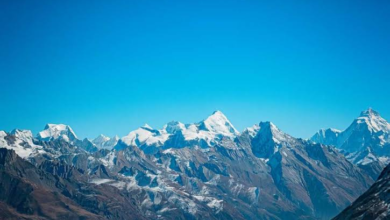
The Khumbu region of Nepal is one of the most famous destinations for its stunning Himalayas. It is home to two peaks above 8,000 meters (Mount Everest and Lhotse), two peaks above 7,500 meters (Nuptse and Pumori), and three peaks above 7,000 meters (Ama Dablam, Baruntse, and Thamserku). Likewise, it has four peaks that range between 6,000 meters and 6,999 meters (Island, Lobuche East, Cholatse, and Kongde Ri). Moreover, it also has several deep valleys, glaciers, rivers, lakes, and traditional Sherpa villages.
The region has both scenic trekking routes and expedition peaks, catering to both trekkers and mountaineers. The Gokyo Lakes Trek and the Ama Dablam Expedition have been the most sought-after options in recent years. It has emerged as the quieter and more relaxed alternative to the classic trails that are overflowing with tourists, especially in peak seasons. This makes it an ideal choice for those who prefer a quiet and relaxed experience. Similarly, given the technical challenge and the scenic views, seasoned climbers are drawn to summit this mountain.
Landscapes
Gokyo Trek
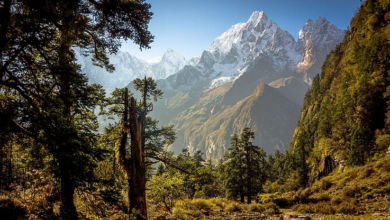
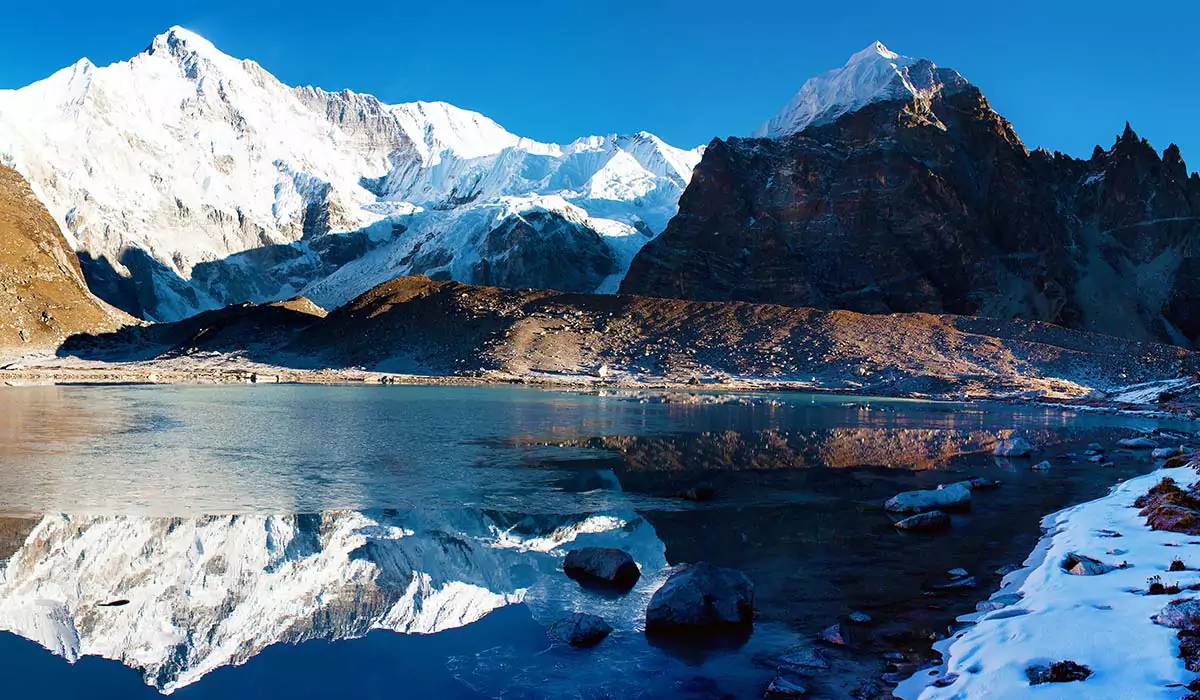
The journey along the Gokyo trail is characterized by varying terrain. Trekkers walk past the traditional Sherpa villages, terraced farmlands, and dense oak, pine, and rhododendron forests. After passing Namche Bazaar, the landscape shifts to alpine valleys, encircled by towering, snow-covered peaks. The major highlight of the journey is the six turquoise lakes that are the highest-elevation lake cluster in the world. It consists of Longpongo, Taboche Tsho, Dudh Pokhari, Thonak Tsho, Ngozumpa Tsho, and Gyazumpa Tsho. Likewise, trekkers get to witness the largest glacier in Nepal—the Ngozumpa glacier. Ascending Gokyo Ri reveals the sweeping vistas of Mount Everest, Lhotse, Cho Oyu, and numerous neighboring mountains.
Ama Dablam Summit

It follows the same route until Namche Bazaar, so the landscapes comprise the same traditional villages, forests, and farmlands. Moving forward, the path shifts to Deboche and Pheriche, offering the beautiful alpine valleys. In the midsections, mountaineers pass the rolling hills, shrubs, rivers, and occasional waterfalls. Likewise, they get a glimpse of traditional stone houses, prayer wheels, and mani walls.
Beyond Pheriche, the trails shift to the Ama Dablam Base Camp, and the route consists of the Dudh Koshi River, alpine meadows, and up-close sights of the surrounding mountain peaks. Finally, climbing Ama Dablam and returning to the base camp takes about 12 days. Mountaineers climb along the three camps. In the first camp, they cross the grassy sections, boulders, and sharp ridges. Likewise, moving along the second camp, they cover ridges and technical steep slopes, and finally, while in their camp, the route includes hanging glaciers, the mushroom ridge, and a snowfield.
Difficulty
Trek
The trek to the Gokyo lakes is moderately challenging. Even though it goes through the remote sections, it is non-technical, making it achievable even for beginners with good physical and mental preparation and the help of a guide and a porter. The primary challenging aspects of the journey arise from altitude (5,357 meters at Gokyo Ri) and the remoteness of the destination. Given that it is less commercialized, there are only basic food and accommodation facilities in the higher regions and minimal to no health infrastructures. Moreover, even the emergency rescue operations can be delayed at times because of the remoteness.
Trekkers walk for about 5 to 8 hours per day on average through terrain, which can be physically straining. Even though the trails are marked, trekkers must navigate uneven terrain, loose rocks, and occasional steep ascents. Likewise, at the higher elevations, it presents new challenges with low oxygen, thin air, and cold temperatures. The trek poses a fair risk of Acute Mountain Sickness (AMS), so trekkers should take enough rest days and avoid rapid elevation gain. Additionally, they should stay hydrated and eat fresh and carb-enriched meals that provide energy for long hours of trekking every day.
Expedition
Ama Dablam is said to be one of the most technical peaks below 7,000 meters. Therefore, reaching the summit of this peak is very challenging. Climbers have to overcome steep rock and ice climbing and cover several sharp ridges. Likewise, they should be familiar with various tools, such as anchors, ropes, fixed lines, ice axes, etc.
From the base camp of the mountain, the expedition continues for about 12 days. Usually, they climb continuously for about 6 to 10 hours, but in extreme conditions, they may not have opportunities to rest at all. Another major factor of difficulty comes from the harsh mountain weather, strong winds, and risk of avalanches and hidden crevasses. Even climbers with experience should opt for the summit with a team led by a skilled expedition leader.
They provide technical expertise, safety management, emergency support, team coordination and decision-making. Leaders make careful planning of camps, necessary supplies, and equipment, and maintain communication with the emergency response team. Moreover, they distribute resources properly and ensure that everyone in the group can move forward efficiently. The expedition is also mentally challenging, so the leaders boost the morale of the climbers with their words of wisdom and motivation.
Likewise, they have high-altitude acclimatization knowledge and understand how changes in altitude affect our bodies. Going for an expedition without a leader increases the risk of accidents and may result in an unsuccessful attempt. Without an experienced leader, climbers can struggle to handle physical stress, fatigue, and injuries. Lastly, even minor accidents can
turn fatal without immediate medical support.