Fred Perry: The Unstoppable British Sports Icon Who Conquered Tennis, Table Tennis, and Global Culture
From Working-Class Roots to World Champion and Enduring Legacy

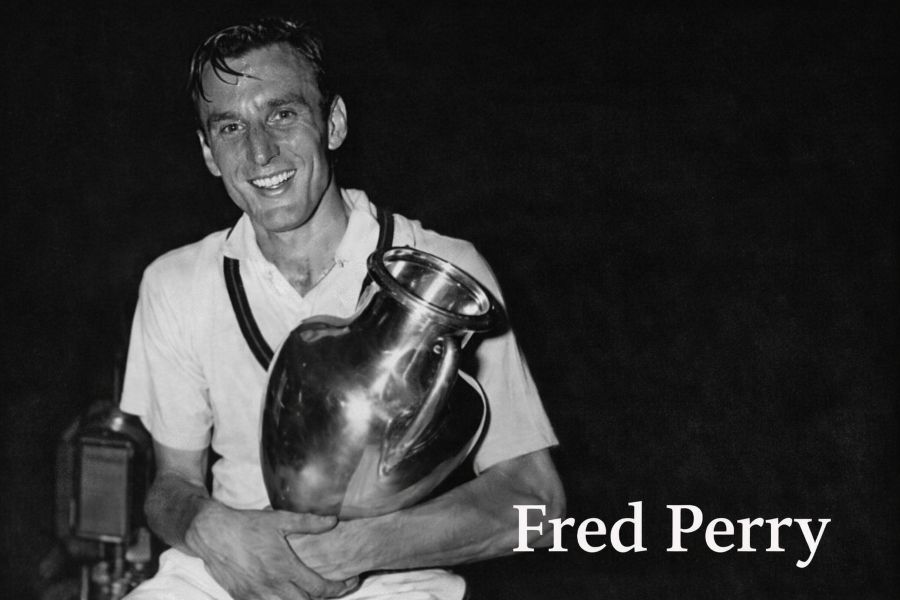
Table of Contents
ToggleIntroduction
Fred Perry is one of the most powerful and transformative figures in the history of global sport. Known for his relentless determination, fearless playing style, and refusal to conform to elite traditions, he reshaped British sport at a time when class barriers were deeply entrenched. His journey from modest beginnings to international dominance stands as a story of ambition, discipline, and resilience.
While many athletes are remembered for success in a single field, Fred Perry achieved greatness across multiple domains. He was a world champion British table tennis player, a tennis legend who rewrote record books, and later a businessman whose name evolved into a globally recognized fashion symbol. His life represents both triumph and struggle, respect and resistance, making his story deeply human and historically significant.
Quick Bio
| Field | Details |
|---|---|
| Real Name | Frederick Towersey Perry |
| Known As | Fred Perry |
| Date of Birth | 18 May 1909 |
| Birth Place | Portwood, Stockport, Cheshire, England |
| Nationality | British (later naturalised American) |
| Profession | Tennis Player, Table Tennis Player, Entrepreneur |
| Height | Approx. 6 feet |
| Active Years | 1929–1940s |
| Famous For | First male Career Grand Slam winner |
| Business Venture | Fred Perry clothing brand |
| Date of Death | 2 February 1995 |
| Place of Death | Melbourne, Australia |
Early Life and Family Background
Fred Perry was born into a working-class family in northern England. His father, Samuel Perry, worked as a cotton spinner before entering politics as a Member of Parliament for the Co-operative Party. This background placed Fred outside the traditional elite circles that dominated British tennis at the time.
The family moved several times during his childhood, eventually settling in London. These early years shaped Perry’s competitive mindset and self-reliance. Unlike many of his contemporaries, he did not come from wealth or privilege, which later contributed to both his hunger for success and the resistance he faced from tennis establishments.
Education and Sporting Foundations
Fred Perry attended Liscard Primary School, Wallasey Grammar School, and later Ealing Grammar School for Boys. His education coincided with a growing passion for sport, particularly racket games. He showed exceptional reflexes, coordination, and mental toughness from a young age.
Before tennis defined his identity, Perry excelled in table tennis. This early specialization sharpened his reaction speed and tactical thinking, skills that later became decisive advantages on the tennis court. His sporting foundation was built on discipline rather than luxury training facilities.
Rise as a British Table Tennis Player
In 1929, Fred Perry achieved international recognition by winning the World Table Tennis Championship in men’s singles. This achievement alone placed him among the elite athletes of his era and marked him as one of the finest British table tennis players in history.
The victory was not merely a title; it was a turning point. Perry realized that his athletic abilities could carry him further on the global stage. His success in table tennis laid the groundwork for his transition into lawn tennis, where his true legacy would unfold.
Transition to Tennis and Start of Career
Fred Perry began competitive lawn tennis in the late 1920s. Unlike many players who started young, he entered elite tennis relatively late, which made his rapid rise even more remarkable. His aggressive forehand, speed, and competitive fire quickly distinguished him from his peers.
Despite his talent, Perry faced resistance from the British tennis establishment, which viewed him as an outsider. This negative environment fueled his determination rather than weakening it. He played with intensity, confidence, and a refusal to be intimidated, qualities that soon translated into victories on the biggest stages.
Complete Tennis Career Overview
Fred Perry dominated international tennis during the 1930s. He became the first male player in history to win all four Grand Slam singles titles, achieving the Career Grand Slam by 1935. This milestone alone secures his place among the greatest players of all time.
He won Wimbledon three consecutive times and was instrumental in leading Great Britain to four straight Davis Cup victories. His playing style was fast, powerful, and mentally unyielding. While admired globally, he was sometimes criticized at home for his assertiveness, highlighting the tension between tradition and progress.
International Career Statistics
Fred Perry’s international career statistics reflect consistent excellence across multiple competitions and years.
| Category | Achievement |
|---|---|
| Grand Slam Singles Titles | 8 |
| Wimbledon Titles | 3 |
| Davis Cup Titles | 4 |
| Career Grand Slam | Completed |
| World No. 1 Ranking | Multiple years (1930s) |
| Combined Singles Titles | 60+ |
These numbers underscore not only success but sustained dominance in an era without modern training advantages.
Professional Career and Later Playing Years
In 1936, Fred Perry turned professional, a decision that barred him from amateur tournaments such as Wimbledon. While this move limited his public visibility in Britain, it allowed him to compete internationally and earn a living from his sport.
He played professional tours against leading players of the time, maintaining a high level of performance. This phase of his career demonstrated both independence and sacrifice, as professionalism came with reduced prestige during that era.
Business Venture and Fashion Legacy
In 1952, Fred Perry co-founded the Fred Perry clothing brand. What began as functional tennis wear evolved into a cultural symbol embraced by athletes, musicians, and youth movements across decades.
The brand became one of his most enduring achievements, extending his influence far beyond sport. While some controversies emerged around how the brand was adopted by various subcultures, its global recognition reflects the lasting power of his name and identity.
Later Life and Honors
After retiring from competitive sport, Perry lived primarily in the United States and worked as a tennis commentator and writer. His insights carried the authority of experience and firsthand excellence.
In 1975, he was inducted into the International Tennis Hall of Fame. Despite earlier resistance from British institutions, his contributions were ultimately recognized as foundational to British tennis history.
Conclusion
Fred Perry’s life was defined by courage, discipline, and defiance of limitations. He achieved extraordinary success while challenging social norms, and he paid a price for doing so. His story includes both admiration and opposition, triumph and struggle, making his legacy deeply authentic.
Today, Fred Perry is remembered not only as a champion athlete but as a symbol of perseverance and individuality. His impact on sport and culture continues to inspire new generations, proving that greatness often emerges from determination rather than privilege.
Frequently Asked Questions (FAQ)
Who was Fred Perry?
Fred Perry was a British sports icon known for excelling in both table tennis and tennis, and later for founding a globally recognized clothing brand.
Why is Fred Perry historically important?
He was the first male player to complete a Career Grand Slam in tennis and a world champion British table tennis player.
Did Fred Perry face challenges in his career?
Yes, he faced social and institutional resistance due to his working-class background, but he overcame it through performance and resilience.
What is Fred Perry’s legacy today?
His legacy spans elite sport, British tennis history, and global fashion culture through the Fred Perry brand.
Was Fred Perry successful outside sports?
Yes, his clothing brand became one of the most enduring fashion labels associated with sport, extending his influence worldwide.