Selling a home is rarely just a financial transaction. It is emotional, strategic, and often stressful. When a property sits on the market longer than expected, sellers are usually faced with two choices. Improve how the home presents. Or reduce the asking price. Both approaches aim to attract buyers. But the financial impact can be very different.
Many sellers assume lowering the price is the quickest solution. It feels simple and direct. However, presentation plays a powerful role in how buyers perceive value. Working with expert home staging London professionals can shift that perception before a single pound is cut from the asking price. The question is not just which option sells faster. It is which one ultimately saves more money.
Why Price Reductions Feel Like the Obvious Fix
A price reduction appears straightforward. If there is limited interest, sellers believe the property may be overpriced. Dropping the price seems like a practical response. Estate agents often suggest adjustments if viewings are low or feedback mentions value concerns. It can generate a short-term spike in attention from buyers monitoring new listings.
However, price reductions send signals to the market. Buyers notice when a property drops in price. They may wonder why it has not sold. Some assume there is an underlying issue. Instead of increasing confidence, repeated reductions can weaken negotiating power and invite lower offers.
There is also the financial reality. A £20,000 reduction is a direct loss. That money is gone. It affects equity, onward purchases, and overall financial planning. Sellers rarely recover that difference later in negotiations. Once the price moves down, it becomes the new benchmark.
The Financial Psychology of Buyers
Buyers do not assess value purely on square footage or postcode. They respond emotionally to how a home feels. Light, space, layout, and styling all influence perceived worth. A well-presented home can appear more spacious and better maintained, even if the structure is identical to a neighbouring property.
In competitive areas such as London or other high-demand towns, presentation often determines which property receives multiple offers. Two homes listed at similar prices can achieve very different results depending on how they are shown. Buyers are drawn to homes that look ready to move into. They factor in fewer improvements and less hassle.
When a property looks dated or cluttered, buyers mentally deduct renovation costs. Sometimes they overestimate those costs. A tired living room may trigger assumptions about the rest of the house. That perception alone can reduce offers by far more than the cost of staging.
What Home Staging Actually Involves
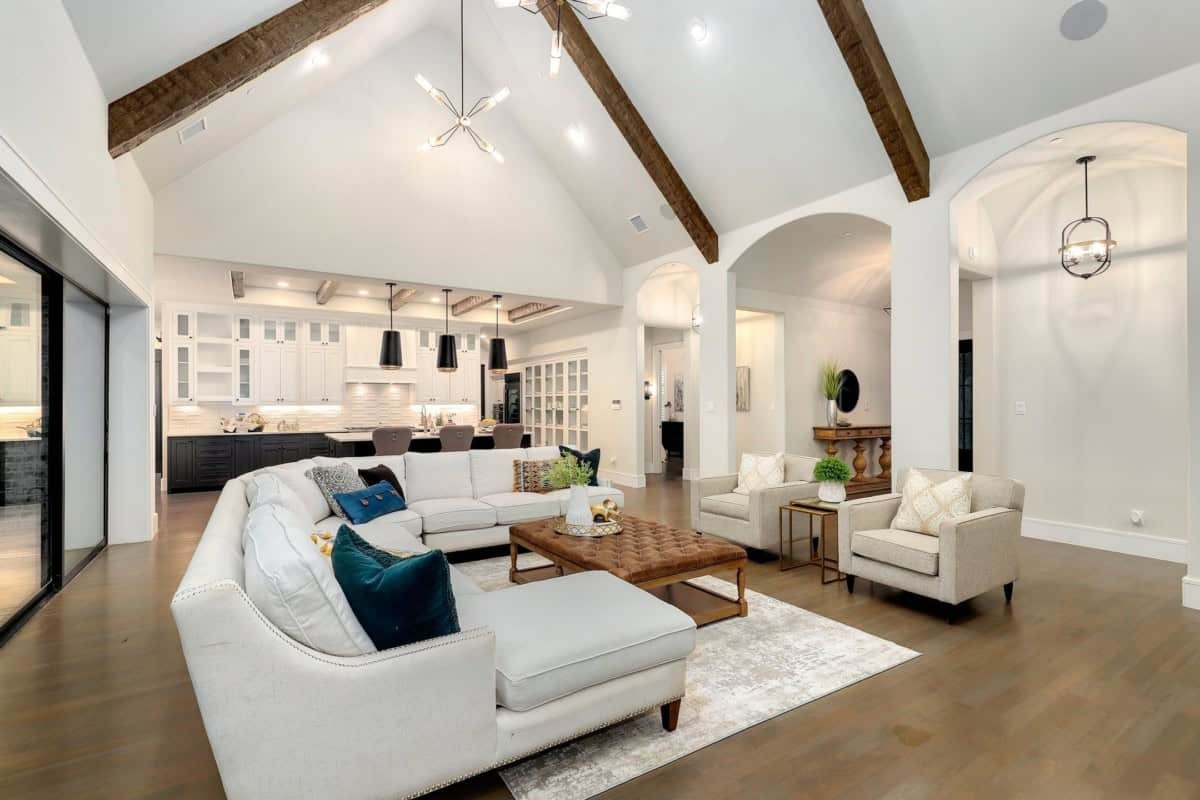
Home staging is not about masking flaws. It is about presenting a property in its strongest light. This can include decluttering, rearranging furniture, improving lighting, and adding carefully chosen furnishings where needed. The goal is to highlight space and flow rather than personal taste.
In vacant properties, staging often includes hiring furniture and accessories to give rooms scale and purpose. Empty homes can feel cold and smaller than they are. Professionally dressed spaces help buyers visualise everyday living. That emotional connection can translate into stronger offers.
Staging also supports marketing. High-quality photography is essential in today’s property market. Most buyers scroll through listings before booking viewings. A staged home photographs better. It stands out online. That initial digital impression can determine whether someone clicks or keeps scrolling.
Comparing the Costs: Staging vs Reducing the Price
The cost of staging varies depending on property size and level of work required. For an average London home, staging might range from a few hundred pounds for styling advice to several thousand for full furnishing of a vacant property. It is an upfront investment. But it is controlled and defined.
A price reduction, by contrast, often starts at five to ten per cent. On a £500,000 property, a five per cent reduction equals £25,000. That is significantly more than most staging budgets. Even a smaller reduction can outweigh the cost of presentation improvements.
Importantly, staging is not money lost. It is money invested to protect value. If staging helps secure the original asking price or close to it, the return on investment can be substantial. A £3,000 staging cost that prevents a £20,000 reduction is financially compelling.
Time on the Market and Its Hidden Costs
Time is another factor sellers must consider. The longer a property remains unsold, the more costs accumulate. Mortgage payments continue. Utility bills remain. Insurance and council tax still apply. For vacant homes, these expenses can feel heavier.
Properties that linger may also become stigmatised. Buyers and estate agents track listing dates. A home sitting for months may attract lower offers simply because it appears unpopular. Even if the condition is good, perception shifts.
Staging often shortens time on the market. By attracting more viewings early on, it increases the chance of competitive interest. Quick sales reduce carrying costs and emotional strain. A faster sale at a strong price can outperform a delayed sale after multiple reductions.
Negotiation Power and Buyer Behaviour
When a property is well presented and priced correctly from the outset, sellers maintain stronger negotiating power. Buyers feel they are competing with others. That sense of competition can limit aggressive negotiations and encourage full or near-full offers.
Once a price has been reduced, the tone changes. Buyers may see an opportunity to negotiate further. They might submit offers below the new asking price, expecting room for compromise. The initial reduction becomes a starting point rather than a final figure.
Staging supports confidence. It shows that the seller has invested care and attention. Buyers perceive value more clearly. This often results in cleaner offers with fewer conditions attached. In chains, stronger offers can reduce the risk of collapse later.
Market Conditions Matter
The balance between staging and price reduction can depend on local market conditions. In a fast-moving seller’s market, presentation may be enough to generate strong demand. In a slower market, correct pricing remains critical. Overpricing cannot be fixed by styling alone.
Estate agents typically recommend a realistic valuation based on recent comparable sales. If a property is significantly overpriced, even perfect staging may not compensate. In those cases, adjusting the price to align with market evidence is sensible.
However, many properties are not drastically overpriced. They simply fail to stand out. In these situations, presentation can be the differentiator. Instead of chasing the market downward, sellers can reposition the home through staging and refreshed marketing.
Emotional Impact on Sellers
Reducing the price can feel like a setback. Sellers often anchor emotionally to a figure they believe their home is worth. Dropping below that expectation can create frustration and anxiety, especially if an onward purchase depends on a certain sale value.
Staging, on the other hand, is proactive. It allows sellers to take control. Rather than reacting to limited interest, they are actively improving appeal. This shift in mindset can reduce stress and increase confidence during viewings.
A well-prepared home also tends to photograph better and receive more positive feedback. Hearing encouraging comments from viewers reinforces belief in the asking price. That confidence can help sellers hold firm during negotiations.
When Price Reduction May Be Necessary
There are situations where a price reduction is unavoidable. If market conditions change rapidly, or if comparable properties are selling at lower levels, holding an unrealistic price can prolong the process unnecessarily. In such cases, a strategic and timely adjustment is better than multiple small reductions.
The key is timing. A single, well-considered reduction early on can reset interest. Waiting too long and reducing incrementally may cause more damage. Estate agents often advise reviewing performance after the first few weeks of marketing.
Even when a reduction is required, staging can still add value. Combining a refreshed presentation with a revised price can create renewed momentum. Buyers who previously overlooked the property may take a second look.
Long-Term Financial Perspective
From a purely financial standpoint, staging often represents the lower-risk strategy. It requires a smaller upfront outlay and aims to preserve the full asking price. The potential upside significantly outweighs the cost in many cases.
Price reductions deliver certainty in one sense. They immediately lower the threshold for buyers. But they permanently reduce proceeds. Over time, that difference can affect deposit sizes for the next purchase, mortgage terms, or overall financial security.
Every property and situation is different. Sellers should consider local demand, condition, and pricing evidence. But in many scenarios, investing in presentation first makes financial sense. It protects value before surrendering it.
Final Thoughts: Protect Value Before Cutting It
Selling a home in today’s property market requires strategy. Simply lowering the price may solve a visibility problem, but it can also erode hard-earned equity. Presentation, on the other hand, enhances perceived value and strengthens buyer appeal.
Home staging is not about illusion. It is about clarity. It allows buyers to see the home at its best and imagine themselves living there. When that connection happens, offers often reflect it.
Before making a substantial reduction, sellers should consider whether improving presentation could achieve the same goal at a fraction of the cost. In many cases, staging saves more money not because it avoids change, but because it protects value where it matters most.