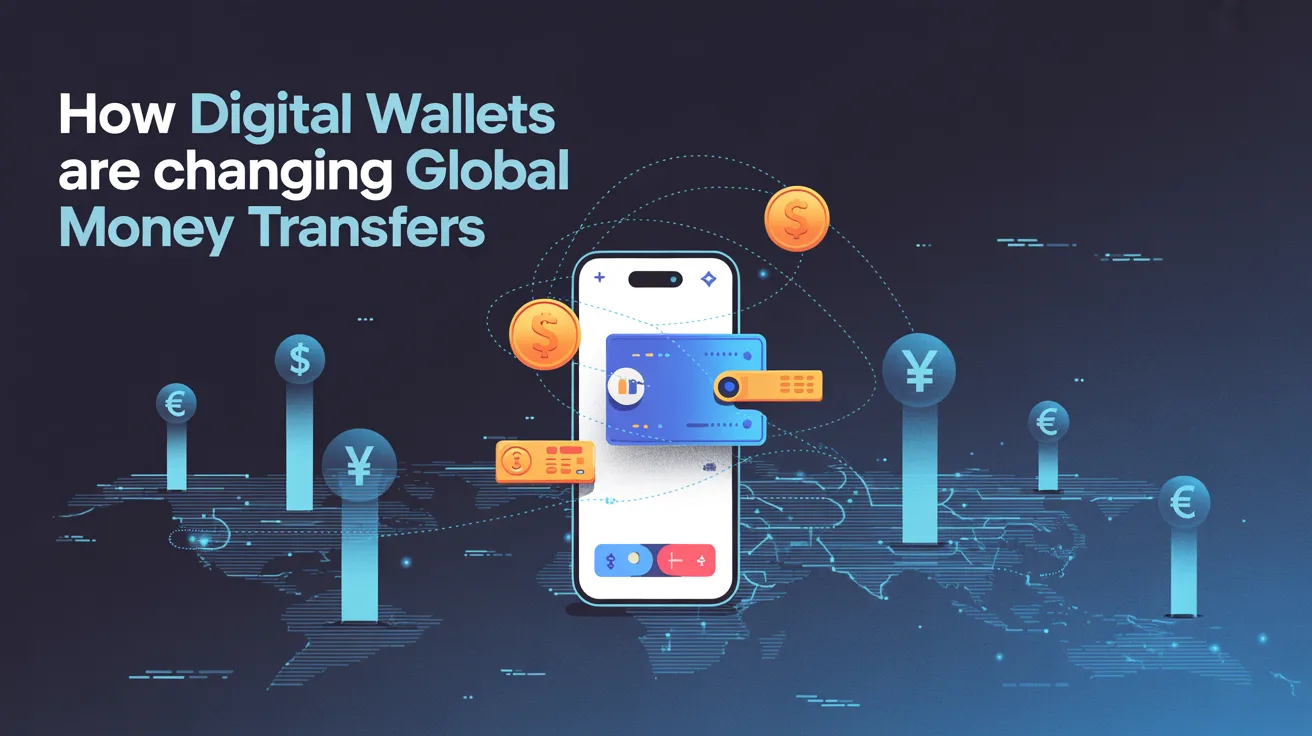
In today’s hyperconnected world, sending money across borders has become a routine necessity for millions of expats, international students, travelers, and global professionals. Traditional banking methods, however, often involve high fees, delayed processing, and cumbersome paperwork. This is where digital wallets are redefining the landscape of international money transfers. These innovative tools are enabling fast, secure, and cost-efficient transactions, eliminating many of the frustrations associated with conventional banking.
The rise of fintech solutions has made it possible for users to send funds directly from their smartphones without worrying about cumbersome procedures or exorbitant fees. Moreover, digital wallets provide enhanced transparency, real-time tracking, and user-friendly interfaces that appeal to both seasoned global professionals and casual travelers. As more people seek seamless and efficient ways to manage cross-border payments, the adoption of digital wallets is accelerating at an unprecedented pace.
The Convenience of Instant International Transfers
One of the primary advantages of digital wallets is speed. Unlike traditional wire transfers that may take several business days, digital wallets enable near-instant transfers, even across different currencies. This immediacy is particularly beneficial for expatriates who need to support family members in other countries or freelancers managing multiple international clients.
Digital wallets also remove the need for visiting physical branches or waiting in line for approvals. Users can initiate a transfer from their mobile device at any time, with transaction confirmations delivered almost instantly. For frequent travelers, this convenience eliminates the stress of carrying large sums of cash or dealing with multiple currency exchanges. Overall, the seamless, real-time nature of these transactions is reshaping expectations for global money transfers.
Lower Fees and Smarter Currency Exchange
Traditional banks often impose high service fees and offer poor exchange rates, significantly reducing the value of transferred funds. Digital wallets are changing this paradigm by providing transparent fee structures and competitive currency conversion rates. Many platforms allow users to compare rates, track currency fluctuations, and choose optimal times for transfers, ensuring better financial outcomes.
For instance, global professionals managing payments across several countries can save considerable amounts each month by avoiding hidden bank fees. Additionally, some wallets integrate multi-currency accounts, allowing users to hold and convert funds at favorable rates without relying on third-party exchanges. This efficiency not only improves convenience but also provides practical financial benefits for anyone dealing with international payments.
Enhanced Security and Fraud Protection
Security remains a top concern for anyone transferring money internationally. Digital wallets invest heavily in encryption, multi-factor authentication, and AI-driven fraud detection to safeguard user funds. Unlike cash or traditional bank transfers, which may be vulnerable to theft or errors, digital wallets provide real-time monitoring and alerts for suspicious activity.
Furthermore, many platforms are regulated by financial authorities and adhere to strict compliance standards, ensuring that both personal and transactional data are protected. For expats and global travelers, this level of security builds trust and reduces the anxiety associated with transferring money across borders. The integration of robust security features makes digital wallets a preferred alternative to conventional money transfer methods.
Fintech Innovations Replacing Traditional Exchanges
The growth of fintech has brought a wave of innovation to international payments. Modern digital wallets are no longer limited to simple transfers—they now offer bill payments, peer-to-peer transfers, and even virtual debit cards for instant spending abroad. By streamlining multiple financial activities into a single platform, these tools are gradually replacing the need for traditional money exchange services.
For businesses operating globally, digital wallets enable faster payroll, vendor payments, and cross-border invoicing without relying on slow banking networks. The integration of AI and predictive analytics also allows users to anticipate costs, optimize exchange rates, and make informed financial decisions. As fintech continues to evolve, the role of digital wallets in global financial operations is set to expand even further.
Choosing the Right Digital Wallet
Selecting a reliable digital wallet is crucial for maximizing convenience and security. Look for platforms that are widely accepted, compliant with international financial regulations, and transparent about fees. Features like multi-currency support, instant notifications, and customer support across time zones can make a significant difference in daily usability.
For example, e-wallet app solutions combine user-friendly interfaces with high-security standards, making them ideal for expatriates, travelers, and remote professionals. By investing in a reputable digital wallet, users can enjoy seamless transactions, minimal fees, and peace of mind, knowing their funds are secure.
Conclusion
Digital wallets are transforming the way the world manages money transfers. They provide speed, security, and cost efficiency that traditional banks cannot match, making them essential tools for modern global professionals, travelers, and expats. By leveraging fintech innovations, users can reduce fees, manage multiple currencies, and complete transactions in real time, all from their mobile devices.
As international financial networks continue to evolve, digital wallets are set to become the standard for cross-border payments. Embracing these solutions not only simplifies global money management but also ensures long-term value and convenience in an increasingly interconnected world. The future of money transfers is digital, and those who adopt these tools today will be best positioned for a seamless, secure, and efficient financial experience.