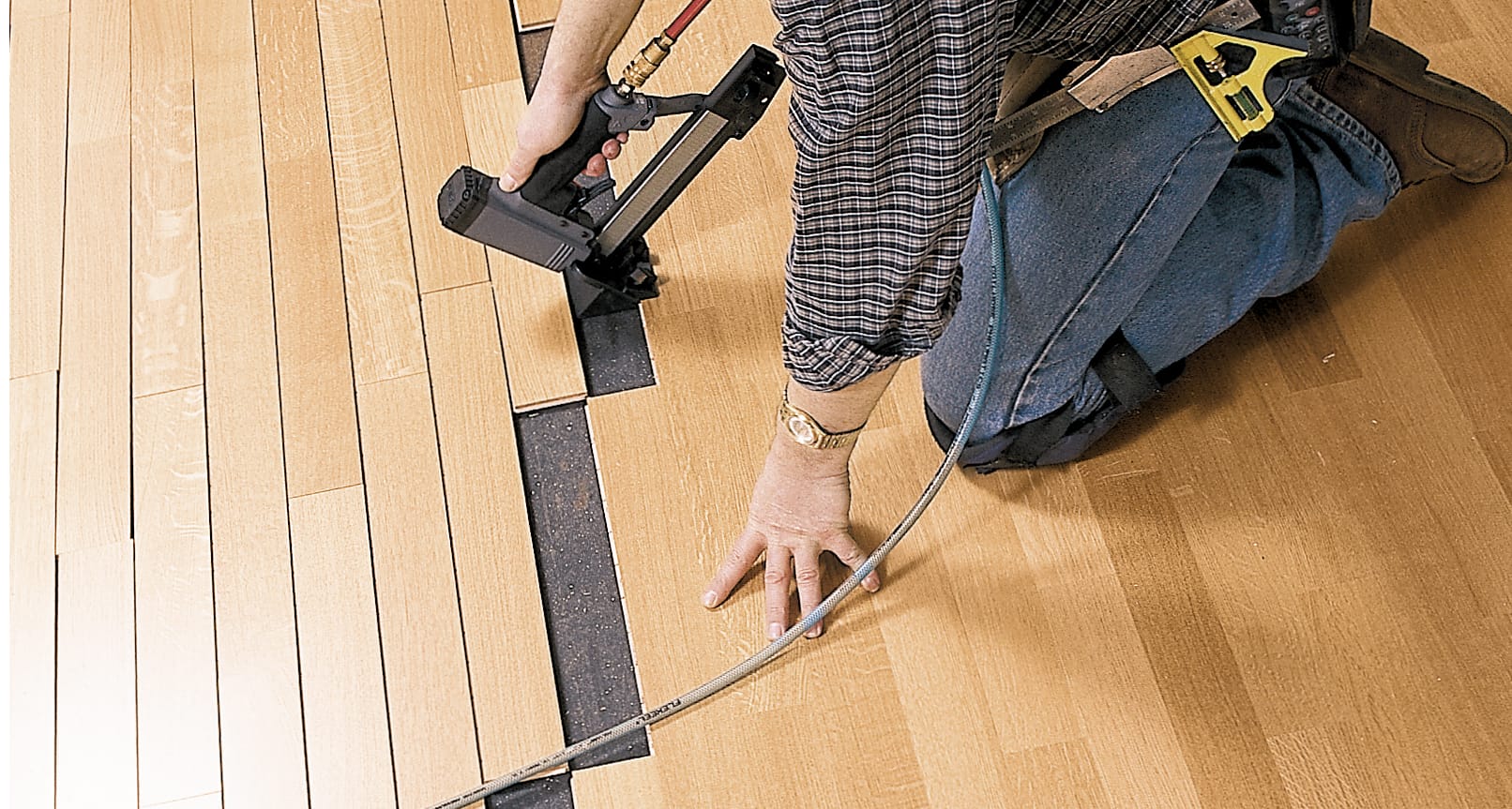
Hardwood flooring has long been a symbol of warmth, comfort, and timeless beauty in any home. Its rich texture, natural grain, and durability make it a favorite among homeowners looking to elevate their living spaces. However, as stunning as wood floors can be, they are also among the most sensitive to moisture. Water, whether from a slow plumbing leak or a sudden burst pipe, can warp, stain, or permanently damage hardwood. Preventing that damage starts long before installation. It begins with planning, proper materials, and an understanding of how plumbing and moisture interact with wood flooring. This guide explores how to install hardwood floors wisely, reduce moisture risks, and what to do if water problems arise. For those seeking professional insight, you can also explore techniques used by flooring specialists to better understand how the pros achieve long-lasting results.
Start with Smart Planning
Before you even think about laying down your first plank, take the time to evaluate your plumbing and the general moisture conditions in your home. A proper installation plan is not just about aesthetic choices like color or finish; it’s also about ensuring that your flooring will remain stable for years to come.
Moisture and wood are not natural allies. Even small changes in humidity can cause boards to expand or contract. This is why professional installers emphasize the importance of controlling indoor conditions before, during, and after installation. You should also consider where plumbing lines and fixtures are located beneath your floors. A slow drip under a dishwasher, refrigerator, or sink might go unnoticed until your floor begins to buckle or discolor. By having a plumber inspect connections and water pressure ahead of time, you can prevent most of these issues before they start. For emergency or same-day plumbing support, you can check the http://sandiegoemergencyplumbing.com website to understand what quick professional assistance can look like.
Control Moisture Before Installation
Once your plumbing and layout are in order, the next step is managing moisture levels in the home. Wood is a living material, even after it’s been milled into planks. It absorbs and releases moisture depending on the environment. If you install flooring when humidity levels are too high, the boards may later shrink and leave gaps. If installed when too dry, they might swell once moisture returns.
To combat this, flooring professionals recommend acclimating your hardwood before installation. This simply means storing the wood in the room where it will be installed for several days, allowing it to adjust to local temperature and humidity. Maintaining a steady indoor humidity level between 30% and 50% can dramatically reduce post-installation movement.
Using vapor barriers, underlayments, or moisture membranes is another essential step. These materials act as a protective layer between your flooring and the subfloor, helping block any moisture that might rise from below. Basements, kitchens, and bathrooms are particularly sensitive zones, so extra protection is worth the investment.
Selecting the Right Materials
Not all hardwoods are created equal when it comes to moisture tolerance. Solid hardwood has a classic appeal but tends to expand and contract more noticeably than engineered wood. Engineered flooring, made from multiple layers bonded together, resists warping and humidity changes much better. It’s a smart option for homes in areas with frequent temperature or humidity fluctuations.
The type of finish you choose also plays a major role in moisture protection. Oil-based polyurethane provides a durable, water-resistant surface, while modern water-based finishes dry faster and produce fewer fumes. Whichever you choose, ensure every edge and seam is properly sealed. Even small unprotected gaps can allow moisture to creep in, leading to hidden damage beneath the surface.
Color and wood type are mostly aesthetic choices, but grain density and hardness can influence performance. Harder woods like oak, maple, or hickory are less porous and stand up better to small spills and high-traffic areas.
Moisture Management After Installation
Even after a flawless installation, ongoing care is critical. The best hardwood floors can fail if maintenance is neglected. Everyday habits can help you avoid costly repairs later. Always wipe up spills immediately, no matter how minor they seem. Standing water, even for a short period, can darken or warp the boards.
Humidity control remains vital after installation. Consider using a humidifier during dry winter months and a dehumidifier during humid summers. Consistent indoor conditions prevent expansion and contraction that can loosen planks or cause unsightly gaps. Regularly inspect plumbing fixtures, especially those near wood surfaces. Catching a slow leak under a sink or toilet early can save you from extensive floor damage later.
For homeowners with pets, wiping their paws after rainy walks can make a difference, too. Tracked-in moisture often seeps into cracks, creating gradual discoloration over time.
Dealing with Water Damage Quickly
Despite your best efforts, accidents happen. A broken pipe, leaking appliance, or flooding event can turn a beautiful floor into a soggy mess. If water damage occurs, fast action is essential. Shut off the main water supply immediately to prevent further flooding. Use towels, fans, and dehumidifiers to start drying the area as soon as possible. Avoid using heat sources like hairdryers or heaters directly on the floor, as uneven drying can worsen the warping.
After removing surface water, inspect the extent of the damage. If boards are cupping or separating, you may need professional help. In some cases, only the affected planks need to be replaced. In others, sanding and refinishing the entire floor might be necessary to achieve a uniform look again. Acting within the first 24 to 48 hours greatly improves your chances of saving the floor.
Professional Support and Preventive Wisdom
Professionals bring specialized tools and knowledge that can make a world of difference when dealing with hardwood flooring and plumbing issues. Moisture meters, thermal imaging cameras, and precision repair methods allow experts to diagnose and fix problems quickly. They can also apply advanced sealants and finishes that enhance your floor’s moisture resistance.
Preventive maintenance is just as important as professional intervention. Schedule periodic plumbing inspections, especially in older homes. Modern leak-detection systems can automatically shut off water when unusual flow is detected, protecting your investment before disaster strikes.
Final Thoughts
Installing hardwood floors is an exciting way to transform your home, but it requires careful planning and awareness. Water and wood will always have a delicate relationship, and understanding how to manage that relationship is key to preserving the beauty and longevity of your flooring. With proper preparation, moisture control, and regular maintenance, your hardwood floors can remain stunning and strong for decades.
Whether you are a new homeowner or planning a renovation, keep in mind that moisture prevention and plumbing awareness go hand in hand with the success of your hardwood. A little foresight, combined with the expertise of qualified professionals, ensures that your investment stays as elegant as the day it was installed.