Private label packaging development – how to launch your own brand faster

It’s certain: creating your own brand has never been as accessible as it is today. And this is happening for many reasons – e-commerce is growing, customers are open to new brands and contract manufacturing allows you to enter the market without building a factory from scratch. However, we can’t forget one crucial element of success – and that’s… packaging! It’s what sells and influences purchasing decisions.
Well-planned private label packaging development achieves so much: it shortens product launch time, optimizes costs and creates differentiation. Don’t go about it blindly! So how do you do it wisely and where can you start building success? We’ll give you some tips.
- Why does choosing the right manufacturing partner accelerate a brand’s launch?
- How can you design packaging that sells and meets standards?
- What technologies and materials help you build a competitive advantage?
We’d like to take a closer look at how collaborating with an experienced packaging manufacturer can significantly shorten the implementation process. Furthermore, we’ll advise you on how to design packaging in line with market requirements and what innovative solutions (from recycled materials to multilayer technologies) support the rapid and effective launch of a new brand. Benefit from our expert knowledge!
Why does choosing the right manufacturing partner accelerate a brand’s launch?
When considering what determines the success of a private label, it’s important to acknowledge that it largely depends on the technological infrastructure. Therefore – it’s good to have an experienced sustainable plastic packaging supplier on your side who, of course, produces packaging but is also happy to advise on materials, regulatory compliance and cost optimization. If you think about this upfront, it will save you a huge amount of time in the long run (even at the planning stage).
Getting down to specifics (because we also value your time): Working with a company offering comprehensive packaging design and prototyping services, such as Rosinski Packaging – plastic packaging manufacturer specifically enables rapid concept testing – from 3D visualization to physical prototypes. This allows you to verify numerous aspects – ergonomics, functionality and even aesthetics – before mass production begins. If you want to know more about PCR plastics for packaging manufacturing, check.
Access to a wide range of offerings, as you can expect from reputable suppliers, also allows you to choose ready-made solutions or modify existing forms, instead of designing everything from scratch. Plus, if the partner operates as a custom HDPE bottle manufacturer – it’s possible to create a unique bottle tailored to the brand’s character while maintaining a short lead time. It’s simply worth it and opens up new opportunities in the long term.
How can you design packaging that sells and meets standards?
Since packaging is not only about aesthetics, but also about safety, functionality and regulatory compliance, a broad range of factors must be considered. This is especially true in such unique industries as household chemicals and cosmetics, where proper closures are crucial – for example, injection molded caps and closures that guarantee tightness and durability. All of this matters – it can even impact your market share. Taking this even further – for products requiring additional protection, consider CRC closures (child resistant) packaging which are often required to meet legal standards in many countries.
As if the challenges weren’t enough, material selection is equally crucial. Here’s a tip – more and more brands are turning to eco-friendly solutions, such as rHDPE bottles for household chemicals or rPET bottles for personal care products. This stems from the fact that using recycled materials strengthens the image of a responsible brand and responds to growing consumer expectations. Here, too, having a good supplier on your side is a win-win.
What technologies and materials help you build a competitive advantage?
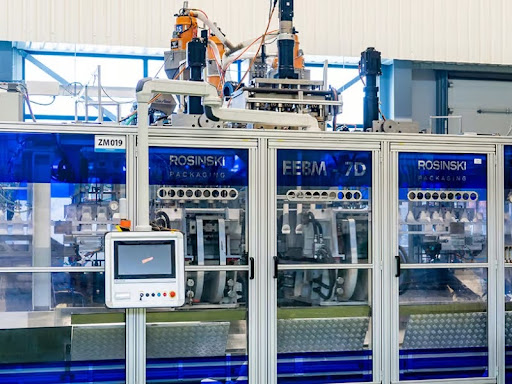
And finally, the icing on the cake of our considerations. Above all, remember that bringing a product to market quickly doesn’t have to mean compromising quality. A perfect example of this is modern COEX multilayer packaging solutions, which enable the creation of multilayer packaging that improves the product’s barrier properties and chemical resistance. This is just one example. Most importantly, remember that the use of recycled materials, modern injection molding technologies and advanced manufacturing processes allows private label packaging development to be both rapid and sustainable. You go for success, but not for shortcuts.